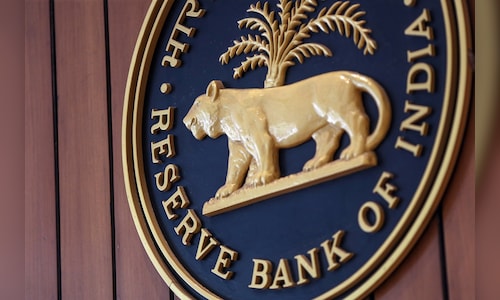
The Reserve Bank of India has proposed this adjustment, which the Finance Ministry is actively considering, according to the sources who requested anonymity due to the confidential nature of the talks. The discussions on reducing the tax burden have gained momentum as authorities strive to mitigate the depreciation of the rupee, they mentioned.
The Finance Ministry and the Reserve Bank of India did not reply to inquiries for comments.
Policymakers have so far implemented protective measures to stabilize the currency’s decline, including restricting the size of trading positions. Attracting capital inflows has become increasingly crucial to finance a rising import bill as the war in Iran escalates oil prices.
The rupee has been the worst-performing currency in Asia in 2026, plummeting over 6% against the dollar.
Foreign investors must pay both short-term and long-term capital gains taxes depending on their home jurisdiction. India has treaties with numerous countries that allow certain investors to benefit from reduced tax rates.
Interest income derived from coupon payments faces a tax of approximately 20%. Previously, foreign investors benefited from a mere 5% tax on interest income, a concession that was removed in 2023.
Foreign investors have expressed concerns regarding the high tax burden they encounter in India compared to other emerging markets like Indonesia, Malaysia, Mexico, and South Africa. Foreign ownership makes up only 3% of the $1.3 trillion market, despite Indian government bonds being included in widely tracked indices by JPMorgan Chase & Co. and FTSE Russell.
In the long term, aligning tax policies with global practices is considered vital to supporting Prime Minister Narendra Modi’s vision of transforming India into a developed nation by 2047.