With traffic volumes projected to increase, particularly with the upcoming Navi Mumbai International Airport, authorities are already planning for the next phase: expanding the expressway from six to ten lanes.
All about the Missing Link
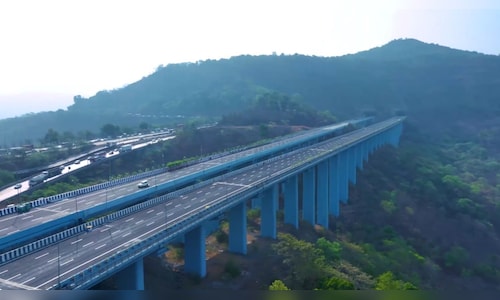
The 13.3-km Missing Link connects Khopoli to Kusgaon, enabling vehicles to circumvent the congested ghat area of Lonavala–Khandala, according to The Indian Express. This portion currently processes around 1.5 lakh vehicles daily and frequently experiences heavy traffic and delays. The new eight-lane bypass is anticipated to cut travel time by nearly 30 minutes and reduce the distance by approximately six kilometers.
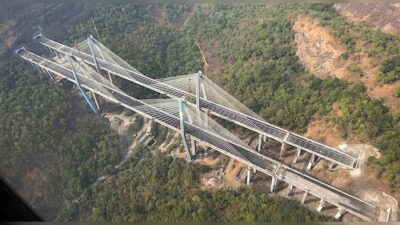
The project includes two twin tunnels, measuring 1.68 km and 8.87 km, along with a 650-metre cable-stayed bridge that rises 182 metres in height. Officials indicate that this link is vital for eliminating a long-standing bottleneck and enhancing traffic flow along the corridor.
In addition, MSRDC plans to widen the existing six-lane expressway to ten lanes, especially with the full operation of the Navi Mumbai International Airport on the horizon. The new Missing Link already consists of eight lanes, creating a slight disparity with the older segment.
A proposal has been developed to acquire approximately 100 hectares of land for this expansion, with the project estimated to cost over ₹ 5,000 crore. Work is expected to commence post-monsoon and may take up to five years to complete. Officials emphasize the goal of ensuring smoother traffic movement along the entire route.
How the expressway evolved
Prior to the expressway’s construction, National Highway 4 connected Mumbai and Pune via a 192-km two-lane road through hilly terrain, resulting in lengthy travel durations. An increase in traffic, from 60,755 passenger car units in 1997 to projections of one lakh by 2004, necessitated a high-speed corridor.
The 94.6-km expressway was completed in a mere 27 months and opened in 2000. It features 17 viaducts, 26 underpasses, two railway overbridges, and a 5.7-km tunnel, with over 1,000 hectares of land acquired for its development.
Despite these improvements, traffic merging near the Khalapur toll plaza and the constricted area near Khandala continue to cause congestion. Now, with the Missing Link about to open, these challenges are expected to be mitigated.