Media reports from the US suggest that President Donald Trump is open to resuming direct negotiations if Iran is prepared to meet US expectations. Speaking with reporters on Monday, he stated, “We’ve been called by the other side” and “they want to work a deal.”
Sources cited by the Associated Press indicate that Washington and Tehran are looking at Islamabad and Geneva as potential locations for the upcoming discussions.
Officials with knowledge of the situation mentioned that talks are still in progress. A diplomat from a mediating nation noted that both sides have tentatively agreed to reconvene, but essential details such as timing, location, and participation levels have yet to be finalized. A US official indicated that the discussions could occur on Thursday.
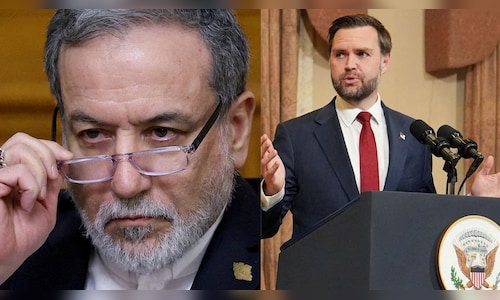
US Vice President JD Vance, who headed the American team in Islamabad, characterized the results of the previous talks as mixed. “I wouldn’t just say that things went wrong. I also think things went right. We made a lot of progress,” he told Fox News.
He added, “They moved in our direction, which is why I think we would say that we had some good signs, but they didn’t move far enough.”
On Sunday, the Islamabad discussions spanned 21 hours but concluded without a deal. The US delegation, led by Vance, engaged with the Iranian team headed by Mohammad Bagher Ghalibaf.
The dialogues centered on maintaining the ceasefire, which remains uncertain amid ongoing regional tensions, including Israeli actions in Southern Lebanon.
Central topics of discussion encompassed the Strait of Hormuz, a critical global energy passage that Iran has largely blocked and which the US is committed to reopening. Iran’s nuclear program and international sanctions also continue to be significant points of contention.