In an interview with CNBC-TV18 prior to the critical talks, Bisaria emphasized that both parties are approaching the negotiations with “maximalist positions,” leaving little room for compromise. “Both Iran and the US are maintaining maximalist stances,” he remarked, expressing that the situation is “very difficult” and revealing his “pessimism, though I wish to be proven wrong”.
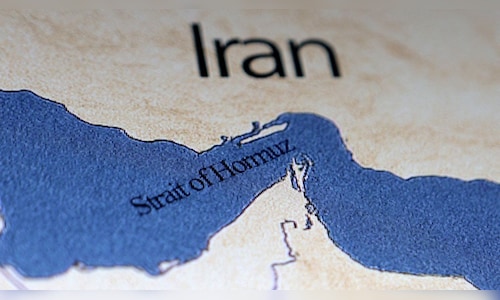
At the core of the contention is the Strait of Hormuz, a vital chokepoint for global energy supplies. Bisaria pointed out that Iran views its control over the strait as a strategic advantage, while the US is likely to advocate for unfettered access. “Iran now possesses a significant deterrent lever… and they’re unlikely to relinquish it,” he stated, citing it as a potential obstacle to any agreement.
The negotiations take place while Islamabad is on high alert, with extensive security measures established in anticipation of senior officials’ arrivals from both nations. The US delegation will be headed by Vice President JD Vance, accompanied by Steve Witkoff and Jared Kushner. The Iranian team is expected to feature high-ranking political and potentially military members, though specifics are unclear.
Bisaria noted that these negotiations are occurring amid elevated tensions, with both sides indicating a willingness to escalate. Citing statements from Donald Trump, he mentioned that the US appears “locked and loaded, prepared for conflict in the absence of a deal,” with Iran delivering similar warnings.
In spite of escalating violence in Lebanon, Bisaria believes the US has endeavored to contain that issue so it doesn’t hinder the discussions. “The Americans are trying to convey to the Iranians that the Israel-Lebanon conflict has its own dynamics,” he explained. While distinctions exist between US and Israeli strategic aims, he suggested this is “unlikely to cause a breakdown in negotiations.”
Violence in Lebanon has escalated dramatically, with over 300 fatalities reported in recent strikes, marking one of the deadliest stretches since the civil war. Israeli Prime Minister Benjamin Netanyahu has expressed a willingness to engage in talks, even as military actions persist.
Regarding Pakistan’s involvement, Bisaria characterized it as a conduit rather than a traditional mediator. “The US regards Pakistan as a manageable channel… a reliable conduit for conveying messages,” he said, referencing both historical context and geographical significance.

Also Read | Iran’s Lebanon demand likely negotiation tactic, not deal breaker for US talks: Ex-envoy
He also pointed to Iran’s profound distrust, influenced by previous unsuccessful negotiations. Earlier talks mediated by regional players fell apart amid ongoing conflicts, prompting Tehran to be wary of current discussions.
Ultimately, Bisaria stated that the interpretation of success varies significantly for both parties. For Iran, “survival is success,” whereas the US seeks a “credible declaration of victory.” The disparity between these goals, coupled with disputes over the Strait of Hormuz, highlights the fragile circumstances surrounding the upcoming negotiations in Islamabad.