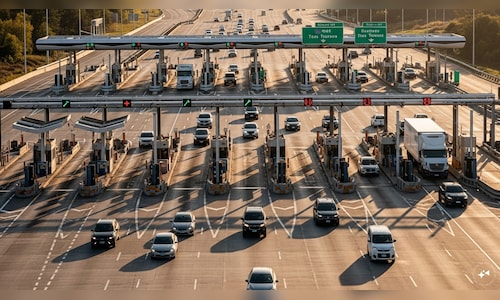
Identification required at toll plazas
All drivers must present a valid government-issued ID—such as Aadhaar, a driver’s license, or a passport—at tolls and highway checkpoints. Failure to provide this ID may result in fines or refusal of entry. Authorities indicate that this initiative is aimed at enhancing accountability and reducing illegal transport activities.
Only cashless toll payments
Cash will no longer be accepted at toll plazas. The use of FASTag, UPI, debit cards, or other digital payment methods is now mandatory. Vehicles lacking FASTag can still make digital payments but might incur higher toll fees or penalties under Rule 14 of the National Highways Fee Rules. This change is intended to minimize congestion, accelerate traffic flow, and prevent revenue losses.
Spot vehicle inspections
Highway patrols will perform random inspections of insurance, vehicle registration, and pollution certificates. The government anticipates that this will ensure only safe and compliant vehicles are on the highways, enhancing safety and lowering accident risks.
Improved surveillance
Toll plazas and important junctions will be equipped with CCTV cameras and automated number plate recognition (ANPR) systems. These technologies, integrated with digital payment methods, will monitor vehicle movements, identify violations, and provide valuable data for planning and enforcement.