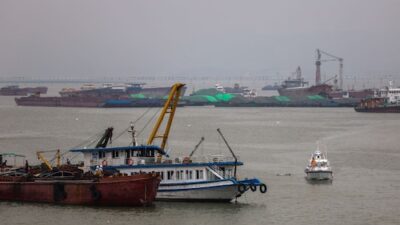
India boasts numerous stunning and historical sites, yet not all are accessible to the public. Certain regions are off-limits due to security, safety, tribal rights, or environmental concerns. These restrictions are enforced for both visitors and locals, barring access for anyone without proper authorization. Here are 10 locations in India that are entirely prohibited for public entry.
2 Min Read

 1 / 10
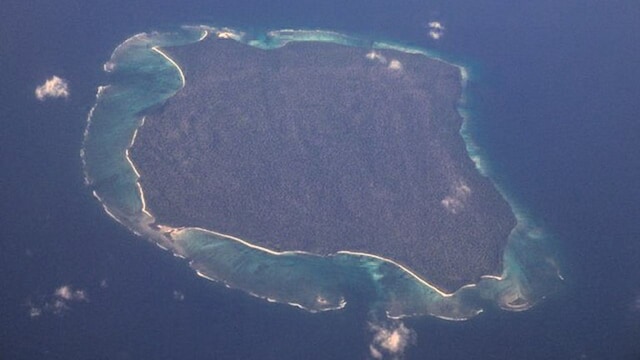
1. North Sentinel Island, Andaman and Nicobar | This island hosts the Sentinelese tribe, recognized as one of the globe’s most secluded communities. Entrance is entirely forbidden to safeguard them from external contact and diseases. (Image: Wikimedia Commons)
 2 / 10
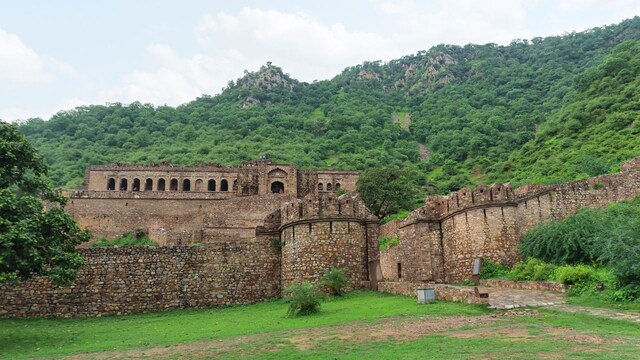
2. Bhangarh Fort at Night, Rajasthan | Bhangarh Fort permits daytime access, but entry after dusk is strictly forbidden. Warning boards have been placed by the Archaeological Survey of India citing safety issues. (Image: Canva)
 3 / 10
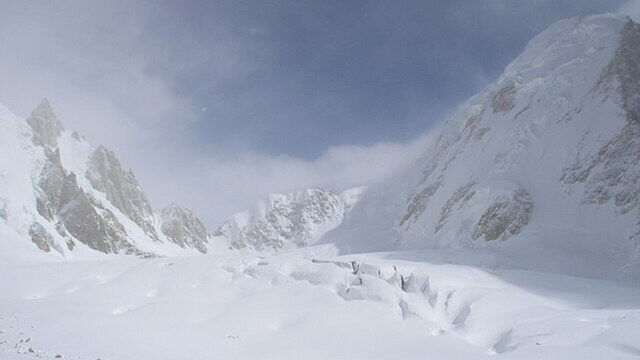
3. Siachen Glacier, Ladakh | Siachen Glacier ranks among the highest and coldest battlegrounds globally. Access is limited to the Indian Army, banning civilians due to harsh weather and security risks. (Image: Wikimedia Commons)
 4 / 10
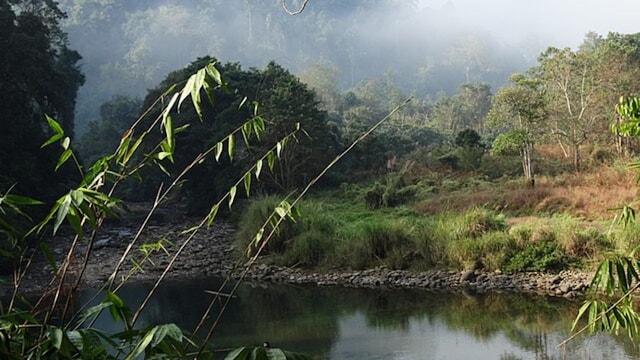
4. Barail Wildlife Sanctuary Core Zone, Assam | Although certain buffer areas might permit limited access, the core zone of Barail Wildlife Sanctuary is restricted to safeguard endangered wildlife and delicate forest ecosystems. (Image: Wikimedia Commons)
 5 / 10
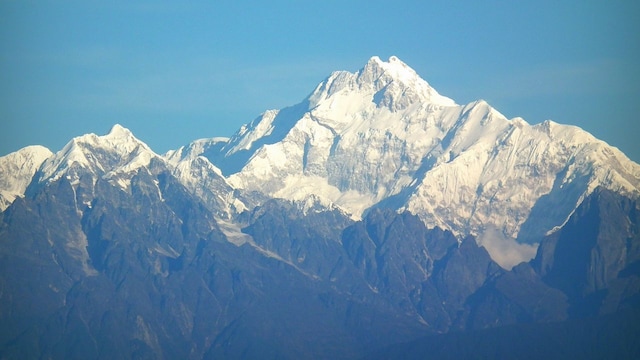
5. Mount Kanchenjunga Peak Area, Sikkim | The upper portions of Mount Kanchenjunga are restricted from climbers. Locals regard the peak as sacred, and the prohibition also aids in preserving the delicate mountain environment. (Image: Canva)
 6 / 10
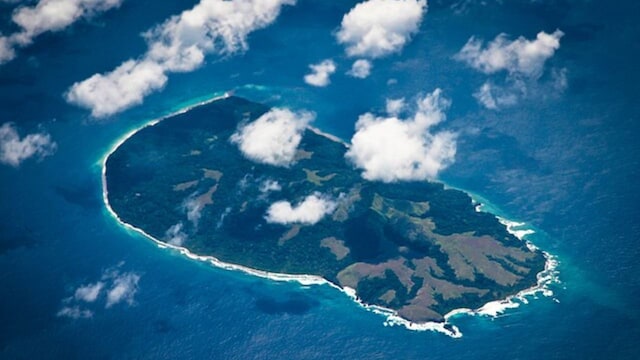
6. Nicobar Islands (Several Areas) | Various regions within the Nicobar Islands are off-limits to tourists. Special permits are required for entry due to tribal protection laws and strategic considerations. (Image: Wikimedia Commons)
 7 / 10
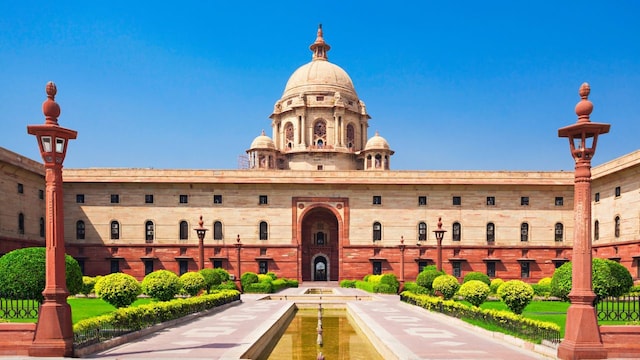
7. Rashtrapati Bhavan Restricted Sections, Delhi | While some areas of Rashtrapati Bhavan are open to guests, numerous sections remain strictly off-limits due to security regulations. (Image: Canva)
 8 / 10
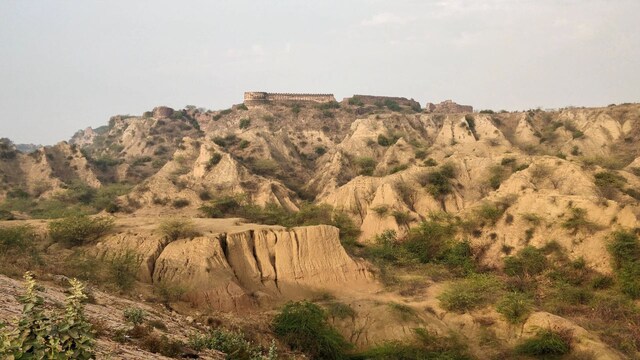
8. Chambal River Ravines, MP–UP Border | Certain ravine regions near the Chambal River are restricted due to safety hazards, rugged terrain, and wildlife conservation efforts. (Image: Canva)
 9 / 10
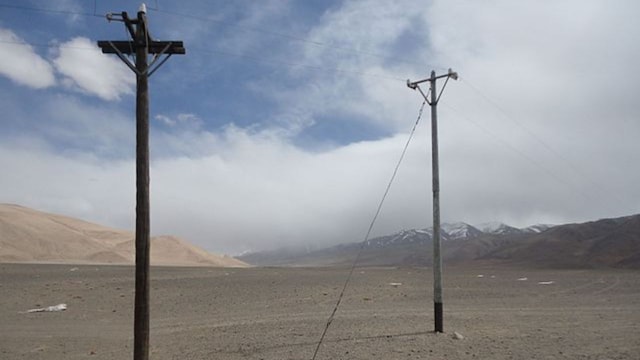
9. Strategic Border Areas in Arunachal Pradesh | Various border villages and regions near the India-China border necessitate special permits. Certain locations remain fully closed due to military sensitivities. (Image: Wikimedia Commons)
 10 / 10
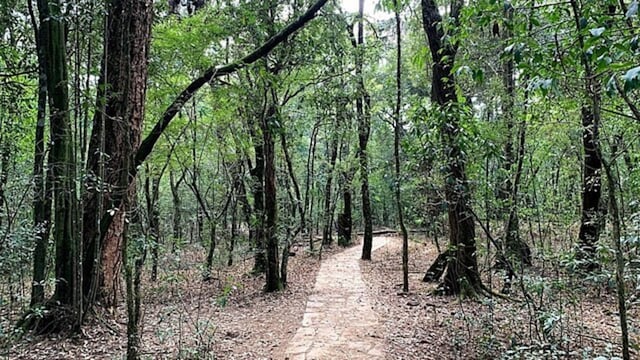
10. Sacred Tribal Groves in Central India | Specific forest areas safeguarded by tribal groups are inaccessible to outsiders. These groves hold cultural and spiritual significance and are preserved through traditional practices. (Image: Wikimedia Commons)