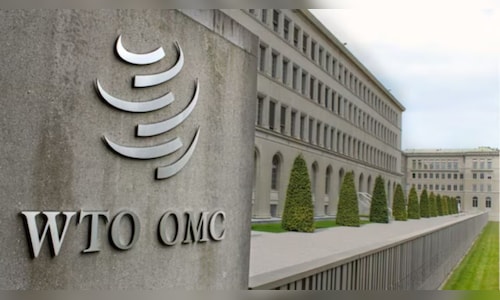
The WTO safety net established under TRIPS in 1995 provided developing countries with the ability to safeguard their policy space concerning public health.
Commenting on the implications of this decision, GTRI’s Founder Ajay Shrivastava stated that “even WTO-compliant measures like compulsory licensing can now face challenges from developed nations for impacting their anticipated commercial benefits.
For India, this heightens the possibility of disputes related to its intellectual property regulations, including provisions such as Section 3(d) of its patent law.” Section 3(d) of the Indian Patents Act prevents the evergreening of patents on existing medications, unless the new claims demonstrate superior efficacy.
The Chair of MC-14, Cameroon’s Trade Minister Luc Magloire Mbarga Atangana, indicated that while trade ministers endeavored to resolve as many issues as possible from March 26th to 29th, they “ran out of time” on multiple topics, such as the WTO’s work programme on electronic commerce, the ongoing waiver on customs duties for electronic transmissions, and non-violation complaints under the TRIPS.
Also Read: Sole dissenter India flags sovereignty risks, blocks IFD’s inclusion in WTO rulebook
The Ministerial Conference, convened every two years, serves as the highest decision-making body of the WTO.
In acknowledging the progress made in discussions aimed at advancing ongoing negotiations on WTO reform and further disciplines regarding harmful fisheries subsidies, WTO’s Director-General Ngozi Okonjo-Iweala encouraged member nations to utilize the draft texts created during the four-day ministerial dialogue to finalize agreements on remaining issues at the next General Council meeting at the WTO HQ in Geneva.
Also Read: WTO impasse may lead to duties on digital downloads, streaming; impact big tech cos
According to the WTO’s statement, ministers agreed to continue their negotiations on fisheries subsidies, intending to provide recommendations for the 15th Ministerial Conference.