India saw 3.89 crore overseas departures in 2024, primarily driven by leisure travel (42.5%), visits to the diaspora (34.7%), and business trips (14.9%). Spending abroad has also surged significantly.
According to data from the Liberalised Remittance Scheme (LRS), Indians spent approximately $3–4 billion annually on international vacations before FY22, a number that has climbed to about $17 billion on average over the past two years.
Industry estimates indicate that most traditional forex card providers impose margins of 2–4% on currency conversions, often leading to higher expenses for travelers. For a ₹2 lakh transaction, these markups can add an extra ₹4,000–₹8,000 relative to the mid-market exchange rate.
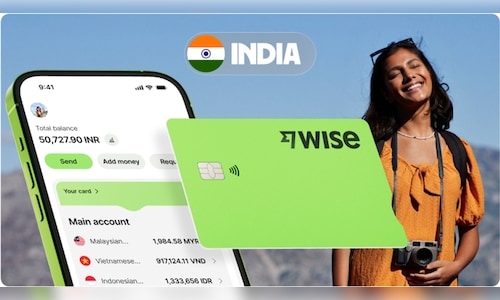
The Wise Travel Card utilizes the mid-market rate and features a transparent conversion fee. Over 75,000 individuals signed up for the waitlist within a month of its announcement at the Global Fintech Festival, according to the company.
This card supports more than 40 currencies and offers digital onboarding via DigiLocker and video KYC. It provides an instant digital card for online transactions, IMPS-based account top-ups, and in-app functionalities such as card freezing and unfreezing, spending alerts, and customizable limits. It’s accepted across the Visa network in over 160 countries. ATM withdrawals are free up to $200 per month, after which standard fees apply.
“Indian travelers are venturing abroad in record numbers, yet they continue to face hidden fees that can inflate their costs by hundreds or thousands of rupees for each trip,” stated Taneia Bhardwaj, South Asia Expansion Lead at Wise, noting a rising demand for transparent pricing.
Wise announced it will waive the ₹460 issuance fee for registrations made before February 10, 2026. The card has no annual or inactivity fees.
First Published: Dec 8, 2025 12:14 PM IST