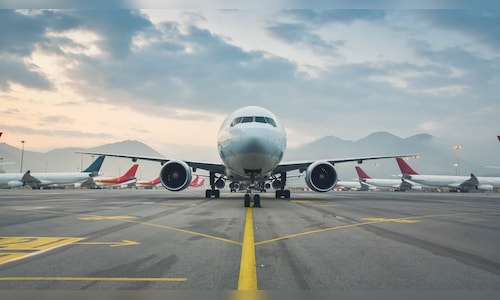
While flights haven’t been entirely suspended, their schedules have become increasingly erratic, resulting in frequent delays, cancellations, and rerouting affecting both international and regional journeys.
Key transit points such as Dubai, Doha, and Abu Dhabi continue to function, albeit at reduced capacity. For travelers, this translates to a necessity for enhanced vigilance, adaptability in travel arrangements, and ongoing monitoring of flight statuses.
In spite of the disruptions, both governments and airlines are striving to sustain vital connectivity by operating special flights and modifying routes to avoid high-risk airspaces.
Nevertheless, longer travel times and increased fares have become more common. Keeping informed is essential as the situation evolves to ensure safe and smooth travel in and out of the Gulf region.
On Monday, Air India and Air India Express will run 20 scheduled and non-scheduled flights to and from West Asia.
Here’s a quick overview of the key FAQs you need to know.
Are flights between India and the Gulf operating normally?
Flight operations between India and the Gulf (UAE, Saudi Arabia, Oman) are in the process of recovery, but some routes remain impacted by airspace restrictions.
Which airspaces remain closed in West Asia?
Given the tense situation in the Middle East, the airspace over Bahrain, Kuwait, and Iran remains closed, resulting in rerouted flights and modified travel plans.
Are special flights being arranged?
Yes, additional flights are being scheduled to assist stranded passengers and ensure connectivity. Airlines like Air India and Qatar Airways are facilitating special services.
How are stranded Indian nationals returning home?
Stranded Indian nationals are being repatriated through scheduled and special evacuation flights, with some routes redirected via Saudi Arabia when necessary.
Are flights taking longer now?
Yes, with flights being rerouted, travel times have lengthened, ticket prices have risen, and there is a possibility of missed connections.
Are airlines issuing travel advisories?
Yes, nearly all airlines are providing advisories. It is advisable to verify your flight status prior to heading to the airport.
Are Gulf airlines operating normally?
No, capacity has been diminished. Major state-backed carriers in the region, such as Emirates, Etihad, and Qatar Airways, are functioning at reduced levels.
How many people have returned to India so far?
As of March 18, approximately 260,000 individuals have returned to India from West Asia since February 28, following escalating regional conflicts. The Ministry of External Affairs (MEA) has noted active repatriation efforts, with over 52,000 returning specifically between March 1 and March 7.
What is the status of Indian seafarers in the region?
Indian seafarers in the UAE are operating within a tense, high-risk security environment in the Persian Gulf. Approximately 540–600 Indian crew members aboard 20–22 Indian-flagged vessels are under close surveillance by Indian authorities. The Directorate General of Shipping is keeping track of the situation, with ongoing efforts for safe repatriation, which have included bringing home over 635 seafarers previously due to regional conflicts.
What should passengers do right now?
Passengers are encouraged to take extra precautions while traveling amid the ongoing disruptions. It’s crucial to check flight statuses before departing for the airport, as schedules may shift on short notice. Travelers should remain flexible with their plans and be ready for potential delays or cancellations.