USGS monitors California coastal hazards ahead of 2026-2027 El Niño
1 min readThe U.S. Geological Survey announced Tuesday 20 October 2026 that it was monitoring California coastal hazards ahead of the 2026-2027 El Niño event. The agency said the monitoring improves assessments of beach erosion hazards along U.S. coastlines.
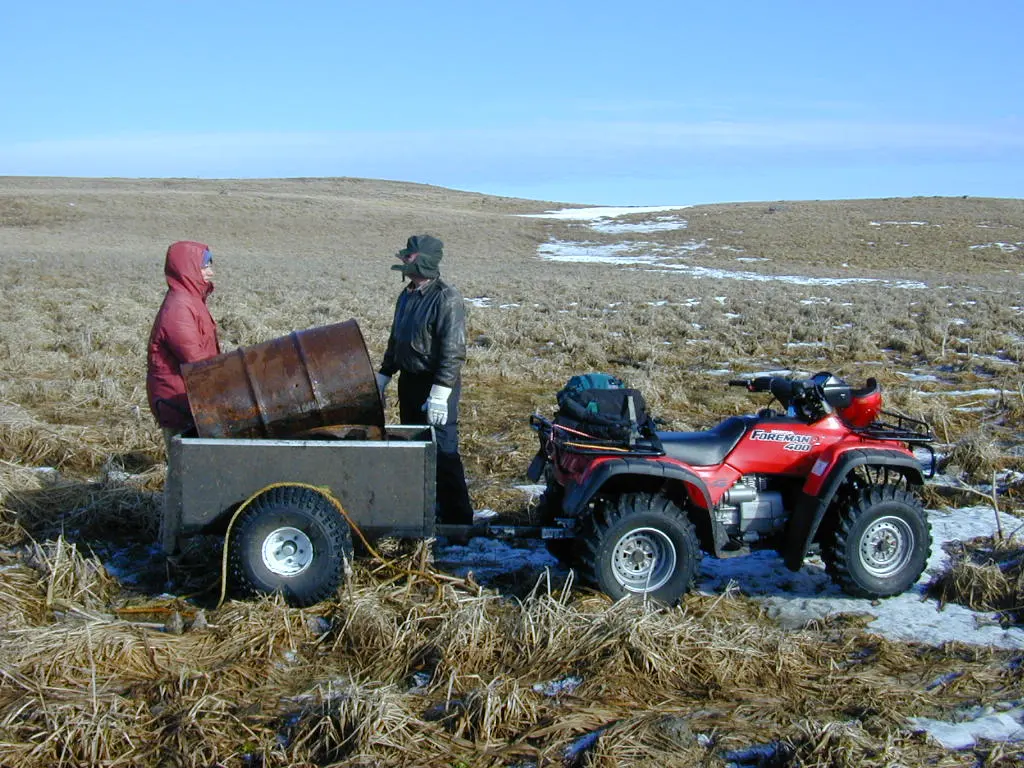
USGS teams survey bathymetry from personal watercraft and collect beach elevation data from aerial platforms, foot surveys, and all-terrain vehicles. The agency said the combined data are used to create three-dimensional maps of beach topography. Web cameras and instruments measure water levels, currents, waves, and shoreline positions.
A long-term monitoring program at Ocean Beach near San Francisco, ongoing since 2004, measures shoreline change in an area with some of the highest erosion rates along California’s coast. The USGS said the program tracks seasonal, event-based, and long-term coastal changes and supports planning for storm impacts.
Monitoring in Santa Barbara ran from 2005 to 2024. It began in response to the record 2005 flood of the Santa Clara River and provided a detailed look at how sediment injected into the nearshore evolved over time. Long-term monitoring at the San Lorenzo River mouth in Santa Cruz also examined how coastal watersheds deliver sediment to beaches under different hydroclimatic extremes.
Shorter-term surveys are taking place this fall and next spring in Ocean Beach, Santa Cruz, Santa Barbara, Ventura, and elsewhere. The USGS said the surveys seek to quantify the effects of possible floods and increased wave energy associated with the pending 2026-2027 El Niño on beach conditions. The agency also uses satellite imagery analysis, LiDAR, and photogrammetry flights to expand beach mapping coverage.
The USGS said its data inform sediment management decisions and feed coastal storm models, including the USGS Coastal Storm Modeling System, known as CoSMoS. The models show the future of California’s beaches and the risks and vulnerabilities of erosion to coastal infrastructure and habitats.