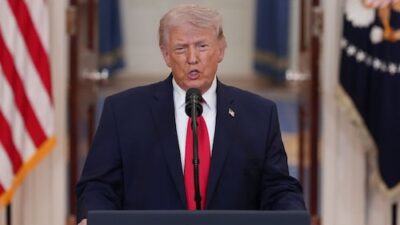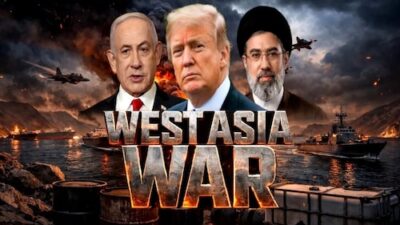
US President Donald Trump has cautioned Iran to restore normal shipping operations through the Strait or face potential military escalation. While Tehran hasn’t completely closed the route, disruptions have significantly slowed traffic, creating unease among energy traders and insurers.
Hormuz is irreplaceable. Nearly 25% of the world’s seaborne oil, approximately 20 million barrels daily, transits through this narrow corridor connecting the Persian Gulf to international markets. In its most constricted state, shipping lanes can narrow to just a few kilometers.
For market participants, the pressing question is no longer whether oil flows are threatened, but how they may resume and at what expense.
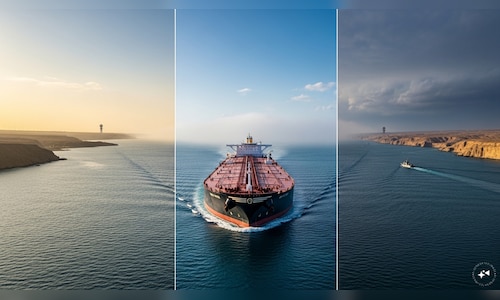
THREE scenarios are currently under consideration.
1. A ceasefire with conditions
The most probable outcome is also the most intricate: a reopening without a reset.
If Iran compromises to alleviate disruptions under diplomatic pressure, it will still maintain effective control of the Strait, potentially giving rise to an informal cost for passage.
Preliminary reports suggest some vessels might be incurring extra payments for safe passage out of the Gulf, although credible sources, including Reuters, mainly highlight rising insurance and transit costs.
Such tolling would fall outside established international norms, but markets may not wait for legal clarification. Shipping companies and insurers are likely to incorporate this risk immediately, increasing freight and energy costs.
2. A decisive reopening led by the US
The second scenario is more straightforward: a military initiative led by the US to secure the Strait.
Washington has already bolstered troop presence across the Gulf, but reopening Hormuz would necessitate more than airstrikes. It would require ongoing naval operations—clearing mines, deterring attacks, and escorting commercial vessels through one of the world’s most vulnerable chokepoints.
This approach is resource-intensive and politically sensitive. Notably, allies have shown little enthusiasm for participating, increasing the cost and risk of unilateral action.
Currently, despite strong rhetoric, this remains a less likely option. However, if implemented, it would likely induce sharp, short-term volatility in oil prices.
3. De-escalation first, stability later
The third path differentiates the conflict from the waterway.
In this scenario, hostilities diminish, yet secure passage through Hormuz is restored gradually, likely through a multinational coalition.
The United Nations Security Council has already taken steps towards maritime security, and further action could enable a coalition to protect shipping lanes.
Countries such as the UK, Australia, and potentially China could be involved, but only after active conflict lessens. Few are willing to deploy naval assets while tensions are high.
This would postpone a full recovery of shipping flows, extending uncertainty in energy markets even after hostilities cease.
Across all three scenarios, one notable shift emerges: returning to pre-crisis conditions is unlikely. Even with de-escalation, Iran’s geographical position guarantees it retains leverage over the Strait of Hormuz, creating a persistent risk premium that traders, insurers, and governments will need to account for.
(With inputs from PTI/AP)
Catch the latest updates on the war LIVE here.