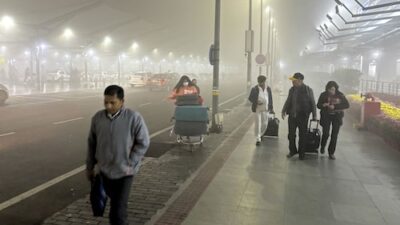
This rise signifies a growing awareness of risks associated with international travel, coupled with frequent flight disruptions and erratic winter weather. Nevertheless, many travellers still maintain a cost-focused mindset.
Policies with a sum insured of ₹50,000 represent 86% of all transactions, while those with ₹1 lakh cover make up approximately 10%, reflecting a preference for basic, affordable protection, as highlighted in the report.
The importance of delay and baggage covers
Data from the industry underscores the increased relevance of these covers.
As per DGCA statistics referenced by insurers, weather-related incidents made up 75% of flight cancellations in January 2025, with flight disruptions and baggage concerns being the leading causes of passenger complaints.
“During the holiday rush and winter fog, having comprehensive cover for delays, cancellations, and lost luggage is vital for financial safety,” stated Vivek Chaturvedi, CMO and Head of Direct Sales at Go Digit General Insurance, in an interview with CNBC TV18.
He emphasized the need for travellers to review the delay thresholds specified in their policies, as compensation typically starts only after a certain waiting period.
For international trips, this is often four hours, whereas domestic policies might feature lower thresholds.
Some insurers provide coverage for airline-initiated cancellations due to severe weather; however, these benefits usually exclude situations caused by regulatory or governmental measures.
Frequent oversights by last-minute travellers
Chaturvedi pointed out that last-minute planners frequently underestimate the likelihood of flight and baggage disruptions. DGCA data indicates that flight-related issues account for nearly 38% of passenger complaints, while baggage challenges contribute about 19%.
“These risks are prevalent, yet travellers don’t always ensure that their policy expressly covers them,” he remarked. He added that insurance can still be acquired close to departure, either directly from insurers or when booking flights and hotels through online travel platforms.
Finding a balance between premium cost and coverage
The Niyo report suggests that travellers are becoming more strategic, with nearly 57% of visas booked more than 30 days in advance, indicating a deliberate effort to control expenses and mitigate uncertainty.
Chaturvedi noted that insurance premiums represent a minor fraction of overall trip costs, even during peak travel seasons.
“With premiums starting at just ₹49, the cost of coverage is minimal compared to airfare and hotel rates, which tend to spike during holiday periods,” he said.
He cited instances where low-cost policies covered significant medical emergencies overseas, highlighting the necessity of having medical and evacuation coverage in addition to trip disruption benefits.
Key clauses for travellers to review
Experts recommend that travellers carefully read policy text, particularly the exclusions concerning pre-existing medical conditions, adventure activities, minor delays falling below minimum thresholds, and cancellations made well in advance. Attention should also be given to sub-limits on accommodation costs and strict timelines for claims.
For travel during winter and festive times, clauses related to fog and weather should be examined closely, as not all disruptions automatically qualify for claims.