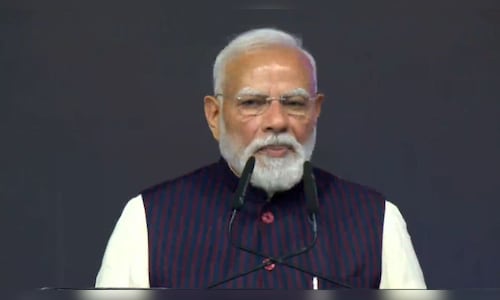
The Prime Minister noted that the situation is “dynamic” and requires ongoing vigilance, with the Centre operating an inter-ministerial group that examines developments daily and makes timely decisions.
He outlined the government’s primary objectives, which include maintaining economic and trade stability, ensuring energy security, protecting citizens’ interests, and keeping industry and supply chains running smoothly.
Modi urged states to prevent any disruptions in supply chains and to take stringent action against hoarding and price gouging. He also requested states to set up control rooms and stay administratively vigilant to avert shortages or price increases.
A significant issue raised during the meeting was agricultural preparedness, with the Prime Minister calling for thorough monitoring of fertilizer availability and distribution in advance of the Kharif season.
He cautioned against the spread of misinformation and rumors, urging states to ensure accurate and timely communication to alleviate any potential panic among the public. Special focus was recommended for border and coastal states, particularly concerning shipping, essential supplies, and maritime operations.
The Prime Minister emphasized that India effectively managed similar challenges during the COVID-19 pandemic through coordinated efforts between the Centre and states, asserting that the “Team India” approach will be vital now.
In response, chief ministers stated that the situation remains stable, with sufficient supplies of petrol, diesel, and LPG across various states. They appreciated recent measures such as reductions in excise duty on fuel and increased allocations for commercial LPG.
States also assured the Centre of their full cooperation in addressing the evolving situation and safeguarding the interests of citizens as geopolitical tensions continue to threaten global energy and supply chains.