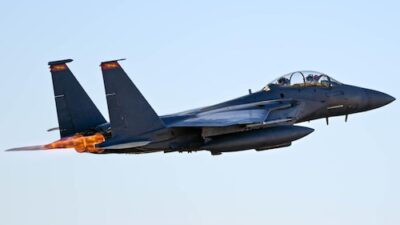
The circumstances surrounding the aircraft are unclear, including whether Iran claims it was shot down or if there are other issues involved. If verified, this could lead to a significant escalation in the ongoing conflict, which is approaching its fifth week. The US has not yet responded to requests for comment.
The anchor on the Iranian channel called on locals to report any “enemy pilot” to police, promising a reward for anyone who does so. The channel operates in Kohkilouyeh and Boyer-Ahmad province, a largely rural and mountainous area covering over 15,500 square kilometers (5,900 square miles).
Earlier, a scroll on the screen urged people to “shoot them if you see them,” referring to social media footage purportedly showing US aircraft in the vicinity.
The channel displayed metal debris in a pickup truck during the announcement but offered no further immediate details.
Throughout the war, Iran has made various claims regarding the downing of enemy piloted aircraft, many of which were later disproven. This marks the first occasion that Iran publicly urged its citizens to search for a suspected downed pilot.
US Central Command, the Pentagon, and the White House have not immediately responded to inquiries for comment.
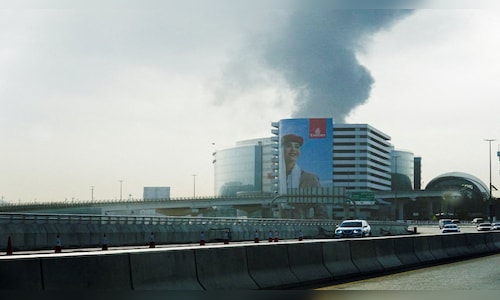
The claim coincided with Iran’s attacks on targets in the region, including a fire at Kuwait’s Mina al-Ahmadi oil refinery. The state-run Kuwait Petroleum Corp. reported that firefighters were working to control multiple blazes there.
Kuwait also indicated that an Iranian strike caused “material damage” to a desalination facility, which supplies a significant portion of the drinking water for Gulf states and has become a major target in this conflict.
Despite US and Israeli assertions that Iran’s military capabilities have been severely diminished, Tehran continues to exert pressure on Israel and its Gulf Arab neighbors.
Iran’s assaults on Gulf energy infrastructure and its control of the Strait of Hormuz, through which a fifth of the world’s oil and natural gas transits during peacetime, have shaken stock markets, driven up oil prices, and threatened to increase the prices of essential goods, including food.
On Friday, spot prices of Brent crude, the global standard, hovered around $109, rising more than 50% since the onset of the war, during which Iran began restricting traffic through the Strait of Hormuz.
Also read: India plans faster production of induction heaters and vessels to reduce LPG use
Sirens also echoed in Bahrain, while Saudi Arabia reported destroying several Iranian drones, and Israel indicated incoming missiles.
Authorities in the United Arab Emirates shut down a gas field after debris from a missile interception reportedly fell onto it, igniting a fire.
Activists reported strikes in and around Tehran and the central city of Isfahan, though it was not immediately clear what was targeted. The previous day, Iran stated that a US attack struck a major bridge, still under construction, resulting in the deaths of eight people.
Over 1,900 individuals have lost their lives in Iran since the conflict began on February 28 with US and Israeli strikes. A review released on Friday by the Armed Conflict Location and Event Data, a US-based organization, indicated that civilian casualties appeared more concentrated around strikes on security and state-affiliated targets rather than indiscriminate bombings of urban areas.
More than two dozen individuals have perished in Gulf states and the occupied West Bank, with 13 US service members and 19 in Israel reported dead.
In Lebanon, more than 1,300 people have been killed and over 1 million displaced as Israel conducts a ground invasion against the pro-Iranian Hezbollah militant group, with ten Israeli soldiers also reported killed there.
In a potential indication that some factions within Iran’s theocracy may be open to negotiations, the country’s former chief diplomat proposed a peace plan in a prominent American magazine.
Former Iranian Foreign Minister Mohammad Javad Zarif — a seasoned diplomat known for negotiating with the West and aligned with a pragmatic faction of Iran’s leadership — stated on Friday that it is time to end the suffering.
“Extending hostility will result in greater loss of precious lives and invaluable resources without changing the current stalemate,” Zarif, who played a key role in negotiating Iran’s 2015 nuclear agreement, expressed in Foreign Affairs magazine.
The U.S. has provided Iran with a 15-point ceasefire proposal that includes reopening the Strait of Hormuz, dismantling Iran’s nuclear facilities, and limiting its missile production in exchange for relief from sanctions. However, no signs of advancement have been evident in the diplomatic discussions.
Iran’s preliminary five-point counterproposal, broadcast by state television, involved recognizing Iran’s sovereignty over the strait, removing US bases from the region, compensation for war damages, and assurances against future aggression—all likely unacceptable to the Trump administration.
Zarif’s proposal incorporates aspects from both plans.
Iran “should offer to impose limits on its nuclear program and to permit the reopening of the Strait of Hormuz in return for ending all sanctions—a deal that Washington might not have accepted previously, but could consider now,” he noted.
The significance of Zarif’s proposal remains uncertain. Although he no longer holds an official position in Iran’s government, he was instrumental in the election of reformist President Masoud Pezeshkian and likely would not publish such an article without some level of endorsement from senior leaders.
Shortly after the piece was released, Zarif conveyed he felt “torn” about it—suggesting he might already face some internal pressure.
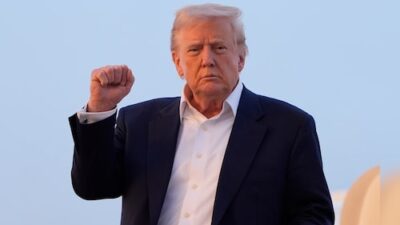
Additionally, it remains uncertain how U.S. President Donald Trump will react. He has fluctuated between claiming the U.S. is negotiating an end to the war and threatening to escalate it further. Thousands of U.S. Marines and paratroopers have been deployed to the region, heightening speculation of a possible ground offensive.