The protracted conflict between the US-Israel alliance and Iran is compelling the aviation sector to reroute to evade drone and missile threats, as well as the debris from intercepts. Consequently, airlines and passengers globally face longer travel durations and increased airfare. Here’s how the West Asia War is transforming your flying experience.
2 Min Read

 1 / 5
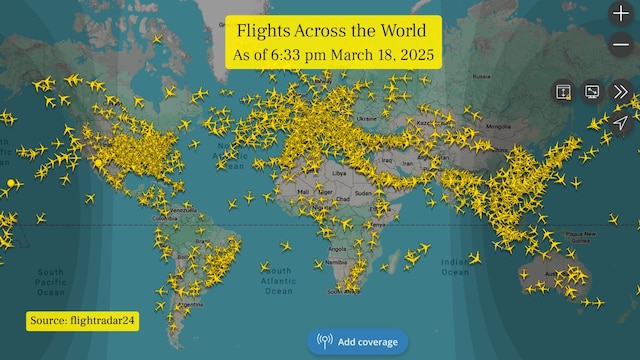
1 / 5Any global conflict can greatly influence aviation operations, impacting flight paths, travel times, and ticket prices. The current war in West Asia exemplifies this phenomenon. (Image: flightradar24 screenshot)
 2 / 5
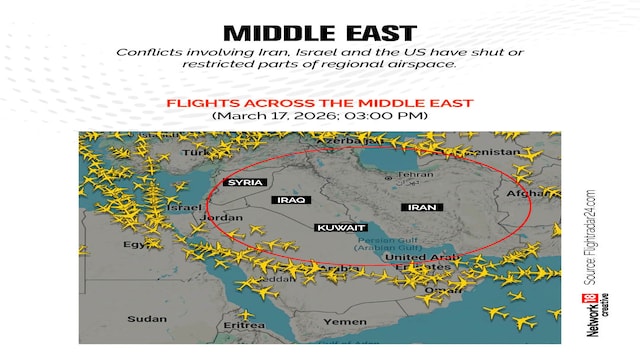
2 / 5Significant portions of airspace in the West Asia region are currently closed. As of March 17, Flightradar24 data indicates minimal activity above Iraq and Syria and their vicinity.
 3 / 5
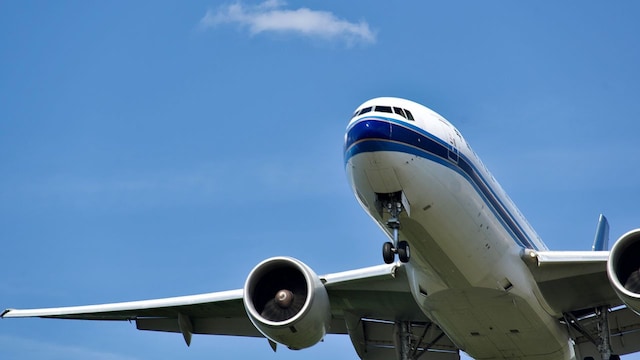
3 / 5The repercussions are particularly noticeable in limited corridors, especially in the Caucasus region linking Europe and Asia, which is now experiencing increased air traffic. These routes are seeing substantially more flights than usual. Unfavorable conditions have extended the flight duration between London and Tokyo by two hours. (Image: Canva)
 4 / 5
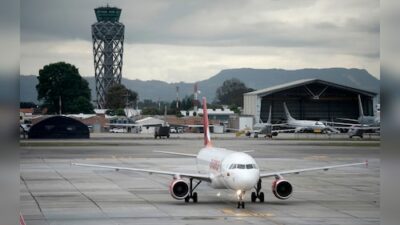
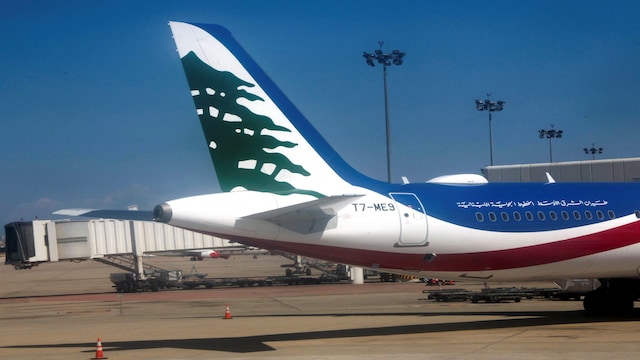
4 / 5The ongoing conflict has led to substantial disruptions in flight operations. As noted on March 17, approximately 66% of flights were canceled at Doha’s Hamad International Airport, with 5% experiencing delays. Dubai International Airport faced 28% cancelations and 64% delays. In addition, Riyadh’s King Khalid International Airport and Abu Dhabi’s Zayed International Airport reported 54% and 86% delays, respectively. (Image: Reuters)
 5 / 5
5 / 5Extended flight times also result in higher carbon emissions and escalating ticket prices. For instance, detours following Russia’s war in Ukraine led to a 13% increase in fuel consumption, contributing to 8.2 million tons of carbon emissions in 2023. (Image: Canva)