 1 / 8
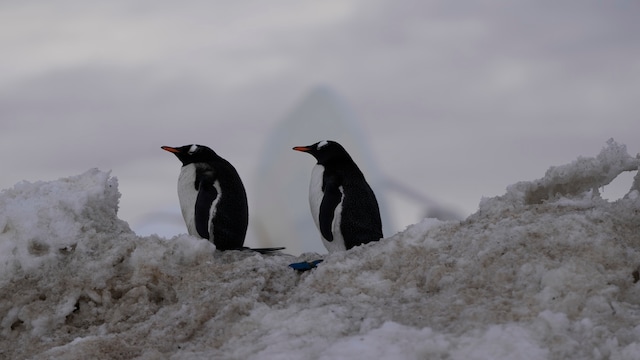
1 / 8Antarctica | Recognized as the coldest place on Earth by the World Meteorological Organization, which logged a bone-chilling temperature of –89.2°C at Vostok Station in 1983. While visitors don’t frequent these inland research sites, cruises to the Antarctic Peninsula provide a milder encounter with the continent’s extreme climate, where summer temperatures range between –5°C and 5°C. Travelers glide past magnificent icebergs, stroll alongside penguin colonies, and observe seals lounging on icy shores, all set against a backdrop that feels like the end of the world. (Image Source: AP)
 2 / 8
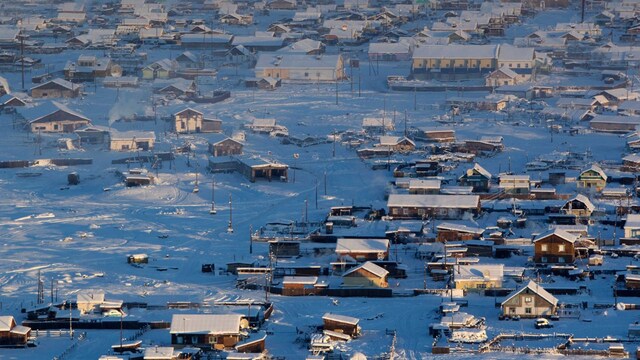
2 / 8Oymyakon, Russia (Sakha Republic) | Frequently described as the coldest permanently occupied settlement on the planet, Oymyakon recorded its coldest verified temperature at –67.7°C in 1933. During winter, average temperatures hover around –45°C to –50°C. Further to the west, cities like St. Petersburg transform into picturesque winter wonderlands, while Lake Baikal— the world’s deepest lake— freezes into a thick, crystalline surface ideal for skating, dog-sledding, and winter festivities. (Image source: Reuters)
 3 / 8
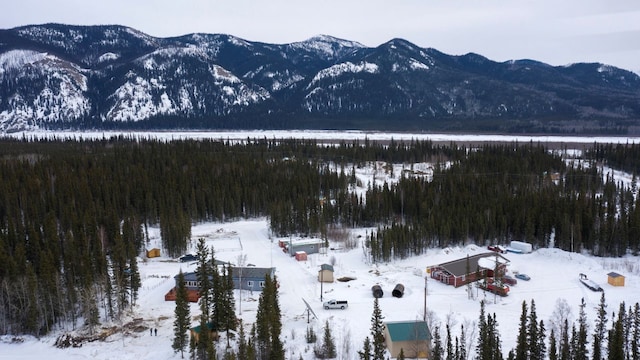
3 / 8Canada | Canada holds the record for the coldest temperature ever documented in North America at –63°C, measured in Snag, Yukon, back in 1947. Nowadays, adventurers head north for dog-sledding experiences, ice-fishing on frozen lakes, or skating on Ottawa’s Rideau Canal, renowned as the largest naturally frozen skating rink globally. Clear winter nights in the northern territories also often reward onlookers with breathtaking displays of the aurora. (Image Source: Reuters)
 4 / 8
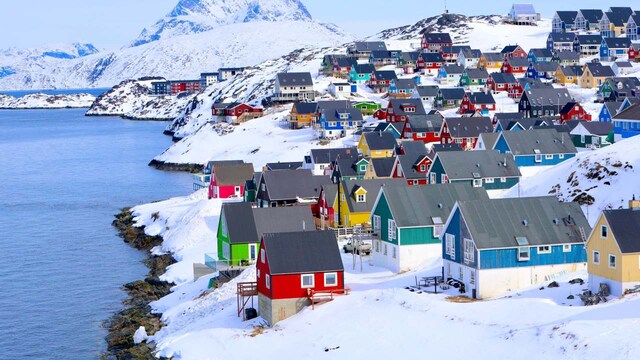
4 / 8Greenland | Contrary to its name, Greenland is predominantly covered in ice. It boasts the Northern Hemisphere’s lowest reliably documented temperature of –69.6°C recorded at an automated weather station in December 1991 (verified by the WMO). Tourists usually visit the milder coastal towns like Ilulissat, famous for its UNESCO-listed Icefjord. Winter excursions provide opportunities for iceberg cruises, fjord hikes, dog-sledding, and rare whale sightings amidst the vast Arctic quiet.
 5 / 8
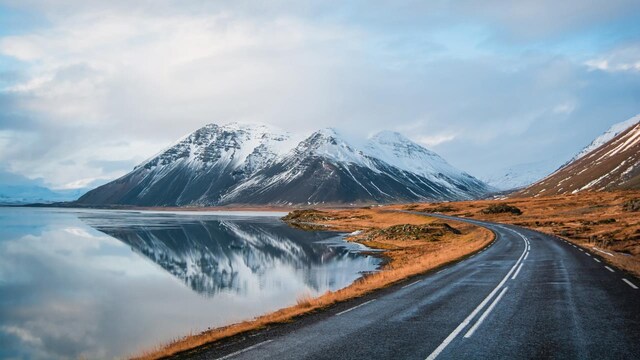
5 / 8Iceland | Iceland experiences milder winter temperatures compared to its Arctic neighbors, generally ranging from 0°C to –10°C in populated regions, while its icy scenery stands among the world’s most astonishing. Known as the “land of fire and ice,” Iceland merges active volcanoes with massive glaciers like Vatnajökull, the largest in Europe. Between November and March, adventurers can explore natural crystal ice caves and enjoy geothermal pools like the renowned Blue Lagoon, often illuminated by the northern lights. (Image: Shutterstock)
 6 / 8
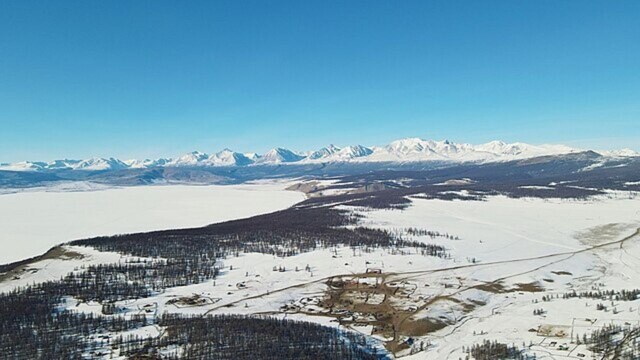
6 / 8Mongolia | With its continental climate, Mongolia experiences some of the harshest winters in Asia, where temperatures in the northern and central areas often drop below –30°C, with recorded lows approaching –40°C. However, the winter beauty of the steppes is striking. Visitors can stay with nomadic herders, participate in traditional winter festivals, ride camels across the Gobi, or relax in natural hot springs that locals swear by, even as snow falls around them.
 7 / 8
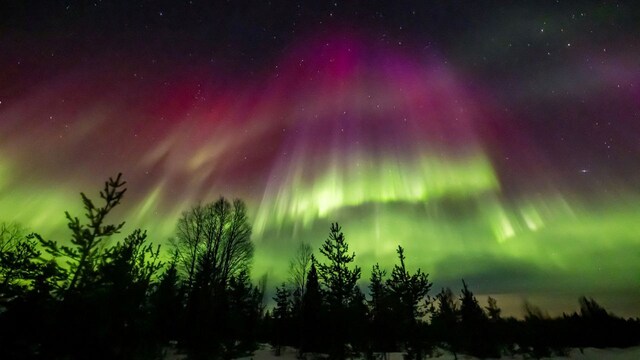
7 / 8Finland (Lapland) | During winter, Finnish Lapland often sees temperatures sink between –20°C and –35°C, particularly inland. This Arctic region is well-known for its reindeer and husky safaris, stays in glass igloos, and untouched snow-filled forests. The Northern Lights can be viewed here about 200 nights a year, giving travelers great chances to witness the aurora from a cozy cabin or frozen lake. Rovaniemi’s Santa Claus Village adds an enchanting touch to the polar chill. (Image Source: Reuters)
 8 / 8
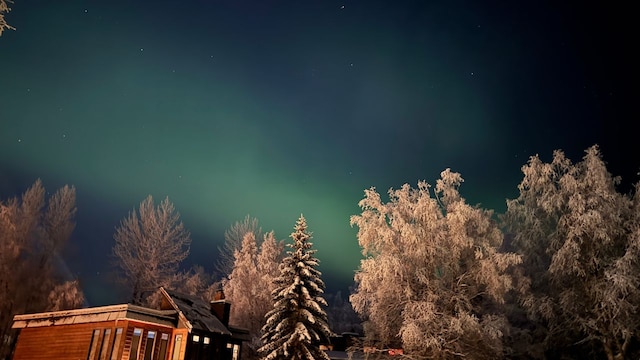
8 / 8Denali, Alaska, USA | Denali, the tallest mountain in North America, overlooks one of the coldest national parks in the U.S. The lowest recorded temperature at Denali Park headquarters is –54°F (–47.8°C), with harsher conditions often found at higher altitudes, though less systematically recorded. Winter visitors explore the park’s snowy valleys, spot moose and caribou against the white landscape, and experience some of Alaska’s clearest night skies. (Image Source: AP)