(Photo Credit : Reuters)
 1 / 8
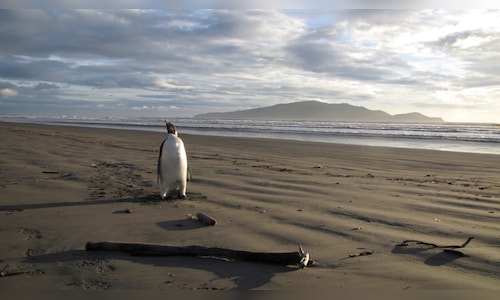
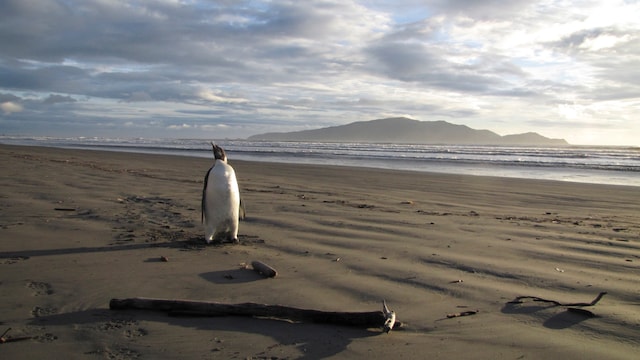
1 / 8Status Update: The International Union for Conservation of Nature has marked emperor penguins as endangered due to the reduction of Antarctic sea ice from rising global temperatures. This recent decision, revealed on Thursday, shifts their previous status from “near threatened” and emphasizes the increasing danger for species reliant on consistent ice environments for survival.
(Photo Credit : Reuters)
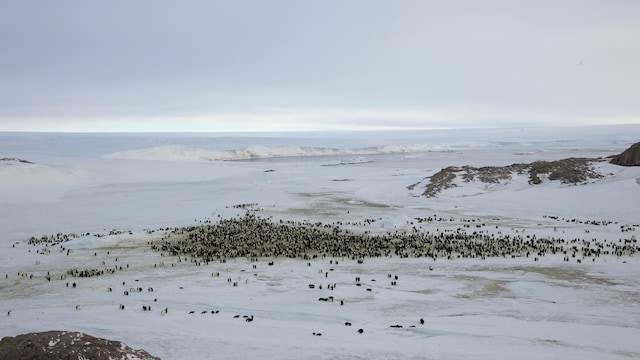
2 / 8Declining Numbers: Experts from the IUCN estimate that by the 2080s, the emperor penguin population could decrease by approximately 50% if current trends continue. Satellite observations reveal a population drop of around 10% from 2009 to 2018, translating to roughly 20,000 fewer adult penguins, indicating continuing losses tied to shifting environmental conditions.
(Photo Credit : Bloomberg)
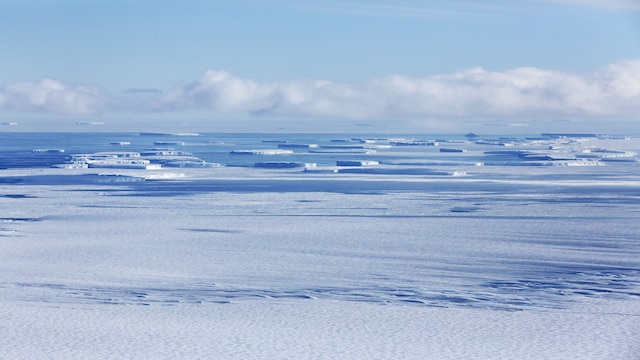
3 / 8Habitat Requirements: Emperor penguins rely on stable sea ice connected to coastlines or the ocean floor for crucial activities like breeding, feeding, and moulting. These ice structures permit adults to nurture their chicks and find nourishment. Disruption or disappearance of the ice jeopardizes breeding cycles and diminishes overall survival rates across colonies.
(Photo Credit : AFP)
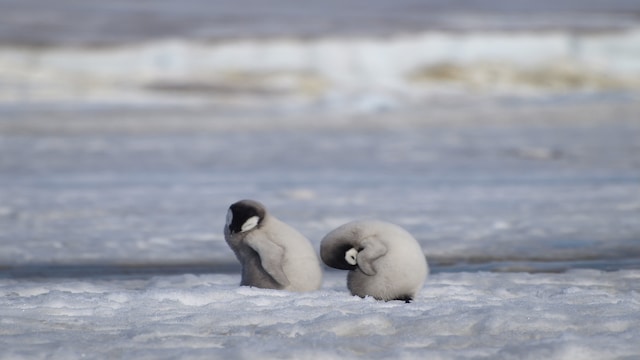
4 / 8Ice Condition Changes: Since 2016, Antarctic sea ice has been reaching historic lows and has been breaking apart earlier in spring. This premature melting raises the risk that chicks might fall into the ocean before acquiring waterproof feathers, thereby lowering their survival odds and destabilizing colonies.
(Photo Credit : Reuters)
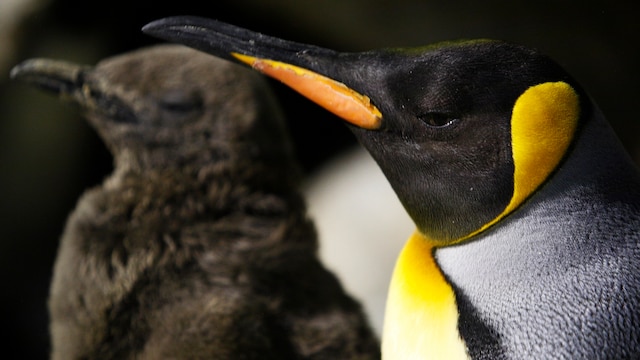
5 / 8Expert Insights: Philip Trathan from the IUCN Species Survival Commission’s Penguin Specialist Group emphasizes that early melting of sea ice is already impacting colonies throughout Antarctica. He mentioned that shifts in sea-ice conditions will likely keep disrupting breeding, feeding, and moulting habitats, elevating long-term risks for the species.
(Photo Credit : Reuters)
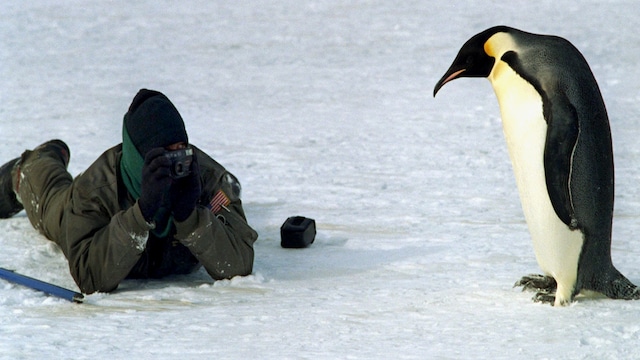
6 / 8Major Threat: The IUCN has identified climate change driven by human activity as the primary threat to emperor penguins. Increasing temperatures related to greenhouse gas emissions are diminishing the extent and stability of sea ice, putting significant pressure on species that depend on it.
(Photo Credit : Reuters)
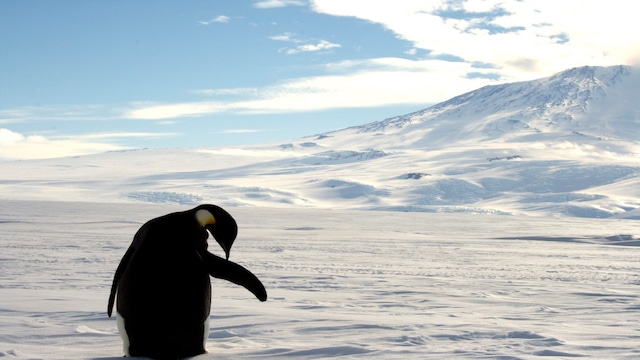
7 / 8Role of the Red List: The IUCN Red List serves as a global reference for tracking extinction risk among plants, animals, and fungi, encompassing six categories, from least concern to extinct. Emperor penguins are now positioned two tiers above “extinct in the wild,” signaling a significant risk of extinction if effective measures are not taken.
 8 / 8
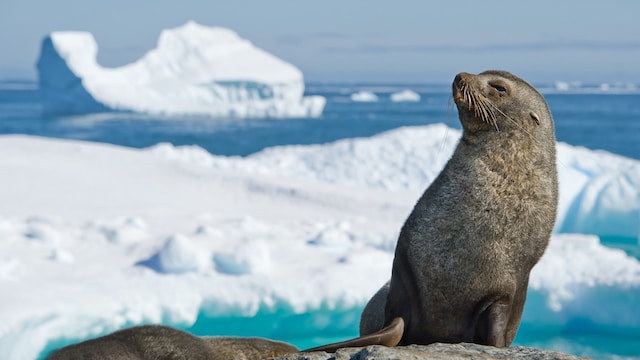
8 / 8Other Affected Species: The recent update also categorizes the Antarctic fur seal as endangered, following a decrease in its population by over 50% from 1999 to 2025. The IUCN noted that warming oceans are driving krill, the seals’ primary food source, into deeper waters, thus limiting food supply and impacting survival rates.