
1 / 8
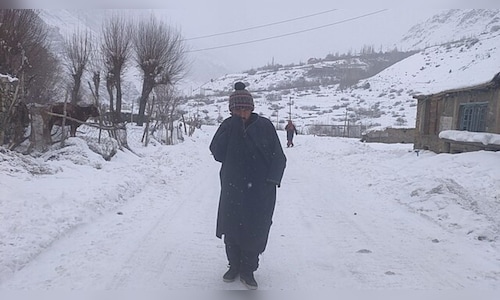
The coldest inhabited spot in India: Dras (often referred to as Drass), located in the Kargil district of Ladakh, is recognized as the coldest inhabited area in India during the winter months, with temperatures frequently dropping below –25°C in December and January. Its high elevation and valley setting in the Himalayas trap icy winds, resulting in severe winter conditions. Both locals and tourists face an extreme cold that few other Indian regions experience. (Picture: Wikimedia Commons)
2 / 8
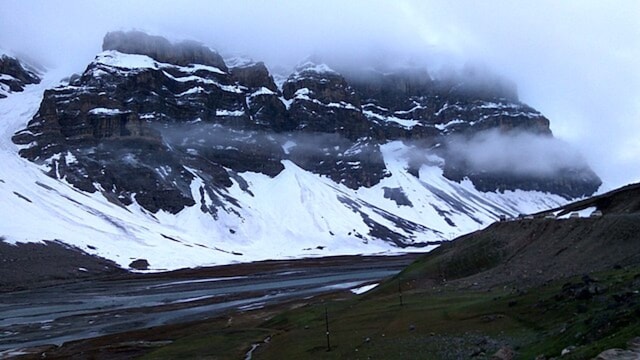
Colder than Siberia: In extreme weather conditions, Dras has recorded temperatures approaching –60°C, making it one of the coldest inhabited places on Earth. Although such temperatures are rare and often hard to verify, they illustrate the region’s intense winter cold. This chilling climate shapes striking landscapes of frozen ground and snow-covered scenery. (Picture: Wikimedia Commons)
3 / 8
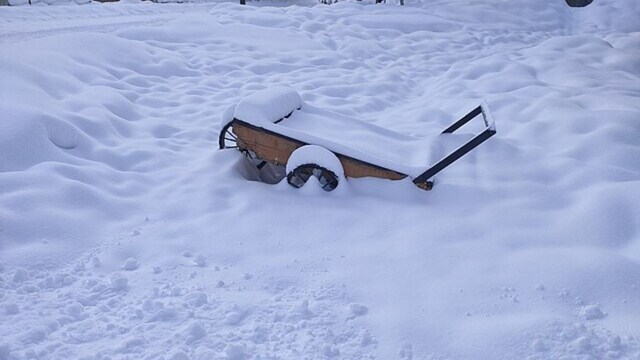
Living in extreme cold: Despite harsh winter conditions, Dras remains populated, with residents adapting to the frigid climate through traditional homes, layered clothing, and stoves fueled by fire. Daily life in this environment demands remarkable resilience, from managing frozen water supplies to limited outdoor mobility. The extreme temperatures pose challenges for routine activities, requiring specialized gear for anyone stepping outside. (Picture: Wikimedia Commons)
4 / 8
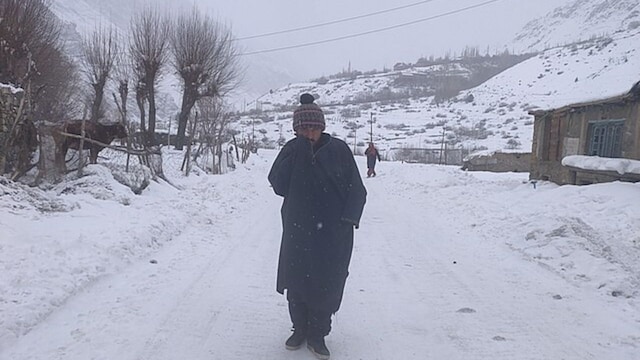
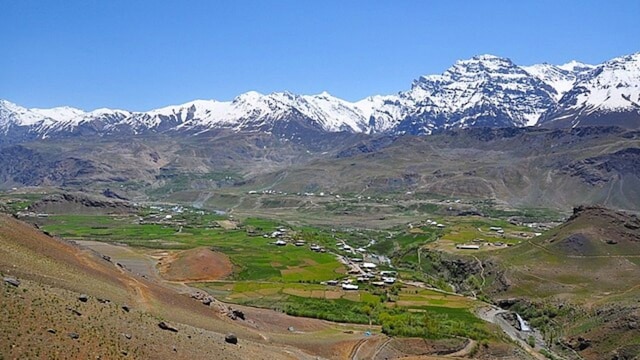
Stunning winter landscapes: During winter, Dras transforms into a breathtaking expanse of snow and ice, featuring frosted hills and frozen waterways that attract photographers and adventure enthusiasts. The captivating contrast of white fields against clear blue skies showcases a surreal beauty typical of high altitudes. (Picture: Wikimedia Commons)
5 / 8
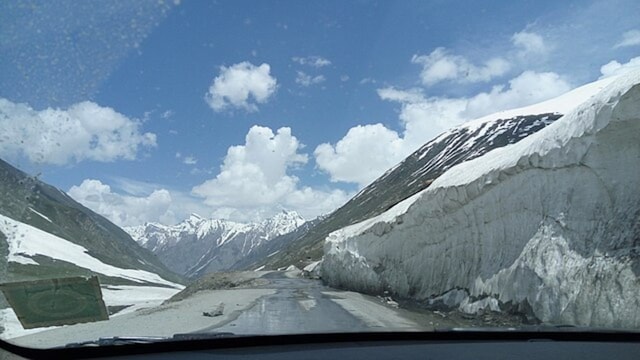
A gateway to Ladakh’s breathtaking terrain: Situated along the Srinagar–Leh highway, Dras serves as a portal to the stunning and rugged landscapes of Ladakh. Even in freezing conditions, travelers traverse this route for a glimpse of the striking yet barren peaks, snowy valleys, and rich cultural heritage. (Picture: Wikimedia Commons)
6 / 8
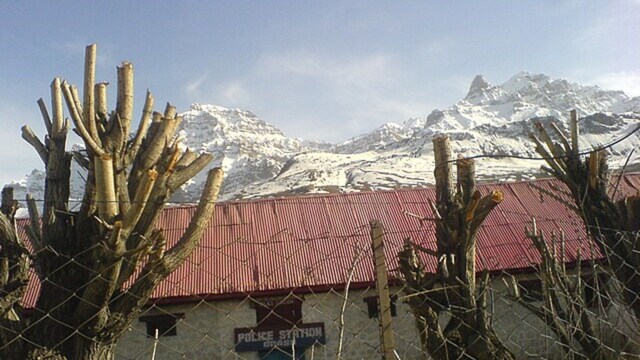
Cultural vibrancy amidst winter: In Dras, local hospitality, from hot tea to hearty meals, plays an essential role in helping people deal with the icy climate. Dras is among several Indian locales—like Kargil and Leh—where winters test human resilience, yet cultural festivities and communal events in winter showcase the town’s spirit and social unity during severe weather. (Picture: Wikimedia Commons)
7 / 8
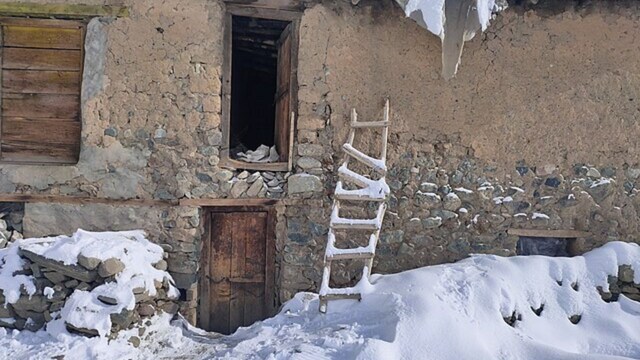
Adventure and the allure of extreme cold: The intense cold in Dras results from its lofty elevation, scarcity of sunlight in winter, and the cold air drainage into the valley, creating conditions for astonishingly low temperatures. For adventurers, Dras provides an extreme setting for snow trekking, photography, and other winter explorations. Visiting in the depths of winter offers a unique experience of India’s harshest cold landscapes. (Picture: Wikimedia Commons)
8 / 8
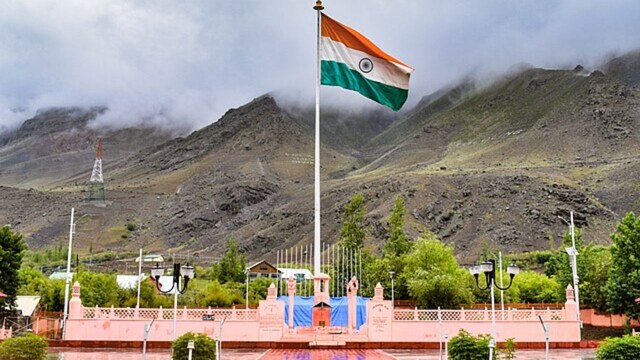
Kargil War Memorial: Situated in the Kargil district, Dras is home to the Kargil War Memorial, commemorating the soldiers who perished during the 1999 conflict. Set against the backdrop of snow-capped peaks, the memorial remains open even in severe cold, attracting visitors throughout the year. The harsh winters here highlight both the tough terrain faced by soldiers and the perseverance needed to thrive in such an environment. (Picture: Wikimedia Commons)