The nearly 210-kilometre expressway begins near Delhi’s Akshardham Metro Station and connects with the Delhi–Meerut Expressway. It traverses through various districts in Uttar Pradesh, including Baghpat, Baraut, Shamli, and Saharanpur, before culminating in Dehradun, the capital of Uttarakhand.
On December 4, 2021, Prime Minister Narendra Modi laid the foundation stone for the Delhi-Saharanpur-Dehradun Expressway.
Constructed at an estimated cost between ₹11,868.6 crore and ₹13,000 crore, this project is anticipated to dramatically lower fuel consumption, travel time, and fatigue, offering travelers a smoother and more scenic highway journey.
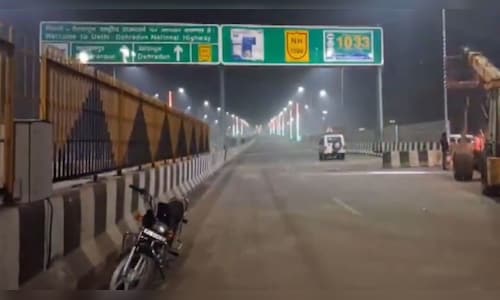
#WATCH | Delhi | The Delhi–Saharanpur–Dehradun Expressway has opened for trial runs as vehicles begin to move after barricades were removed. pic.twitter.com/o9LwN86bcc
— ANI (@ANI) November 30, 2025
While an official inauguration has yet to be announced, trial runs are already underway, with barriers lifted in the Geeta Colony area allowing vehicles to pass. The public opening of the expressway, designed to significantly shorten travel times, is now just around the corner.
The expressway features multiple underpasses, overbridges, service roads, and interchanges, incorporating modern infrastructure. Currently being developed as a six-lane motorway, it may expand to eight lanes as traffic increases.
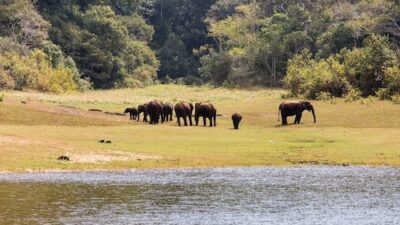
A prominent aspect of the design includes a 12-kilometre elevated wildlife corridor that traverses wooded areas adjacent to Rajaji National Park and the Shivalik reserve, intended to minimize wildlife disturbance. This eco-conscious section is crafted to allow animals to roam freely while vehicles traverse overhead.
The project is being delivered in four phases. The first phase has been finalized for over six months, commencing at Akshardham, Delhi, and passing through Geeta Colony, Shastri Park, Mandola Vihar, and Khekra, Baghpat.
During the local floods in Delhi in September, several commuters utilized this section to circumvent flooded city roads once the barricades were removed.
As final adjustments are made in certain areas, the second phase, covering the distance from Baghpat to Saharanpur, is nearing completion.
The third phase focuses on enhancing the existing route between Ganeshpur and Saharanpur Bypass, which is also at an advanced construction stage.
The fourth phase, which includes elevated sections and tunnels, is currently undergoing safety inspections and finishing touches near Dehradun.
The new corridor linking Baghpat and Saharanpur promises to transform the travel experience for commuters accustomed to the congested routes that frequently navigate through Meerut, Muzaffarnagar, and Roorkee.
The expressway is expected to bolster connectivity for tourists, particularly those heading to Uttarakhand’s hill stations and sacred sites, while streamlining travel for daily commuters. It is anticipated to open to the public by February 2026, as per the latest official estimates.
Officials have stated that the Prime Minister’s Office (PMO) instructed the Ministry of Road Transport and Highways (MoRTH) to launch the project only when all four phases are completed and operational.