In a recent interview with CNBC-TV18, Anuj Kumar, Managing Director of Computer Age Management Services (CAMS), discussed the effects of regulatory changes on fund houses, the company’s growth projections for FY27, and the anticipated increased significance of non-MF businesses for CAMS’ future.
CAMS reported consistent quarter-on-quarter performance in the October-December quarter of 2025 (Q3FY26), with revenues increasing 3.6% to ₹390.14 crore from ₹376.70 crore in the previous quarter. Earnings before interest, taxes, depreciation, and amortization (EBITDA) rose 6.7% to ₹178.86 crore from ₹167.60 crore, showcasing enhanced operational efficiency. The EBITDA margin expanded by 135 basis points to 45.85% from 44.49%, while net profit surged 9.9% to ₹125.50 crore compared to ₹114.20 crore in the prior quarter.
The market capitalization of Computer Age Management Services is approximately ₹16,943 crore, with the stock experiencing a decline of nearly 18% over the past year.
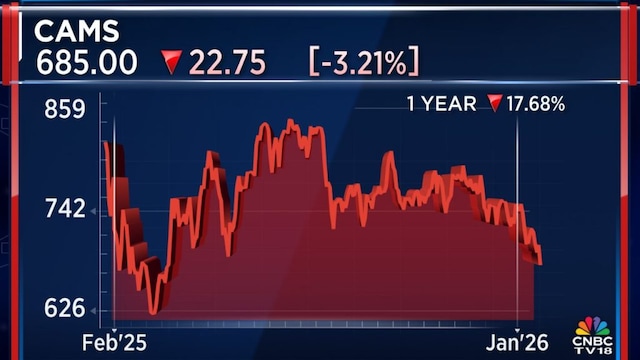
Below are selected excerpts from the interview.
Q: Has Computer Age Management Services (CAMS) engaged in discussions with mutual funds regarding contract renegotiations or pricing, in light of the regulator’s push to lower fees and the potential impact on fund houses’ cost structures?
A: The regulator’s goal is to make products more affordable for both the market and investors. While recent discussions aren’t substantial, there is a minor effect on larger mutual funds. As we’ve always emphasized, we provide significant value at the high end of service for mutual funds. We’ll have to see how this unfolds over the next few months; currently, no formal conversations are taking place.
Q: Is the lack of renegotiation due to the nature of the contracts and their timing, or is it simply that discussions have yet to begin?
A: I would divide the market into two sectors. The top 10 mutual funds might experience some effects from the elimination of the exit load, while others will balance the exit load’s impact against positive adjustments from GST. The top 10 funds are evaluating the situation, and so are we. This hasn’t yet led to formal discussions. Additionally, our unit price decreases every year, so there are inherent scale benefits. As such, we are awaiting any conversations they might initiate.
Q: Are you suggesting that the top 10 mutual funds will be affected, and you are in contact with most of them?
A: We engage with seven out of those ten mutual funds.
Q: So, these funds are considering their options due to the exit load removal?
A: Exactly.
Also Read: Crypto-related hacks and scams surged in 2025 amid increased regulation and institutional adoption.
Q: When do you foresee these negotiations taking place, possibly within 2025-26 (FY26)?
A: Yes, if they choose to return to us, it’s likely to happen within the next three to four months.
Q: So, perhaps in the April-June quarter of 2025 (Q1FY26) for 2026-27 (FY27) is when we might expect it?
A: I wouldn’t set specific expectations, as the total exit load is only about five basis points. They manage large P&Ls, and should it occur, it will likely come in the first quarter of FY27.
Q: Let’s focus on the financial aspects. Revenues have only increased about 5% this year, while margins remain in the mid-40s. What growth are you anticipating for this year and the next? You mentioned non-MF businesses would grow at a faster rate, so what are your expectations for that?
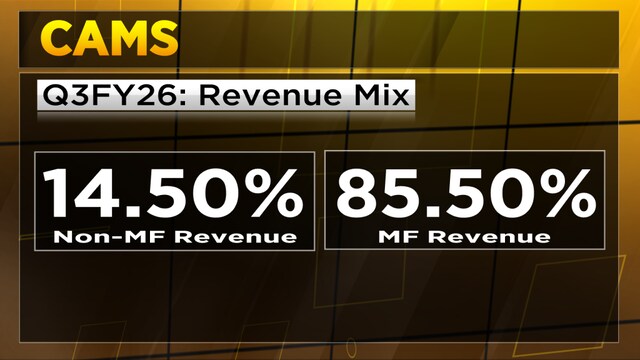
A: For this year, there’s been a price reset about nine months ago, meaning year-on-year growth is likely to be in single digits. Nonetheless, our operating margin improved from approximately 43% to 46% during Q1FY26 due to productivity gains from technological initiatives. The non-MF segment grew around 25% this quarter and is expected to outpace overall enterprise revenue growth. Thus, for FY27, while we don’t formally issue guidance, we anticipate enterprise-level revenue growth of about 12% to 13%. Non-MF revenue growth should exceed 20%, and operating EBITDA growth may surpass 15%. These figures are broad estimates of how we expect the year to unfold.
Q: So, you’re projecting a revenue growth of 12–13% in FY27?
A: Absolutely.
Q: Given that you’re sharing these figures and anticipated negotiations, could you provide a sense of worst-case, base case, and bull case impacts?
A: I can provide broad, indicative numbers rather than percentages. We expect our absolute revenue increase to range between ₹150 crore and ₹200 crore annually. If any negotiations occur, the effect might be approximately ₹20 crore to ₹25 crore per year, a manageable fraction of our overall annual revenue increase. We are prepared for these discussions, and I believe that the value we offer will foster constructive dialogue.
Also Read: What cautious mutual fund investors are currently purchasing.
Q: So, you’re stating that the worst-case scenario regarding mutual fund negotiations, driven by regulatory fee reductions, could be around ₹20 crore to ₹25 crore annually?
A: That’s correct, in that range.
Q: Additionally, there’s a structural transition towards passives and ETFs, which has been significant in the Western world. Many believe it will also happen here, with lower cost structures. What are your thoughts on this trend? It seems to be a long-term shift. Will it impact your profitability?
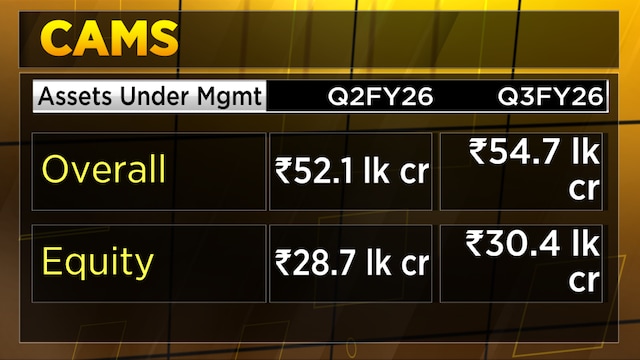
A: It is a gradual transition. The recent ETF growth has primarily been driven by gold and silver rather than equity ETFs. As an investor myself, I see that during downturns, actively managed mutual funds provide better protection. There’s been a steady shift of about 1% annually from active equity to passive funds, which has persisted for the last five years. If this continues, a gradual decrease of about 0.5% to 1% of active equity could transition to index funds and ETFs, exclusive of metals. We are prepared for this, especially given that CAMS’ AUM growth was 19% last year, despite broader market conditions. A minor shift wouldn’t materially affect our financials.
For the complete interview, watch the accompanying video.
Stay updated with the latest stock market news here.
Additionally, find the latest Budget 2026 expectations updates here.