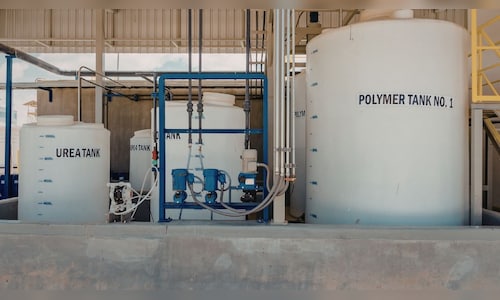
Approximately 60% of Australia’s urea—a crucial nitrogen fertiliser for enhancing crop yields—typically transits through the Strait of Hormuz, an essential shipping channel that remains under strain despite a US-Iran ceasefire effective from April 8, Collins shared with Sky News Australia on Sunday.
The country currently possesses adequate reserves and shipments “on the water,” Collins noted, emphasizing that the government is collaborating with the industry to secure long-term availability. Australia ranks among the world’s top exporters of wheat, beef, wool, and dairy products.
Domestic production is anticipated to commence by mid-2027 at the A$6.5 billion ($4.6 billion) Perdaman Urea Plant located in Western Australia’s Pilbara region, she added.
Grocery prices may see an immediate increase of 3% to 4% due to rising fuel and fertiliser expenses stemming from the conflict, with Collins referencing Treasury forecasts.
Also Read: Pakistan deploys 13,000 troops and fighter jets to Saudi Arabia
Economic Blow
Australia is currently at level 2 of its four-tier National Fuel Security Plan, signifying that supplies are stable but under pressure. The government is preparing for a prolonged economic impact and is focused on bolstering fuel supplies, Infrastructure Minister Catherine King informed ABC News on Sunday.
Western Australia is considering the establishment of a separate diesel reserve, reflecting concerns that national stockholding regulations may not guarantee supply access across all regions during disruptions, as ABC News reported on Sunday citing Energy Minister Amber-Jade Sanderson. The state is in discussions to create a strategic stockpile to assist agriculture and other sectors, she stated.
Some fuel required under federal minimum stock requirements isn’t stored in Western Australia, which limits its effectiveness in an emergency, Sanderson remarked. A state-managed reserve could provide diesel to markets facing shortages and prioritize areas with critical needs.
The federal government is initiating a A$20 million campaign—“Every Little Bit Helps”—to raise awareness about fuel price challenges, detail government measures, and encourage households to lessen fuel consumption.
Furthermore, the government is contemplating additional steps to assist families and businesses while promoting renewable energy and electrification, including domestic production of low-carbon liquid fuels and sustainable aviation fuel, King noted.
Meanwhile, King pointed out that “it might not be the right time now” to implement proposed changes to a national road user charge, emphasizing that further work is needed.