
Many Americans depend on credit cards for daily expenses. For numerous individuals, this reliance comes with a hefty price tag, as credit card interest rates in the US typically surpass 20%. Trump’s proposal seeks to cap these rates at 10% for one year, providing relief for those with outstanding balances on their cards. However, it’s essential to recognize that this is still just a proposal. Any national cap would necessitate approval from the US Congress before being enacted.
Credit cards play a crucial role in the American financial landscape. Approximately 74% of adults in the US possess at least one credit card, and the average individual owns three to four cards. There are more than 60 million active credit card accounts nationwide. Simultaneously, Americans are burdened with unprecedented levels of credit card debt, currently estimated at around $1.2 trillion.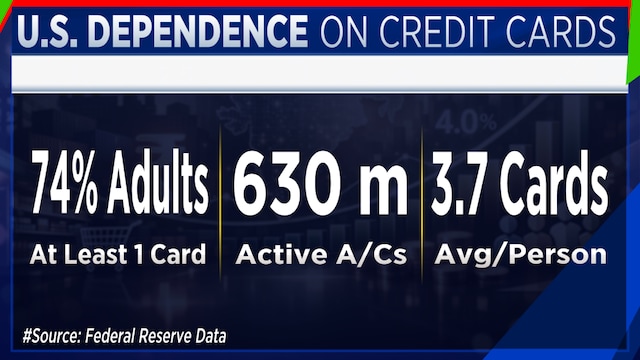
In 2024, consumers paid approximately $160 billion in credit card interest. For those who don’t pay off their full bill monthly, a 10% interest cap could result in substantial savings — potentially cutting interest expenses by billions across the economy.
Also Read: RBI data reveals growing credit card spending, but the pace slows post-festive season
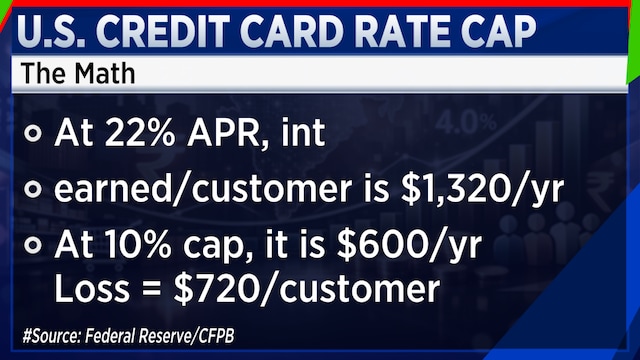
However, the repercussions for banks would be considerable. Federal Reserve data indicates that the average US credit card annual percentage rate (APR) ranges from 22% to 24%. The typical revolving balance — the amount customers carry forward — is around $5,500 to $6,000. At a 22% APR, banks make about $1,300 per customer annually in interest. With a 10% cap, that figure would drop to about $600, posing a loss of over half their interest income per customer.
When scaled up, the implications grow even more significant. A major card issuer with 10 million customers who maintain balances could see its annual interest revenue diminish by as much as $7 billion. This substantial financial impact is one of the main reasons why the proposal has met strong opposition from banks and financial institutions across the US.
The proposal has also stirred discussions about whether similar actions could occur in India. In India, credit card interest rates tend to be much steeper, often between 36% and 48% annually, depending on the lender. While the Reserve Bank of India can indirectly influence lending rates, implementing a blanket interest rate cap of 10% would be groundbreaking. Such a measure would most likely necessitate legislative support, comprehensive consultations with banks, and would likely face significant pushback from the financial sector.
Also Read: Donald Trump proposes 10% cap on credit card interest rates for one year: Key points explained
At present, Trump’s proposal highlights the increasing political attention on household debt and consumer expenses in the US — but whether it will evolve into actual policy remains uncertain.
For the complete interview, watch the accompanying video
Catch all the latest updates from the stock market here