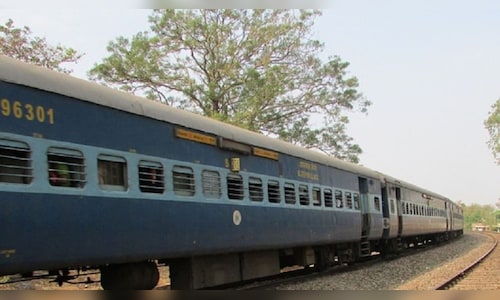
In response to a question from Congress member MK Vishnu Prasad in the Lok Sabha about the potential restoration of rail ticket discounts for senior citizens, which were available before the COVID-19 pandemic, Vaishnaw highlighted that ticket prices in India are roughly five to ten percent of those in developed countries.
“Even when compared to neighboring nations, our ticket pricing remains exceptionally affordable,” the minister remarked during the Question Hour. He added that Indian Railways offered approximately Rs 60,000 crore in subsidies last year to keep passenger transport costs manageable.
Also read | Railways launches special Vande Bharat trains on the Delhi-Udhampur route for three days amid flight cancellations
“Compared to our neighboring countries, India delivers the most economical transportation for its citizens,” Vaishnaw emphasized.
On the subject of cost comparisons between Hydrogen-fuelled trains and traditional systems, Vaishnaw noted that such a comparison is premature. Since the Hydrogen-fuelled train set and its infrastructure are still in the pilot phase, it wouldn’t be fair to directly compare costs with established train systems at this time, he stated in a written response to the Lok Sabha on Wednesday.
When asked about the timeline for launching green hydrogen-fuelled trains and whether they are more expensive than those powered by other sources, Vaishnaw reiterated that Indian Railways is undertaking a cutting-edge project to operate its first hydrogen train on a pilot basis.
He explained that operations will adhere to specifications developed by the Research, Design & Standards Organisation (RDSO) to showcase hydrogen-powered train technology within the Railways.
Also read | UP’s 15th Vande Bharat train begins operations from December 9: Check details
“The manufacturing of the Hydrogen Train set has been completed. A hydrogen plant is being established at Jind to supply hydrogen for this train set. In this facility, hydrogen is generated using an electrolysis process, which is a crucial component of green hydrogen production,” Vaishnaw concluded.