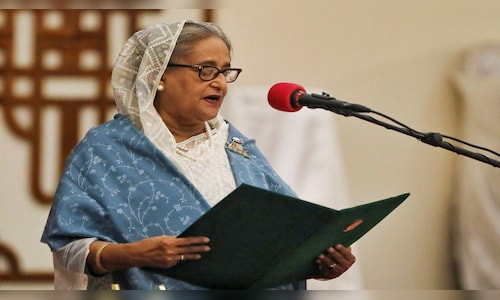
Highlighting the mass rape of Bangladeshi women in 1971, Hasina asserted that the ideological forces responsible for those crimes are once more gaining ground amid political turmoil. “The violence we’re seeing today — the targeting of minorities, the aggression against women, the attempts to erase our liberation history — are disturbing echoes of 1971,” she stated, emphasizing that Bangladesh was founded specifically to counter such forces and to ensure safety, dignity, and equality for all its citizens.
Hasina underlined that the struggle led by the Awami League has molded Bangladesh into a secular state with constitutional safeguards for women and minorities, values she contends are now under threat. She argued that instability and weak leadership foster an environment where extremist ideologies, both domestic and foreign, may reemerge. While advocating for a stable and constructive relationship with Pakistan, she insisted that such engagement must be rooted in historical truth and national interests, rather than expediency or denial of past atrocities.
During the discussion, Hasina also criticized the Yunus administration, claiming it lacks democratic legitimacy and has failed to safeguard vulnerable communities. She cautioned that suppressing political opposition, silencing dissent, and undermining judicial independence could further damage social unity. “We also need strong leadership: not just to protect our nation, but to ensure the safety of those within it,” she remarked.
The former prime minister expressed her belief that Bangladesh’s democratic spirit will ultimately prevail, referencing the country’s history of resistance against authoritarianism. She reiterated that the legacy of 1971 is not just a historical memory, but a moral imperative for the state, one that requires leaders to uphold human rights and resist any resurgence of the ideologies that once plunged the nation into violence and trauma.
First Published: Dec 22, 2025 11:36 PM IST