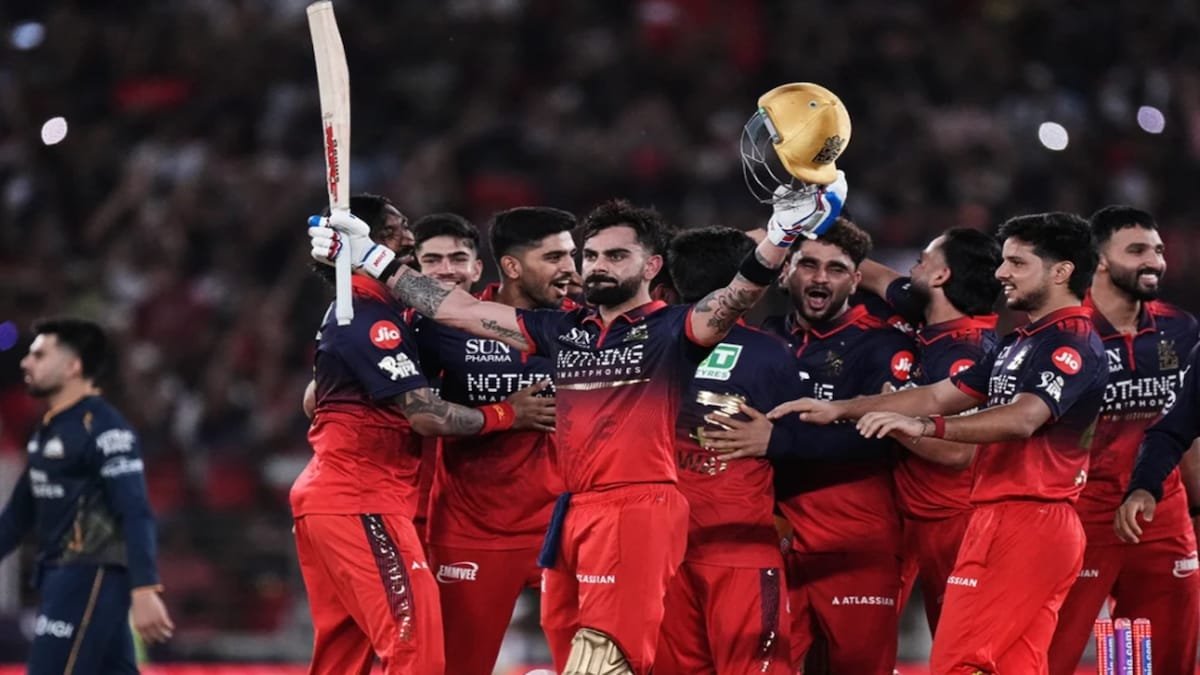
As franchise values surge and commercial income continues its upward trajectory, the IPL has crafted a business model that extends well beyond traditional cricket…

 1/8
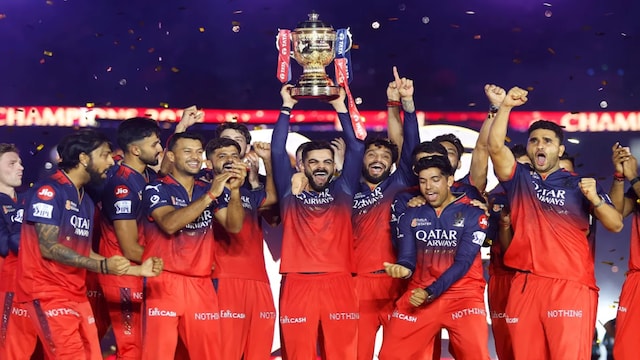
1/8The Indian Premier League (IPL) stands as one of the most valuable sports entities globally, drawing in investors worldwide and captivating millions through various media platforms. As franchise valuations hit record highs and commercial revenues keep climbing, the IPL has established a robust business model that transcends standard cricket play. Here are some insights into its evolution into a $20.6-billion powerhouse and its remarkable commercial achievements, as analyzed by Houlihan Lokey.
 2/8
2/81. By 2026, the IPL’s business worth reached $20.6 billion, reflecting a 34% increase since 2023. In the same time frame, the league’s brand value escalated from $3.2 billion to $4.3 billion, highlighting its growing commercial attraction and solidifying its status as one of the fastest-growing sports entities globally, spurred by media rights and heightened interest. (Data Source: Houlihan Lokey)
 3/8
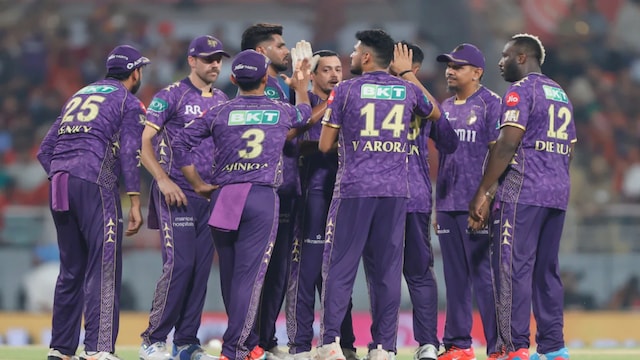
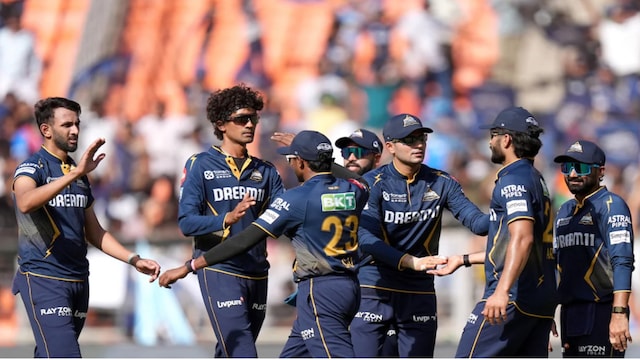
3/82. Teams within the IPL have emerged as some of the most valuable sports franchises worldwide. In 2026, Royal Challengers Bengaluru led as the most valuable team with a worth of $312 million, followed by Mumbai Indians ($264 million), Kolkata Knight Riders ($245 million), and Chennai Super Kings ($244 million). (Data Source: Houlihan Lokey)
 4/8
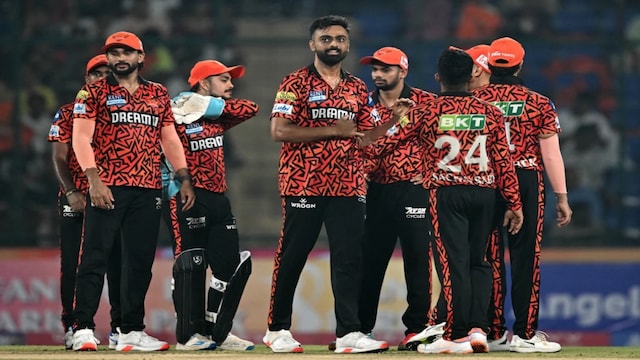
4/83. Recent franchise transactions have highlighted the IPL’s escalating valuations. The Royal Challengers Bengaluru were valued at $1.78 billion in 2026 upon being sold to a consortium led by Aditya Birla Group, while Rajasthan Royals changed ownership for $1.65 billion. A year prior, Torrent Group became the majority stakeholder in Gujarat Titans, valuing the team at $0.90 billion. (Data Source: Houlihan Lokey)
 5/8
5/84. The IPL generates revenue through various commercial avenues, not solely through ticket sales. The largest share of income arises from broadcasting rights, while central sponsorships contribute through title partners and official agreements. Additionally, teams earn from jersey sponsorships, ticket sales, merchandise, and licensing, supported by the remarkable growth of digital and OTT platforms, which significantly impact sports consumption in India. (Data Source: Houlihan Lokey)
 6/8
6/85. There’s a noticeable shift in the IPL’s audience towards the online space. Research indicated that by 2026, digital viewership soared to 652 million, with OTT and mobile platforms comprising about 44.8% of the total IPL viewership. In contrast, cable television accounted for 24.1%, while broadcast and DTH contributed 20.1%. (Data Source: Houlihan Lokey)
 7/8
7/86. Despite the rise of digital audiences, television viewership has experienced a downturn recently. Average viewers per match dropped from 10.6 million in 2025 to 7.86 million in 2026, and total unique viewers decreased from 123.96 million to 113.61 million. Additionally, the number of TV advertisers fell from 65 to 45, reflecting a broader transition in audience preferences and advertising allocations towards digital channels. (Data Source: Houlihan Lokey)
 8/8
8/8The combination of solid media-rights agreements, sponsorship revenues, soaring franchise valuations, and the rapid rise of digital consumption has made the IPL one of the globe’s premier sports leagues. As fan engagement evolves and new investors continue to enter the scene, the IPL’s commercial expansion seems poised for further growth.