The retrieval of the remains of renowned British-Nepali climber Nirmal Purja “Nimsdai” along with three others followed a tragic avalanche on Pakistan’s…

 1/8
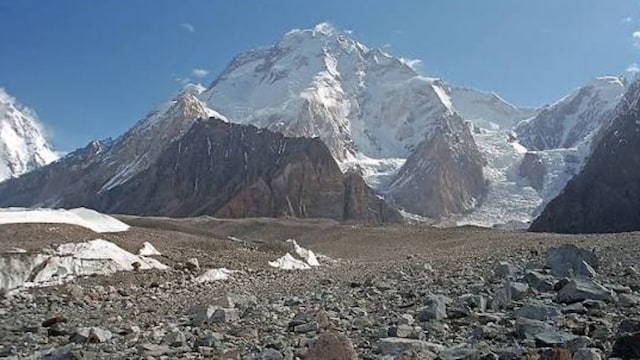
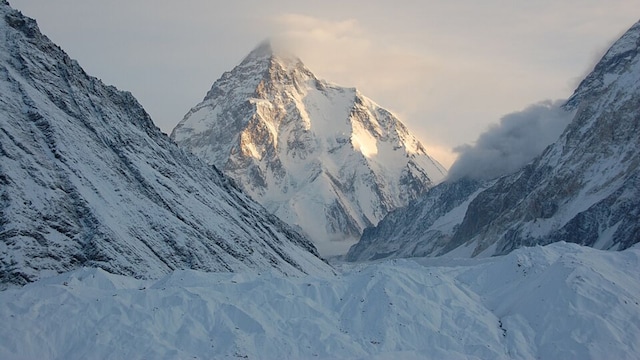
1/81. Broad Peak (Pakistan): At 8,047 metres (often recorded as 8,051 metres), Broad Peak ranks as the 12th highest mountain globally and is situated near K2 in the Karakoram range. Though less complex than K2, it presents significant dangers from avalanches, profound crevasses, shifting weather, and the oxygen-deficient death zone above 8,000 metres. The recent avalanche that led to the demise of esteemed climber Nirmal Purja and others underscores the mountain’s perilous nature. (Image: Wikimedia Commons)
 2/8
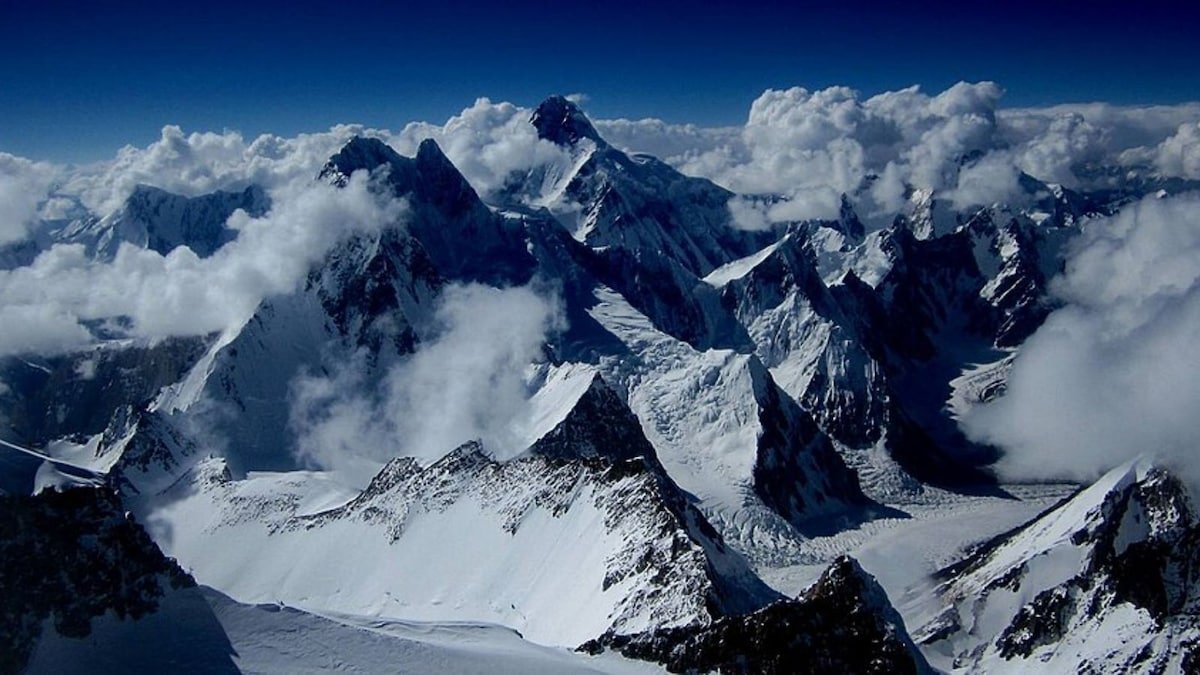
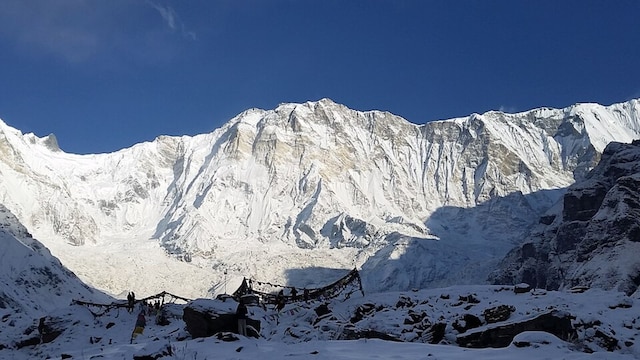
2/82. K2 (Pakistan–China): At 8,611 metres, K2 stands as the second highest mountain in the world and is often seen as the most challenging 8,000-metre peak to summit. Its perilous ice faces, fierce storms, routine avalanches, and intricate climbing routes have earned it the label “Savage Mountain.” Experienced climbers encounter significant risks on every venture. (Image: Wikimedia Commons)
 3/8
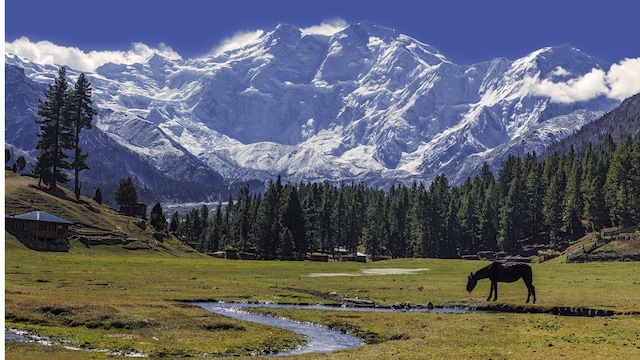
3/83. Annapurna I (Nepal): At 8,091 metres, Annapurna I is infamous for being one of the most lethal mountains for climbers. Persistent avalanche risks, inconsistent snow conditions, and technically demanding ascent routes have cemented its status as one of the world’s most perilous peaks, despite improvements in climbing gear and weather prediction. (Image: Wikimedia Commons)
 4/8
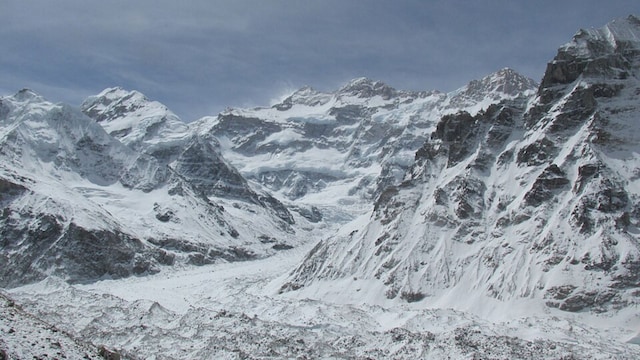
4/84. Nanga Parbat (Pakistan): Dubbed the “Killer Mountain,” Nanga Parbat rises to 8,126 metres. Climbers contend with rockslides, avalanches, severe weather, and the intimidating Rupal Face—the highest mountain face in the world—making every attempt a daunting endeavor. (Image: Wikimedia Commons)
 5/8
5/85. Kanchenjunga (Nepal–India): At 8,586 metres, Kanchenjunga ranks as the third highest mountain worldwide. Its steep ice slopes, frequent avalanches, unpredictable weather patterns, and intricate climbing routes render it one of the hardest peaks to conquer. Additionally, many climbers halt just before the actual summit due to respect for local religious customs. (Image: Wikimedia Commons)
 6/8
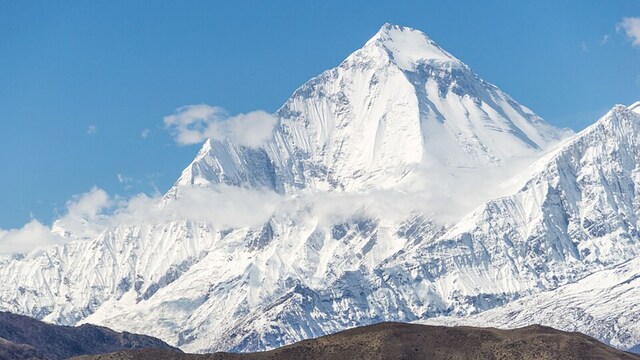
6/86. Dhaulagiri I (Nepal): Standing at 8,167 metres, Dhaulagiri I is recognized for its steep snow fields, avalanche-susceptible terrain, and rapidly fluctuating weather. Its secluded positioning and the technical nature of its climbing routes complicate rescue efforts during emergencies. (Image: Wikimedia Commons)
 7/8
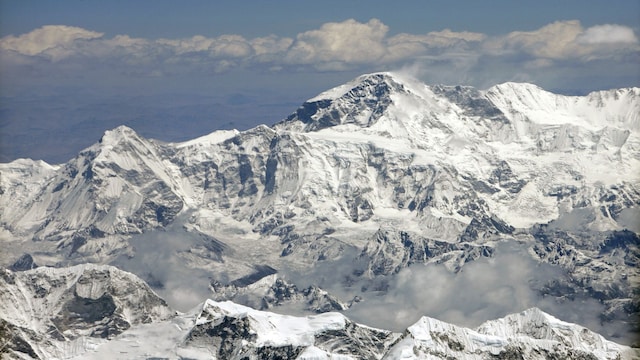
7/87. Makalu (Nepal–China): At 8,485 metres, Makalu ranks as the fifth highest mountain in the world. Its distinct pyramid shape, exposed ridges, fierce winds, and challenging rock and ice climbing segments classify it as one of the most technically demanding peaks exceeding 8,000 metres. (Image: Reuters)
 8/8
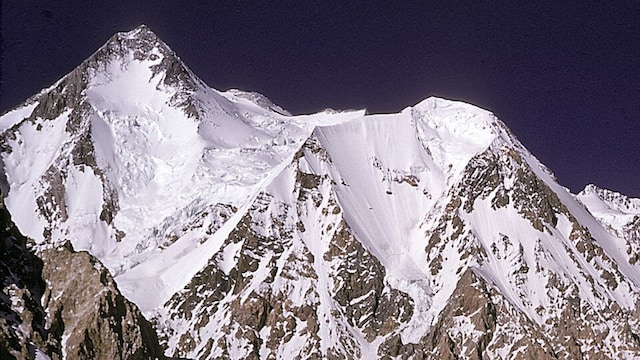
8/88. Gasherbrum I (Pakistan–China): At 8,080 metres, Gasherbrum I stands as another formidable giant of the Karakoram range. Climbers must navigate through deep crevasses, avalanche-susceptible slopes, severe weather conditions, and extreme altitude risks, positioning it among the toughest high-altitude expeditions worldwide. (Image: Wikimedia Commons)