The lawsuit was initiated in federal court on Monday, just days before the law is scheduled to be enforced this Saturday, marking Minnesota as the first state to attempt to ban the rapidly emerging technology that enables the creation of fake nude images of actual individuals using AI. This legislation was enacted in May.
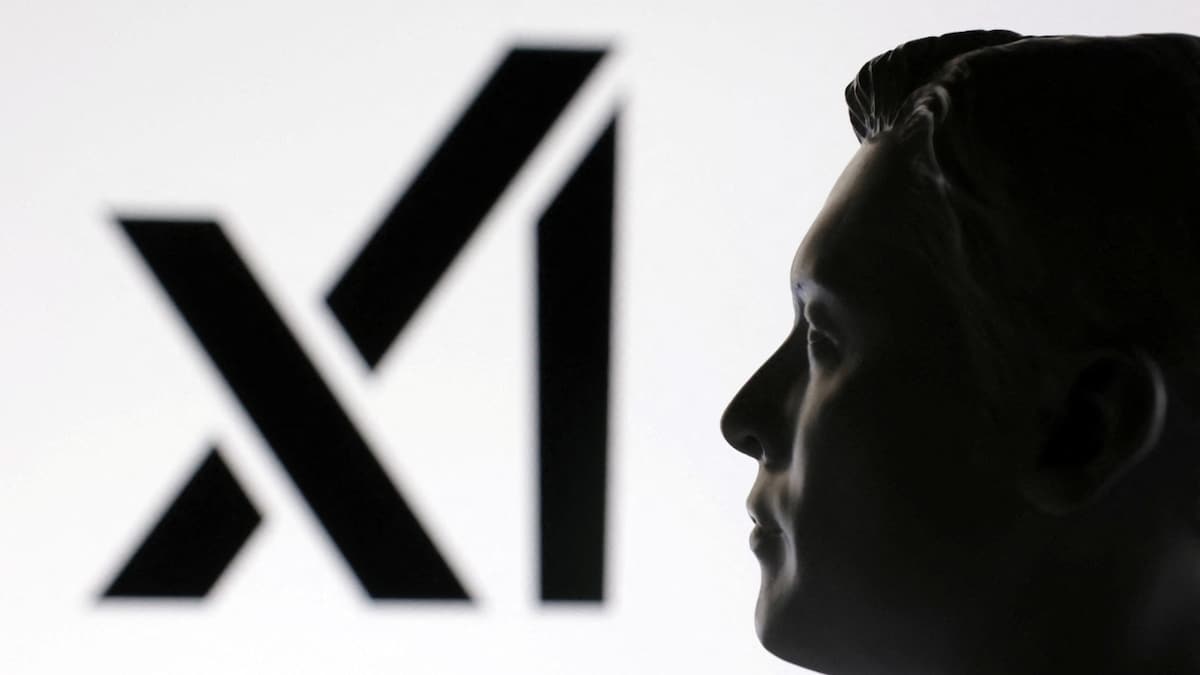
In the 38-page lawsuit, xAI — the creator of the Grok AI model chatbot and image generator, which is available on the social media platform X, formerly Twitter, and other platforms — acknowledged the state’s legitimate interest in prohibiting the distribution of AI-generated nude images of individuals without consent. However, it argued that Minnesota’s law “extends far beyond that goal,” prohibiting many images and videos that are constitutionally protected and imposing a hefty penalty of $500,000 per violation on the company.
The lawsuit contends there is no “safe harbor” provision for companies making good-faith efforts to prevent the creation of such images by users, and that it encompasses images for which consent was given or even those created by the individual depicted.
It further suggests that the law’s definition of “intimate part” is excessively broad, encompassing body parts typically shown in public settings.
In response, Minnesota Attorney General Keith Ellison stated that his office had not yet received or reviewed the lawsuit.
“However, I find the use of AI to generate nude images of individuals without their consent to be unacceptable. While there are many important discussions to have regarding AI policy, this is not one of them. AI nudification strips the individual of their dignity and can cause significant emotional, personal, and professional harm,” Ellison commented.
State legislation concerning election deepfakes has exhibited mixed outcomes in courts. For instance, California’s law was halted due to First Amendment protections. So far, Minnesota’s law has withstood a legal challenge from Musk’s company in 2025.
This law is separate from existing state and federal regulations that ban deepfakes and AI-generated sexually explicit images without consent. Those regulations typically penalize the individuals who create these images rather than the developers of the tools. Additionally, the federal Take it Down Act, enacted last year, mandates that websites and apps establish a procedure for removing these images.
Last year, Texas approached nudification in a slightly different manner. It imposed civil liability on website or app owners for damages from individuals featured in nudified images, alongside potential criminal charges, if they were aware that the person did not consent to the creation and failed to remove it swiftly upon notification.
In its lawsuit, xAI stated that the terms of service for Grok prohibit its use for “any illegal, harmful, or abusive activities” that infringe upon privacy, including modifying images to nudify individuals or present them in sexually explicit scenarios. It claimed to enforce these rules through account suspensions or terminations, as well as reporting suspected child sexual abuse content.
XAI emphasized earlier this year its “zero tolerance for any forms of child sexual exploitation, non-consensual nudity, and unwanted sexual content.”
Following global backlash against sexualized images of women and children, Grok announced in January that it would geoblock content violating local laws, preventing users from editing photos of individuals in revealing attire in regions where such actions are illegal. Grok’s “spicy mode” had previously allowed users to generate explicit content, triggering criticism from governments worldwide.
“We have implemented technological measures to prevent the Grok account from enabling the editing of images of real individuals in revealing outfits such as bikinis, underwear, and other suggestive attire,” xAI stated in a January announcement.