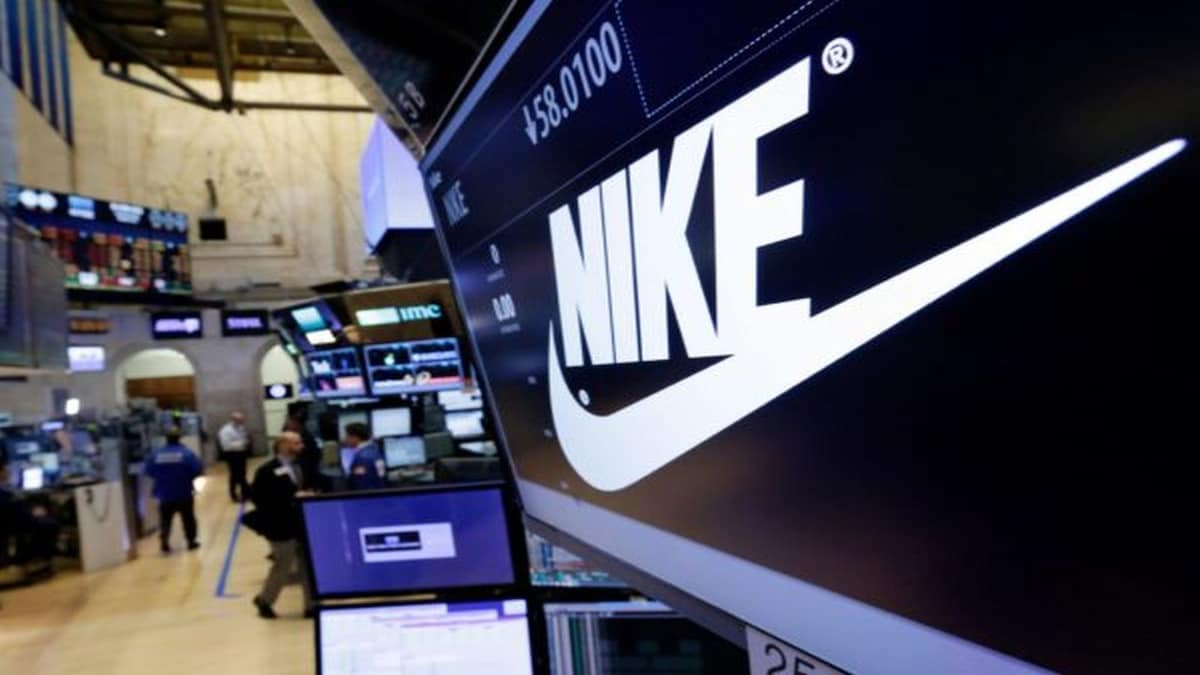
By limiting online sales through wholesale distributors, the company aims to regain the trust of Chinese consumers and sell its products at full price, according to Cathy Sparks, vice president and general manager of Greater China.
Beginning in January, major sportswear retailers in China will cease online sales of Nike’s apparel and footwear, shifting their focus to in-store transactions, Sparks informed Reuters. Nike’s products will now be sold through newly established Nike-branded digital storefronts on popular Chinese e-commerce platforms Tmall, JD.com, and Douyin, in addition to Nike’s website and app.
“Our marketplace has become extremely fragmented and cluttered,” stated Sparks, a 25-year veteran of the company who was appointed to lead operations in China earlier this year. “Consumers are seeking an experience that is premium, authentic to the brand, trustworthy, and seamlessly connected between digital and physical channels.”
CHINA SALES DECLINE PERSISTS
China, Nike’s third-largest market, continues to be a significant concern for the world’s leading sportswear brand. The transition to e-commerce is part of a wider initiative to spark growth.
Sales in Greater China fell by 17% on a constant-currency basis in the fourth quarter, as reported last month, worsening from a 10% decline in the preceding quarter. Fast-growing local competitors Anta and Li Ning have encroached on Nike’s market share, along with foreign brands such as On and Hoka gaining traction.
Nike’s challenges in China have highlighted to investors that CEO Elliott Hill’s turnaround strategy still encounters considerable hurdles. Over nearly two years in leadership, Hill has emphasized a return to sports, the rebuilding of wholesale relationships in North America, and the introduction of new products.
The majority of Nike’s 16 store partners in China, who operate thousands of Nike locations, will halt online sales, as confirmed by a Nike spokesperson.
Topsports, a leading Chinese sportswear retailer that derives 22% of its revenue from online Nike sales, is among the affected distributors.
The company’s board anticipates a “significant” short-term adverse impact, Topsports mentioned in an exchange filing in Hong Kong on Wednesday. Nevertheless, Topsports remains “committed to closely collaborating with Nike on offline sales arrangements,” it stated.
After local news reports surfaced regarding the potential e-commerce changes in June, BNP Paribas senior analyst Laurent Vasilescu remarked that this move could be a “strategic misstep” that would benefit competitors.
“Nike doesn’t have a distribution issue in China or elsewhere. It has a product issue,” Vasilescu noted in a research commentary. Sparks also indicated that creating products more aligned with the preferences of Chinese consumers is a priority for Nike. The company has appointed a vice president for local product creation in Greater China, she added.
Read More: Novo Nordisk sues Lilly, claiming misleading ads in weight-loss drug battle