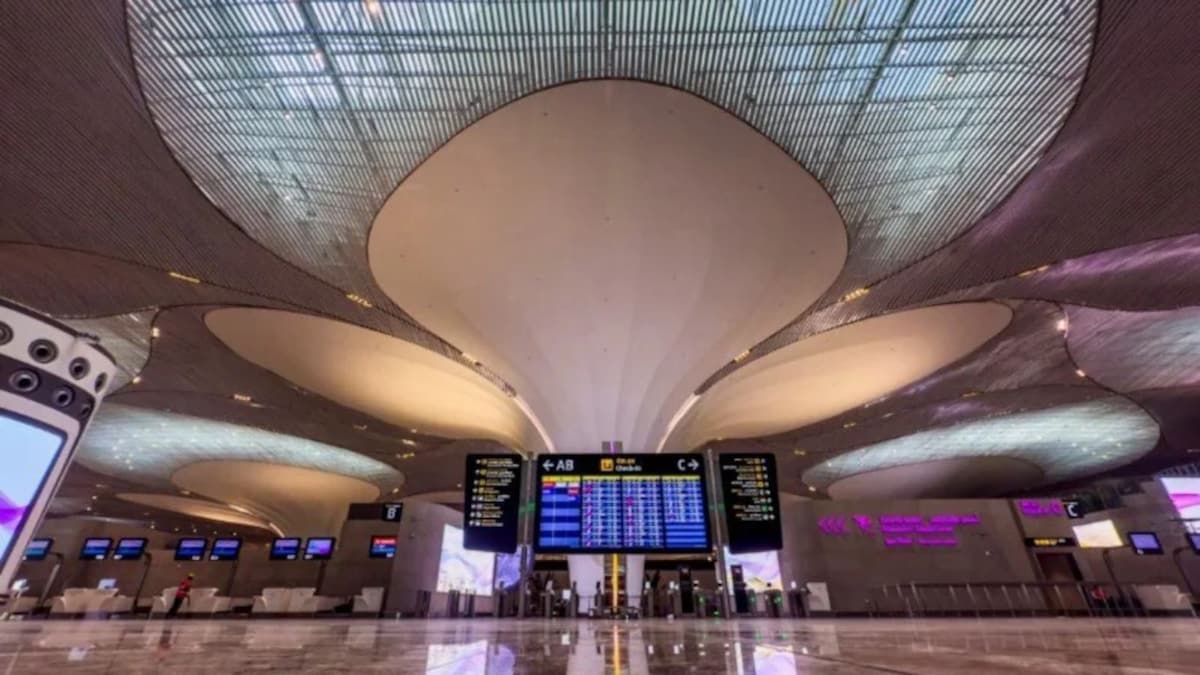
Air India Express became the first airline to operate an international service from the airport on Wednesday, connecting Navi Mumbai to Abu Dhabi with a thrice-weekly schedule. This launch signifies the start of international operations at India’s latest greenfield airport and establishes Mumbai’s second international entry point.
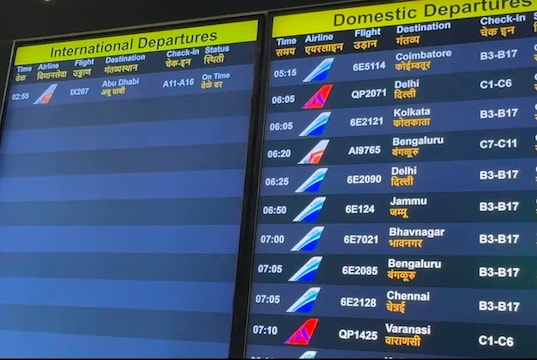
The Abu Dhabi route carries significant implications. Gulf destinations have historically been among the first international markets targeted by Indian airlines when expanding their overseas operations, given the robust demand for business, labor, and leisure travel. By selecting Abu Dhabi as its inaugural international destination, Navi Mumbai Airport is entering one of the most active travel corridors for Indian passengers.
“The launch of our first scheduled international flight signifies a new era in Navi Mumbai International Airport’s journey,” stated Arun Bansal, Chief Executive Officer of Adani Airport Holdings Ltd. (AAHL). “As we broaden our network with additional airline partners and destinations, we remain committed to providing seamless operations and an outstanding travel experience while enhancing Navi Mumbai’s status as a favored gateway for international travel.”
For Air India Express, this launch is part of its dual-airport strategy for the Mumbai Metropolitan Region.
“We are excited to kick off international operations from Navi Mumbai with direct flights to Abu Dhabi, creating a new, convenient gateway to the UAE for travelers from the Mumbai Metropolitan Region,” remarked Nipun Aggarwal, Chairman of Air India Express.
Since its opening last December, NMIA has linked 46 domestic destinations, served over 2.3 million passengers, and currently manages about 150 aircraft movements each day.
The inaugural international flight is also transporting the airport’s first global perishable export shipment, signaling the start of international cargo operations and providing a new channel for time-sensitive exports.
Local accessibility to Navi Mumbai airport poses challenges
Despite the airport’s rapid expansion of its aviation network, passengers are still encountering difficulties in reaching it.
Numerous planned road and public transport connectivity projects are in development, leaving many travelers reliant on private vehicles and app-based taxis. Depending on their starting point in Mumbai, taxi fares to the airport can be considerably higher than those to Chhatrapati Shivaji Maharaj International Airport, making last-mile connectivity a significant issue that authorities must address as passenger traffic increases.
Enhancing access to the airport is expected to become increasingly crucial as more airlines establish services and passenger volume rises.
What lies ahead for Navi Mumbai airport?
The initiation of the Abu Dhabi flight is anticipated to be just the first among several international routes from Navi Mumbai. Nonetheless, the subsequent phase of the airport’s development will be observed closely.
With ongoing geopolitical uncertainties in parts of West Asia, the rate at which airlines expand to new Gulf destinations will remain under scrutiny. Industry analysts will also monitor which international destinations will join the network next, how rapidly other Indian carriers will commence overseas services from Navi Mumbai, and when foreign airlines will decide to operate from the airport.
These choices will ultimately dictate how swiftly Navi Mumbai International Airport transitions from a new facility to a major international hub for western India.
Read more: Funding the fundamentals: What airlines are getting wrong