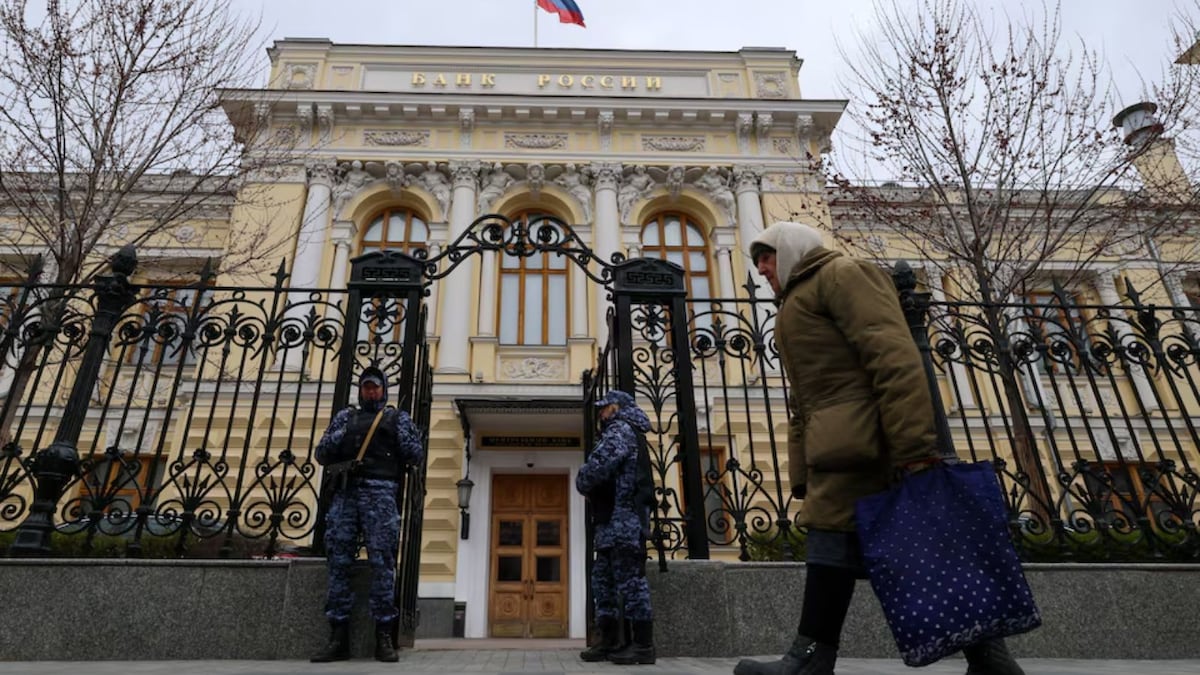
The two-page document, prepared recently to update European officials on the status of Russian banks, highlights their vulnerability to additional Western restrictions.
While Russia’s banks have largely managed the sanctions imposed since Moscow’s full-scale invasion of Ukraine in 2022, the report from June indicates that increasing bad loans and rising household debt pose an “explosive” risk, coinciding with the EU’s push to finalize a 21st sanctions package in July, aimed at the banking sector and cryptocurrency networks.
The Russian central bank opted not to comment on the findings, though it has downplayed the potential for a substantial banking crisis.
With the financial strains of a four-year conflict with Ukraine depleting state resources, Russia has relied heavily on its banks to assist businesses and borrowers. The report notes that this reliance has burdened banks with significant risks as the economy hangs in the balance.
The Economy Ministry has revised its gross domestic product growth forecast down to 0.4% for 2026, a decrease from a previous expectation of 1.3%, and to 1.4% for 2027, down from 2.8%.
Titled “Note on the probability of a banking crisis in Russia in 2026,” the intelligence report indicates that banks have been compelled to issue subsidized loans to defense-related companies, homebuyers, and other sectors. It emphasized that state-supported credit programs, loan restructurings, and government initiatives obscure the banks’ underlying vulnerabilities.
“This situation creates a façade of economic dynamism, which, in reality, conceals a volatile environment that a significant economic shock, like an aggressive sanctions package against banks… could instigate,” observed the report.
Increased lending to defense contractors, state-backed projects, and homeowners has heightened the volume of loans likely to go unpaid, according to the authors.
The report estimates that around 10% of corporate loans are questionable, a considerable rise from 2024, while certain major banks reported retail non-performing loan ratios reaching up to 15% in 2025.
Additionally, it revealed that over 500,000 Russians declared bankruptcy in 2025, marking an increase of nearly one-third from the previous year, as government programs encouraged more than 13 million citizens to take out multiple loans at once.
Filipp Gabunia, Deputy Governor of the Russian central bank, stated last month that “vulnerabilities in the financial sector are not critical,” emphasizing that banks’ capital buffers are at their highest in three years, and that the rate of corporate bad loans has remained steady at 4% over the last 18 months.
According to Chris Weafer, a Russia expert at consultancy Macro Advisory, “Russia’s economy is stagnating, but the influence of the state and defense expenditures means there’s no immediate financial crisis looming.”
“We see Asia ignoring sanctions. Thus, the notion that a new set of sanctions will push Russia into crisis is overly optimistic,” he added, noting that government spending on defense is keeping unemployment rates low and wages elevated.
RUSSIA HAS PROVEN RESILIENT, DESPITE SANCTIONS
The European Union has enacted extensive sanctions against Russia, aiming to undermine bank revenues and constrain international money movement, oil and gas trade, as well as the defense sector.
Russia has struggled yet has shown remarkable resilience, while Europe has frequently encountered challenges in enforcing sanctions due to the absence of a centralized authority.
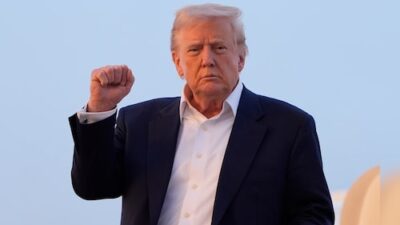
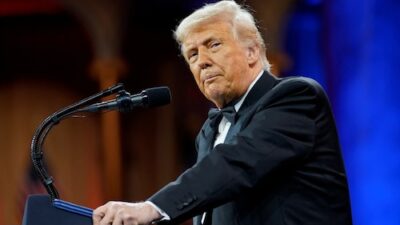
Complicating Europe’s enforcement efforts, the United States, under President Donald Trump, had relaxed certain sanctions, previously providing temporary authorization to sell Russian oil, although that waiver expired in mid-June.
European diplomats are currently contemplating strategies to target banks and cryptocurrency networks, as well as the production of drones, oil trading, and refining activities.
This could lead to the inclusion of numerous individuals and companies on the sanctions list, affecting nearly 90 banks and raising the total of sanctioned lenders to over 100, which constitutes more than half of Russia’s internationally engaged banks.
SBERBANK EXECUTIVE — EVERYONE USED TO SANCTIONS
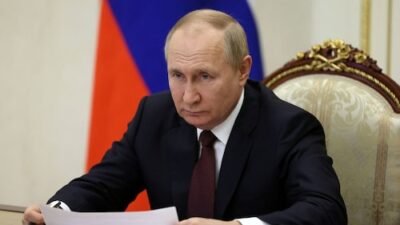
Recently, Russian President Vladimir Putin indicated that Russia would pursue its military goal of completely securing four Ukrainian regions, in spite of the sanctions, dismissing what he claimed was a new proposal from Ukraine intended to reduce hostilities.
Putin also expressed that Russia anticipates a revival of U.S.-led diplomatic initiatives aimed at ending the war once the “hot phase” of the U.S.-Israeli conflict with Iran concludes.
Signs of increased strain are apparent. VTB, Russia’s second-largest bank, plans to bolster its reserves, according to its first deputy CEO, to protect against rising fuel costs and potential loan defaults.
The amount of cash stored outside banks has surged by over 17% year-over-year, now exceeding 19 trillion roubles ($243 billion) in 2023, based on central bank data.
This situation has placed added pressure on banks that rely on deposits for lending purposes.
“All major banks are currently under sanctions… and when they were first imposed in 2022, it caused some stress,” stated Taras Skvortsov, chief financial officer of Russia’s largest bank, Sberbank, in an interview with Reuters.
“By 2026, everyone has adapted to the situation. Many clients of the sanctioned banks may not even be aware of the sanctions.”