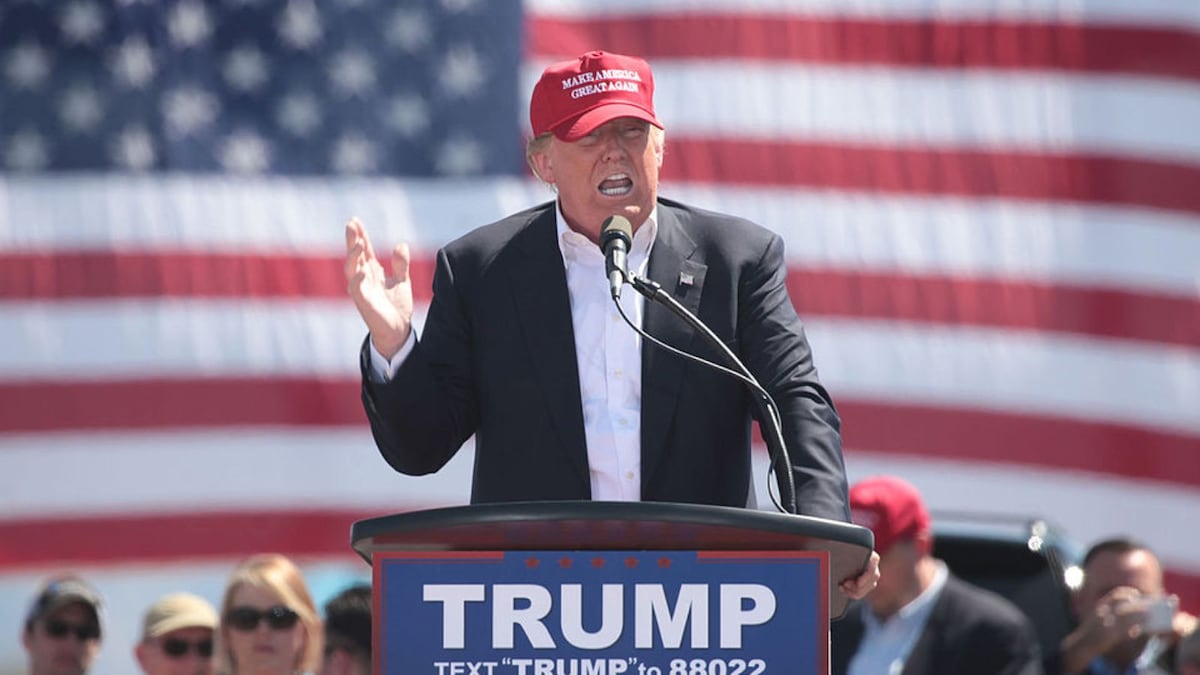
As the United States prepares to mark its 250th Independence Day on July 4, various leaders have inspired the nation. From Patrick Henry’s bold defiance to…

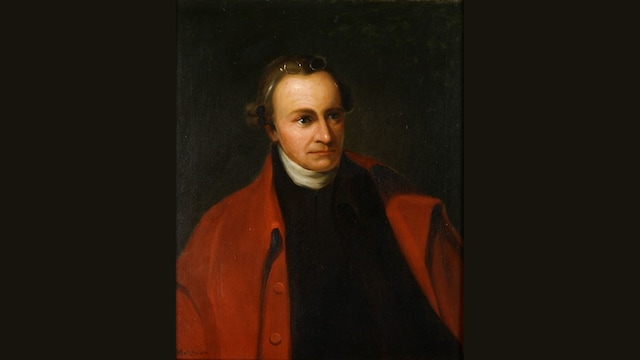
(Photo Credit : Wikimedia Commons)
 1/11
1/11In the throes of the 1775 American Revolution, Patrick Henry proclaimed, “Give me liberty, or give me death!” as leaders in Virginia debated the course of war while Britain tightened its control over the colonies. His impassioned call for freedom galvanized support for independence and became a fundamental rallying cry of the American Revolution.
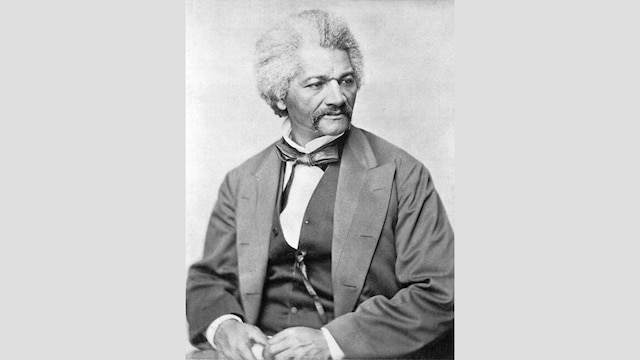
(Photo Credit : Wikimedia Commons)
2/11During the 1852 period of slavery and abolition, Frederick Douglass famously asked, “What, to the American slave, is your Fourth of July?” This statement challenged Americans to reflect on the stark contrast between the nation’s founding principles and the painful reality of slavery.
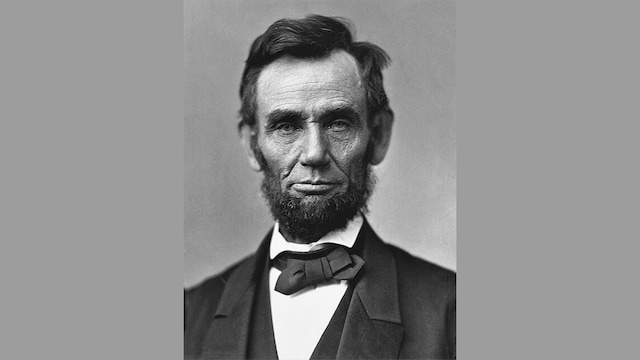
(Photo Credit : Wikimedia Commons)
3/11In 1863, amid the Civil War, Abraham Lincoln remarked, “Four score and seven years ago our fathers brought forth upon this continent a new nation, conceived in liberty, and dedicated to the proposition that all men are created equal.”
(Photo Credit : Wikimedia Commons)
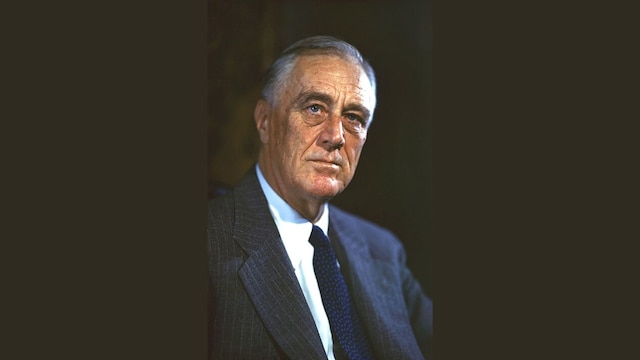
4/11Franklin D. Roosevelt’s speeches influenced critical moments in American history. In 1933 during the Great Depression, he stated, “The only thing we have to fear is fear itself,” which paved the way for the New Deal. Again in 1941, he declared a “date which will live in infamy,” uniting the nation for World War II.
(Photo Credit : Wikimedia Commons)
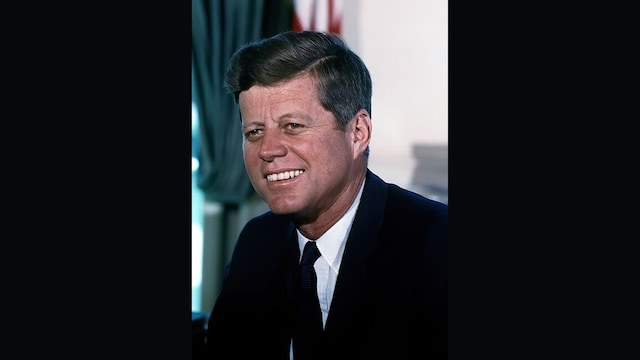
5/11In 1961, during the Cold War, John F. Kennedy inspired his audience with the words: “Ask not what your country can do for you, ask what you can do for your country.” His inaugural speech encouraged citizens to view public service as a vital responsibility.
(Photo Credit : Wikimedia Commons)
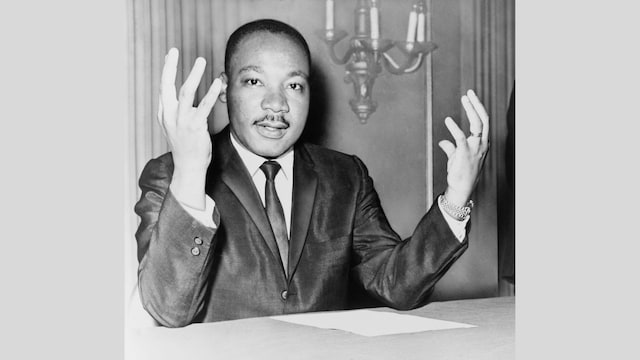
6/11In 1963, amidst the Civil Rights Movement, Martin Luther King Jr. delivered his iconic “I Have a Dream” speech, addressing over 250,000 attendees at the March on Washington for Jobs and Freedom. His dream of racial equality became synonymous with the movement.
(Photo Credit : Wikimedia Commons)
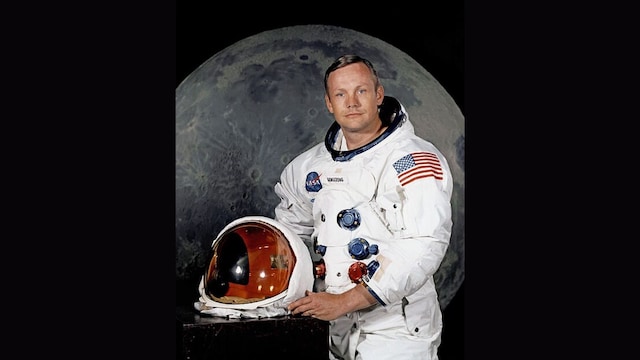
7/11In 1969, Neil Armstrong remarked, “That’s one small step for man, one giant leap for mankind,” as he became the first human to set foot on the moon. This phrase became a powerful emblem of scientific aspiration, technological prowess, and the spirit of exploration.
(Photo Credit : Wikimedia Commons)
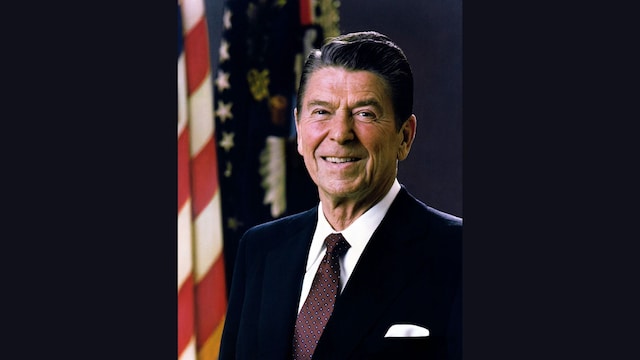
8/11In 1987, in front of the Berlin Wall, President Ronald Reagan called upon Soviet leader Mikhail Gorbachev to “tear down this wall!” This declaration became one of the standout moments of the Cold War.
(Photo Credit : Wikimedia Commons)
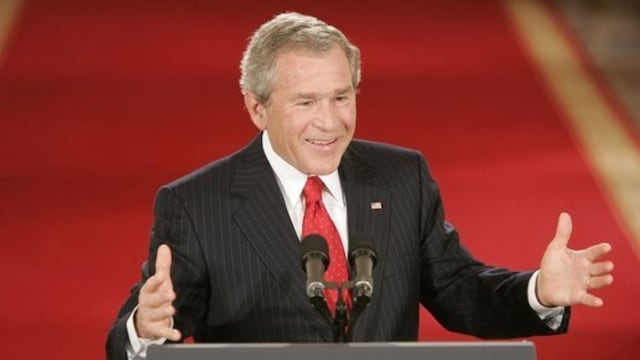
9/11In 2001, just days after the September 11 attacks, President George W. Bush stood with rescue workers amid the wreckage of the World Trade Center and declared, “I can hear you!” This moment symbolized the grief, resilience, and determination resonating throughout the nation.
(Photo Credit : Wikimedia Commons)
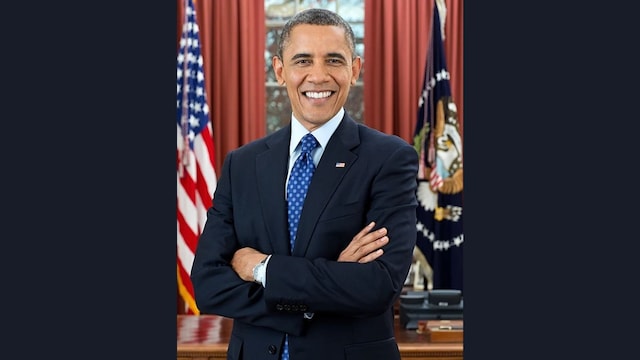
10/11In 2008, Barack Obama was inaugurated as the first Black president of the United States. His slogan, “Yes we can,” resonated during a time of economic challenges and dissatisfaction with politics, becoming a universal symbol of hope.
(Photo Credit : Wikimedia Commons)
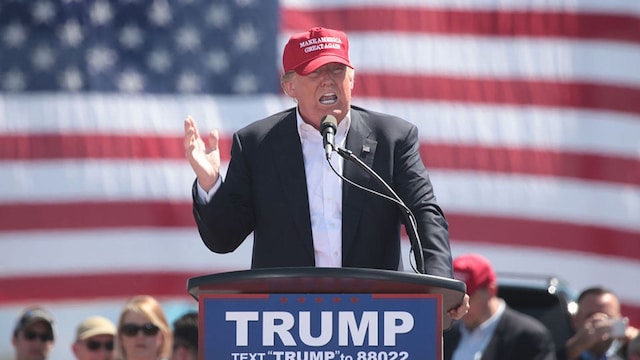
11/11In 2021, following the contentious 2020 presidential election, Donald Trump addressed supporters in Washington, D.C., shortly before thousands marched toward the Capitol. This speech became entwined with the events of January 6, a significant moment in contemporary American history.