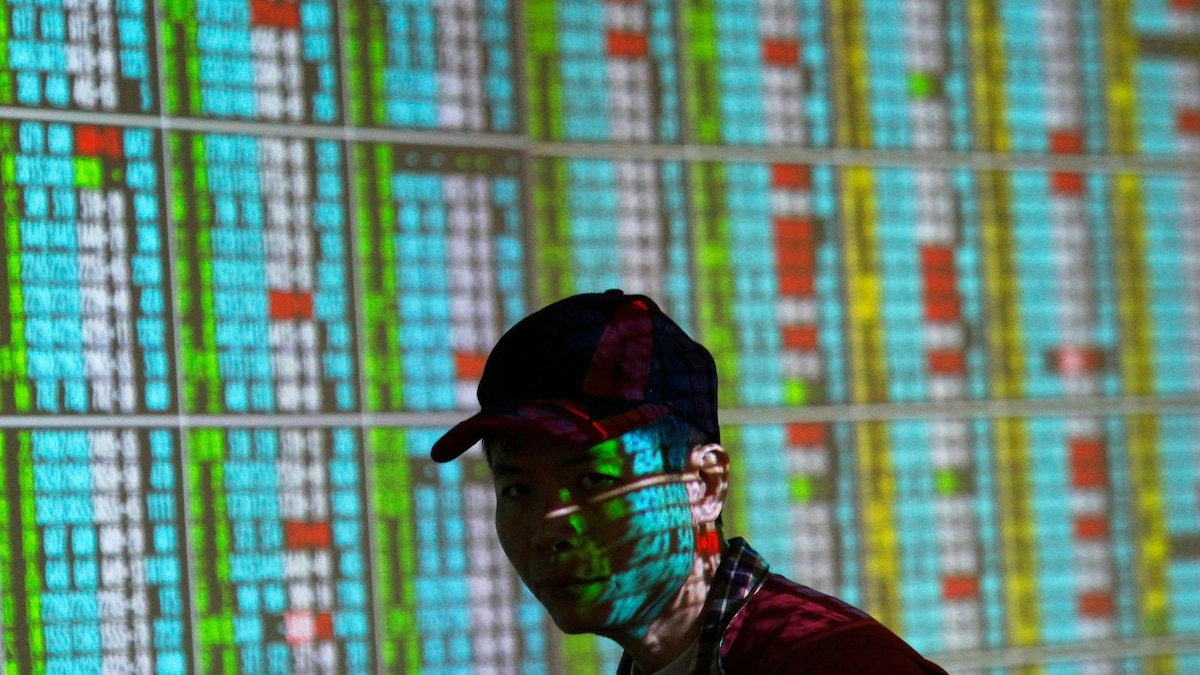
South Korea’s KOSPI stumbled significantly, dropping over 6% in early trading. Japan’s esteemed Nikkei 225 also faced losses, declining by more than 2%.
The MSCI Asia Pacific Index overall fell by 0.9%, with South Korean stocks plummeting more than 5%. Futures for the US stock index dipped by 0.3%. This movement came after a 6.3% drop in a measure of semiconductor stocks and a decline in Wall Street benchmarks the previous day.
With crude oil prices continuing to decline, markets experienced a bit of relief. The price of Brent oil fell by 0.8% to $71 per barrel, marking its lowest point since the US and Israel attacked Iran in late February.
Early trading in Asia saw a stabilization of two-year Treasury yields. Gold kept the gains from the previous session.
The focus remains largely on Federal Reserve Chairman Kevin Warsh, who mentioned that price risks have lessened lately while reaffirming his commitment to achieving the US central bank’s 2% inflation target, as reported by Bloomberg.
Early trading in Asia saw a stabilization of two-year Treasury yields, with gold maintaining its previous rise.
Also Read: Brent crude prices fall below $71 a barrel as traffic flows through Hormuz, talks progress
During his address at the European Central Bank’s annual forum in Sintra, Portugal, Warsh highlighted a reduction in inflation expectations over the preceding month. He also reinforced the Fed’s commitment to restoring price stability, strengthening the notion that decision-makers aren’t rushing to increase interest rates.
Investors found comfort in Warsh’s comments and those from other central bankers indicating that inflation risks have become more balanced, despite ongoing selloffs in semiconductor stocks impacting market confidence.
With Warsh’s remarks easing expectations for a rate hike in July, attention now shifts to the US employment report on Thursday for fresh insights regarding the policy outlook.
(Edited by : Juviraj Anchil)