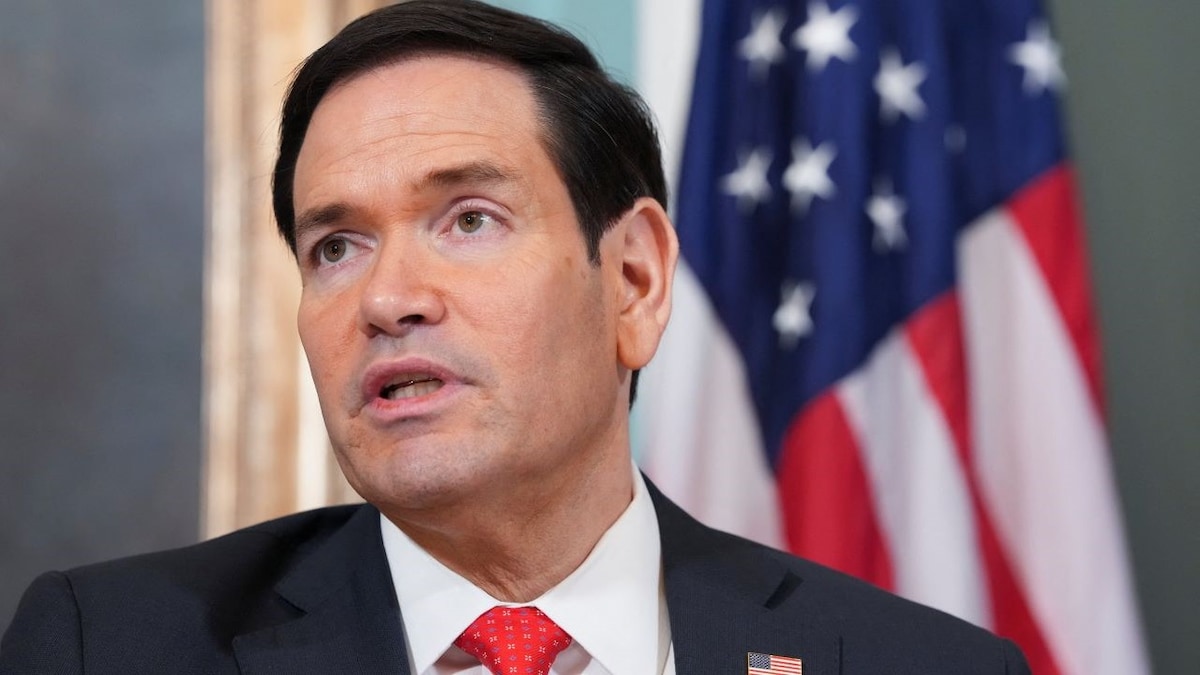
Rubio arrived in Abu Dhabi late Tuesday after two days of intense diplomatic discussions in Switzerland, led by Vice President JD Vance. These talks resulted in what Vance describes as a significant agreement to cease all hostilities in the region, reopen the Strait of Hormuz, and offer sanctions relief, with nuclear program negotiations set to conclude within 60 days.
In the UAE, along with Kuwait and Bahrain—nations that have faced missile and drone attacks from Iran in retaliation for US-Israeli airstrikes—Rubio is set to begin meetings with regional leaders on Wednesday. Some of these leaders have adopted a stance on Iran that is more hardline than that of the Trump administration.
Upon his arrival, Rubio briefly addressed reporters, stating he would clarify the agreement’s benefits to the doubtful Gulf states if it comes to fruition. He remarked that a proposed $300 billion investment fund for Iran would not materialize unless “its leadership decides to be a nation rather than a revolutionary entity that promotes terror.”
Concerns have also been raised about the agreement’s failure to address Iran’s missile program or its support for proxy groups, pushing the nuclear issue to a later stage.
Nevertheless, Rubio asserted that the memorandum of understanding signed last week calls for the “total cessation of hostilities and conflicts in the region,” emphasizing it will necessitate Iran to stop funding proxies such as Hamas in Gaza, Hezbollah in Lebanon, and the Houthis in Yemen.
“The end of hostilities in a region can’t be achieved while Iranian proxies continue to launch missiles and drones from Iraq and engage in terrorism, as seen with Hamas and Hezbollah,” Rubio stated. “Thus, I believe it is included in the MOU, and this matter will be addressed at the suitable moment in the negotiations.”
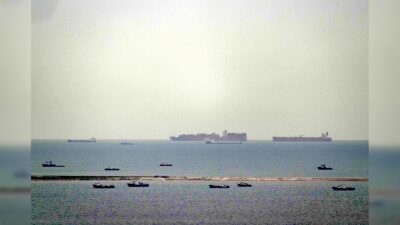
Specifically, the Emiratis have actively called for strong measures to guarantee the reopening of the Strait of Hormuz. There have been mixed reports about the implications of last week’s Memorandum of Understanding for the strait, which the global community wants kept open and free for unimpeded shipping.
The US has taken a firm stance on this issue; however, the Iranians are advancing plans that might impose service fees for passage, which many believe would effectively serve as a toll. Rubio stated that the US would never agree to this.
“This is an international waterway,” he asserted. “No country is permitted to impose tolls or fees on an international waterway. This is consistent with current international law. That’s the reality.”
“I don’t think we need to persuade anyone around here regarding this matter. All countries in this region will agree with us,” he concluded.