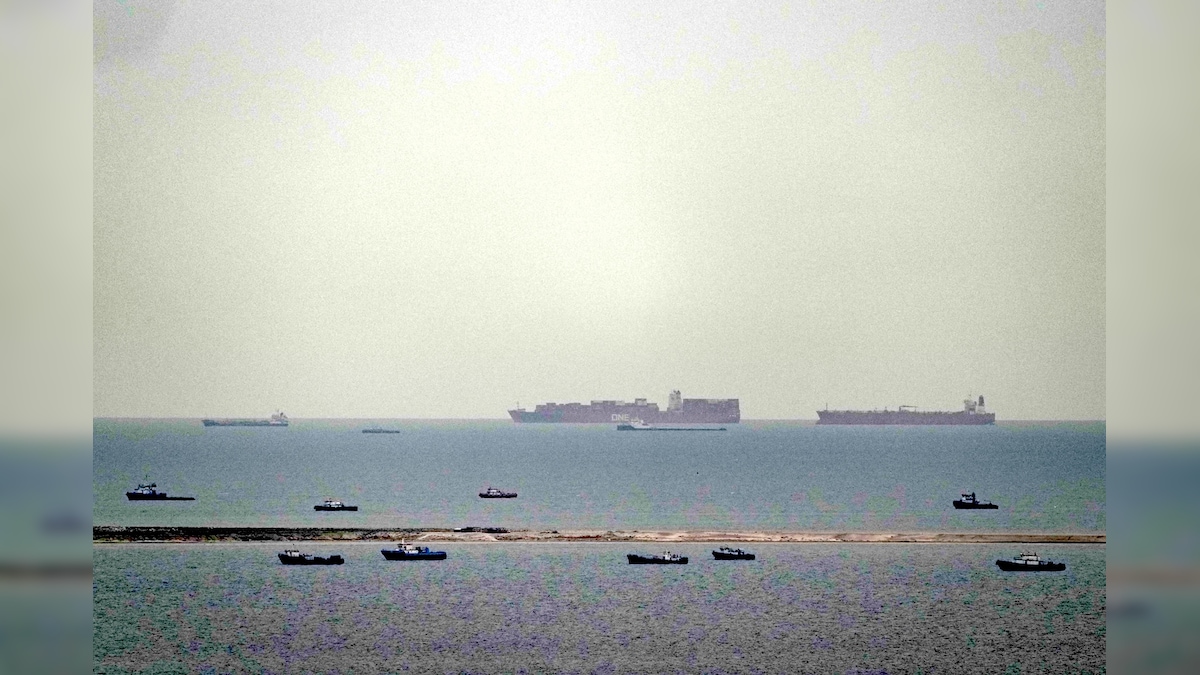
“We have initiated contact with the ships to commence the evacuation,” stated a spokesperson from the U.N.’s International Maritime Organization (IMO), though a timeframe was not specified.
The IMO confirmed that it has obtained essential safety assurances and has assessed the conditions for secure navigation. “This extensive operation will be conducted in close collaboration with Iran, Oman, and other coastal nations in the region, alongside the United States and the maritime industry,” commented IMO Secretary-General Arsenio Dominguez in a statement.
According to an advisory from Oman’s defense ministry, the evacuation process outlined by the IMO, which has been under consideration for months, will be executed in phases. “Considering the heightened risk of collision in the current situation, a gradual and organized evacuation of vessel traffic is necessary,” the advisory noted.
The Omani ministry indicated that the current Traffic Separation Scheme was “not safe for use at this time,” and that two temporary routes to the north and south of the scheme would serve for the evacuation. “Vessels will be contacted individually and informed of their designated transit day by the parties coordinated by IMO,” the advisory stated.
The scheme, established by the IMO in 1968, created routing lanes through the Iranian and Omani waters in the strait. The presence of floating mines presents significant dangers in the waters surrounding Hormuz.