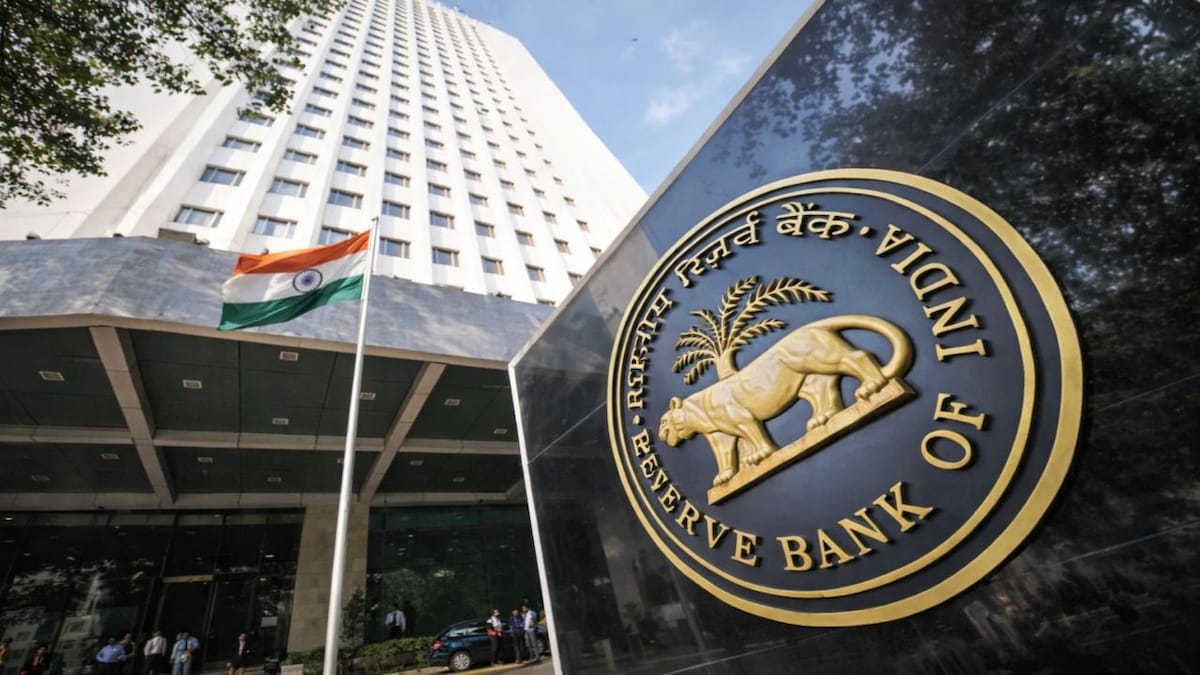
The RBI’s recent move to remove the interest rate cap on fresh foreign currency non-resident (FCNR-B) deposits with tenors of three to five years until September 30 offers banks increased flexibility to set competitive rates, thus facilitating foreign currency deposit inflows, as reported by Crisil Intelligence regarding the Indian banking sector.
The contribution from the rest-of-the-world (ROW) segment, which includes non-resident deposits, is expected to see a slight increase in fiscal 2027, providing additional support to deposit growth, the report mentioned.
In FY26, the portion of ROW deposits fell to 6.2 percent from 7.1 percent noted in FY19.
“Although household deposits continue to be the main funding source, the gradual diversification of the deposit base indicates that other segments may also aid in deposit growth,” noted Crisil Intelligence.
Referencing a similar initiative by the RBI in 2013, the report highlighted that past regulatory actions have resulted in significant rises in non-resident deposit inflows, bolstering foreign currency liabilities and overall system liquidity.
Additionally, the report pointed out that the broader banking system faces the ongoing challenge of enhancing liability franchises, with credit growth surpassing that of deposits.
Total deposits in India’s banking sector witnessed a year-on-year growth of 13.5 percent in FY26, reaching approximately Rs 262 trillion, while the system-level credit-deposit ratio remained above 81 percent.
Crisil Intelligence further observed that deposit balances are concentrated, with the top 10 states representing about 76 percent of system deposits as of March 2026, a figure that is largely unchanged since March 2019. Maharashtra holds the largest share at 23 percent, followed by Delhi, Karnataka, Uttar Pradesh, and Tamil Nadu.