Qatar, acting as a mediator, announced on X that the inaugural high-level meeting involving representatives from the US, Iran, Qatar, and Pakistan has started in the Swiss location of Bürgenstock, on Sunday.
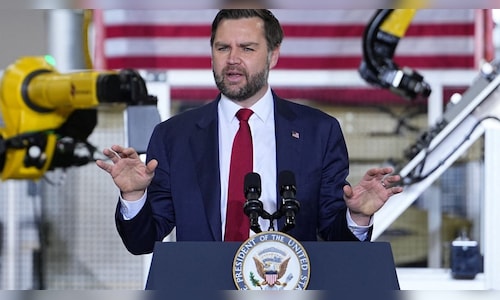
US Vice President JD Vance touched down in Switzerland earlier that day. A recent interim agreement reached last week marked a cessation of hostilities; however, this meeting is expected to initiate extensive discussions covering issues such as Iran’s nuclear capabilities.
Reports from Iranian media indicated a one-day negotiation session, wherein the Islamic Republic’s delegates would initially engage with Qatari and Pakistani officials. Subsequently, Iranian and US representatives would convene in the afternoon with mediators present, as stated by the Mehr news agency, citing a foreign ministry spokesperson.
The stakes are significant, and ongoing clashes between Israel — not part of the temporary agreement — and Iranian ally Hezbollah could jeopardize the diplomatic efforts.
Iran’s semi-official ISNA news organization reported that the primary subjects of the discussions would involve a “comprehensive ceasefire” in Lebanon, demanding Israel’s withdrawal, and the status of billions in Iranian assets held abroad.
On Saturday, Tehran accused Israel of breaching a truce in Lebanon and asserted that the Strait of Hormuz, a vital passage for global energy supplies, would be shut down again. Despite this declaration, oil flow through the waterway remained operational.
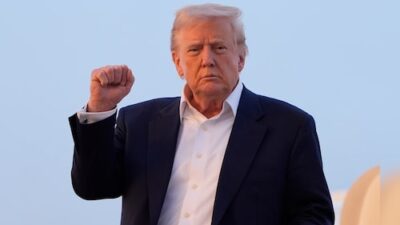
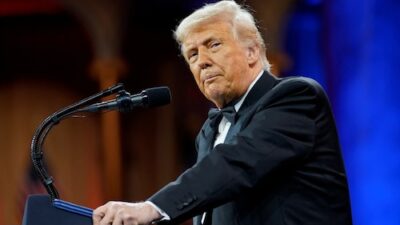
Per the memorandum of understanding signed by US President Donald Trump on Wednesday, both nations have 60 days for negotiations, with the possibility of an extension.
“I can only stay for a day or two,” Vance told the media before leaving Washington. “I hope we’ll make progress on the nuclear issue and the ceasefire in Lebanon.”
The Iranian delegation includes Parliament Speaker Mohammad Bagher Ghalibaf, Foreign Minister Abbas Araghchi, and central bank governor Abdolnaser Hemmati, as reported by state-run IRIB News.
Vance noted the objective is to establish “the actual framework for negotiation,” building on technical discussions in Switzerland involving Jared Kushner and Steve Witkoff, who are Trump’s global negotiators.
Iran’s announcement regarding Hormuz cast a shadow on the talks, but the immediate effects on vessel traffic remained ambiguous. Even prior to the recent ceasefire, millions of barrels of oil had been flowing through the strait daily.
Three fully laden supertankers linked to India resurfaced in the Gulf of Oman on Sunday after signaling an intention to navigate the strait on Friday, based on ship-tracking data from Bloomberg.
The supertankers, each indicating Indian ownership or cargo destined for India, collectively carry nearly 6 million barrels of oil from Iraq and Kuwait. Their moves towards Qeshm island imply they might have followed a route approved by Tehran.
US Central Command reported that commercial shipping traffic in the strait increased on Saturday, with 55 merchant vessels and over 17 million barrels of oil transiting.
Israel, a US ally in the conflict against Iran that began on February 28, has simultaneously conducted operations against Hezbollah in Lebanon. Iran has persistently aimed to connect the conflict there, which has resulted in thousands of deaths and over 1 million displaced individuals, to the broader US negotiations.
Tehran holds the US as having a “direct responsibility” for the situation in Lebanon and Israel’s military actions, as stated by Foreign Ministry spokesman Esmail Baghaei, referring to remarks cited by the IRNA news agency.
Israel has reiterated its commitment to maintain troop presence along its borders until it is confident that Hezbollah, designated a terrorist organization by the US, no longer poses a threat. The Israel Defense Forces have reported targeting a network of underground bunkers believed to be housing Hezbollah fighters.
“There has been, and is, no limitation on the IDF’s actions in Lebanon aimed at eliminating threats,” Israeli Defense Minister Israel Katz remarked on Sunday.
“Our forces remain stationed in the security zone along the Yellow Line in Lebanon and are conducting operations against terrorists and their infrastructure,” he asserted, emphasizing that Israel would not withdraw.
Trump has shown dissatisfaction with Israeli Prime Minister Benjamin Netanyahu regarding previous military actions, suggesting they might undermine the US-Iran negotiations.
“Israel has the right to defend itself,” Vance stated on Thursday. “However, ultimately, the Israelis, like everyone else, must honor this peace process, which is fundamentally beneficial for them and the entire region.”
The US-Iran memorandum has led to Washington lifting a naval blockade on Iranian ports and agreeing to waive sanctions hindering the sale of Iranian crude. In return, Iran committed to reopen Hormuz, a crucial channel for about one-fifth of the global oil and gas supplies.
Tehran, however, cautioned that ships would need its approval and mandatory insurance to transit. The US, Europe, and Gulf Arab nations have expressed hesitance regarding Iran imposing such fees.
On Friday, Trump mentioned that both sides have ample time to reach a permanent agreement while issuing an implicit warning to Iran.
“Otherwise, we will take actions that won’t please them, but I don’t anticipate that will be necessary,” he commented. “I believe it will turn out very positively.”