In contrast, the US customs administration seems to be heading in the opposite direction.
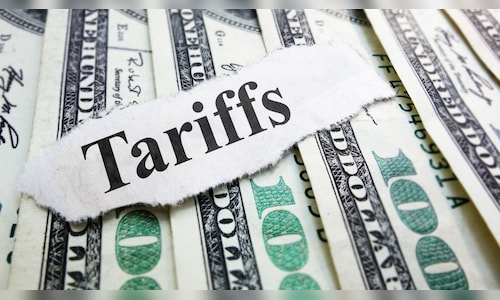
The reciprocal tariffs announced in April 2025 under the Emergency Economic Powers Act aimed at addressing “large and persistent annual US goods trade deficits” set a specific precedent. Tariffs ranging from 11% to 49% were proposed, with higher rates for certain nations. The US Supreme Court questioned the legitimacy of the emergency powers used and subsequently struck it down, leading to the processing of refunds exceeding US$166 billion.
Most recently, on June 3, 2026, an executive order was issued to “strengthen customs enforcement.” This order asserts that customs enforcement is vital to US national security, foreign policy, and economic stability. It emphasizes the necessity for effective customs enforcement to prevent the importation of illegal and dangerous goods, ensure that importers of record (IORs) are accurately identified and held accountable for owed duties, and guarantee compliance with various Federal laws.
The order underscores the urgency for customs reforms, highlighting systemic inefficiencies, loopholes, insufficient enforcement mechanisms, and outdated processes that have been exploited by “malign actors” detrimental to Americans. It proposes necessary reforms focusing on national security, lawful trade, timely duty collection, system modernization, compliance mechanisms, increased transparency, and protection for Americans and the domestic economy.
As part of the reform, the order suggests imposing stringent requirements on US IORs. An IOR is defined as a United States citizen or a lawful permanent resident if an individual, or in the case of an entity, must be situated in the US and possess controlling beneficial owners who are US citizens or lawful permanent residents with significant real property or “sufficient tangible assets” in the US. These tangible assets, as determined by US Customs & Border Protection (CBP), must be adequate to ensure compliance with US laws.
Additionally, IORs are expected to provide CBP with anticipated import volumes, business ownership disclosures, domestic asset disclosures, and any other data deemed necessary by CBP. Foreign IORs, defined as those not classified as US IORs, face these stringent conditions to ensure revenue protection and compliance with CBP regulations.
The order also notes that foreign IORs, with assets and operations overseas, can easily evade payment and compliance with US customs and trade laws. All IORs must maintain “good standing”; failure to do so will deny them the right to import into the US. Enhanced vetting procedures, including recurrent evaluations for all individuals and entities engaged in activities related to the importation of goods, are proposed with prescribed timelines for implementing the Executive Order.
Are there lessons to be learned for the Indian Customs administration from this order? In our quest to enhance ease of doing business, are we possibly easing controls that could jeopardize revenue and security? It may be worthwhile to scrutinize the concept of IOR. Instances of ‘ghost’ importers who seem to exist only on paper are prevalent. Currently, the basic requirement for an entity to import is to possess an import-export code (IEC).
This code is issued by the DGFT, but no physical verification is conducted at this stage regarding the accuracy of the submitted information—details are merely cross-verified against the IT database for PAN validation. Bank account details are sought to be validated electronically. Additionally, it should be noted that the IT authorities have outsourced PAN issuance to third parties, again without physical verification. Thus, each agency relies on the integrity of the others based solely on unverified information.
Consequently, when investigations are initiated against fraudulent imports by agencies like the DRI, it is often found that the importer does not exist at the provided address. This reality contributes to numerous abandoned containers lying at various ports and ICDs, as importers abandon suspicious consignments when faced with potential inquiries, confident that investigators cannot trace them due to falsified details. Asset declarations, when made, are frequently nonexistent. While Indian Customs does employ a robust risk management system to filter risky importers/entities, ensuring that only those of ‘good standing’ are allowed to import.
The Central Board of Indirect Taxes & Customs (CBIC) would benefit from a thorough examination of the Executive Order. “Trust but verify” should serve as the guiding principle—verification must occur before risks are accepted. Although it’s crucial to find the right balance between enforcement and facilitation, it’s worth considering whether the current tilt favors facilitation at the potential expense of revenue and security.
—The author, Najib Shah, is a former Chairman of the Central Board of Indirect Taxes & Customs (CBIC). The views expressed are personal.