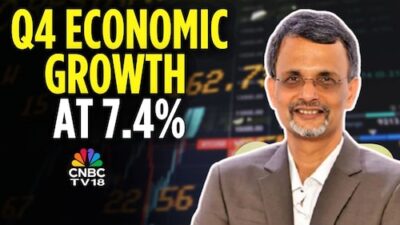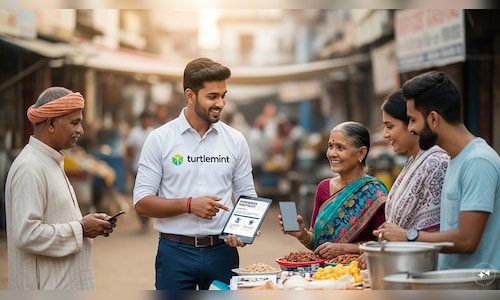
In an interview with CNBC-TV18, Dhirendra Mahyavanshi, Chairman, Managing Director, and Chief Executive Officer of Turtlemint, emphasized the company’s commitment to enhancing India’s insurance distribution framework, especially in underrepresented markets.
“Turtlemint operates as an insurtech platform connecting customers with insurance providers,” Mahyavanshi noted, mentioning that the company has integrated 44 insurers into its platform and has enabled the issuance of over 2 crore retail insurance policies.
The company has established a strong foothold in B30 markets, which Mahyavanshi referred to as a crucial growth engine for the insurance industry.
“Insurance penetration in India is still significantly low. B30 markets are experiencing growth at a rate approximately 60% faster than the top 30 cities, and we have developed our distribution network in these challenging markets,” he stated.
These insights come as insurers and distributors are increasingly focusing on areas beyond metropolitan hubs to foster growth, supported by growing digital adoption, heightened awareness, and regulatory initiatives to expand insurance access.
Regarding valuation expectations, Mahyavanshi recognized that there has been a recalibration of private market valuations since Turtlemint’s last fundraising round in 2022.
“Post our last fundraising, the market underwent a reset. We believe there is substantial value to be created for investors in the IPO and aspire to achieve sustainable growth,” he said.
**Like many venture-backed startups gearing up for public offerings, Turtlemint is striving to harmonize its growth objectives with profitability amid increasing scrutiny from investors on earnings quality and operating efficiency.**
On the topic of the company’s business model, Mahyavanshi explained that Turtlemint prioritizes training its distributor network through digital platforms before allowing them to interact with policyholders.
The company reported a service EBITDA margin of 11% in the first nine months of FY26. Mahyavanshi noted that technology investments are anticipated to remain generally stable as the company scales.
On profitability, he pointed out a consistent enhancement in operating leverage over the past few years.
“Adjusted EBITDA has seen improvement for the last two to three years. Operating costs as a percentage of revenue have decreased to 22% from 42%,” he indicated.
The drop in operating costs relative to revenue showcases the advantages of scale and growing productivity throughout the company’s distribution network, according to management.
While insurance continues to represent the majority of revenues, the company is also utilizing its Point-of-Sales Person (PoSP) network to distribute mutual funds and credit products.
Nevertheless, Mahyavanshi stressed that Turtlemint’s primary focus will remain on insurance distribution.
In discussing industry initiatives, he expressed support for the proposed Bima Sugam platform, describing it as a positive advancement toward the digitization of insurance distribution.
“Bima Sugam represents a beneficial step for Turtlemint. We have successfully developed an intent creation model and are advocates for Bima Sugam,” he stated.
Bima Sugam, often viewed as a digital public infrastructure initiative for insurance, aims to establish a centralized marketplace designed to simplify policy discovery, purchasing, and servicing for customers.
He also supported the ongoing distribution reforms led by the Insurance Regulatory and Development Authority of India, noting that efforts to enhance affordability and expand access would advance insurance penetration across the nation.
“Distribution reforms are progressing positively. An increase in volumes and adoption of insurance will ultimately be advantageous for us,” Mahyavanshi concluded.
Mahyavanshi believes that broader initiatives to enhance accessibility, affordability, and awareness of insurance products could greatly widen the industry’s addressable market in the coming years, creating growth prospects for both insurers and distribution platforms.