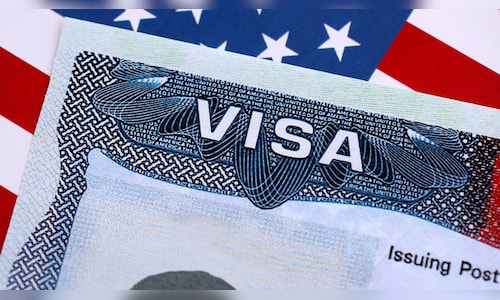
The Iranian ambassador to Mexico, Abolfazl Pasandideh, stated late Thursday that the team had not yet received their U.S. visas, but the White House official confirmed they were granted overnight. A spokesperson for Iran’s World Cup federation could not be reached for immediate comments.
Tehran arranged a last-minute relocation of the team’s base from Arizona to Tijuana, Mexico, due to visa complications and a growing sentiment in Iran to limit the squad’s visibility in the U.S. They are expected to arrive in Tijuana early Sunday morning.
Iran is set to play their first Group G match on June 15 against New Zealand in Los Angeles. They will also compete against Belgium before facing Egypt in Seattle. The ongoing conflict has transformed the World Cup, the largest global sporting event, into a geopolitical spectacle, with both nations seemingly leveraging the tournament for political signaling.
This is the first World Cup since its inception in 1930 where a host nation is prepared to welcome a country it is at war with. The U.S. has not officially stated that it aimed to prevent the Iran team from being on its territory, according to ambassador Pasandideh.
However, Secretary of State Marco Rubio informed lawmakers on Tuesday that the U.S. would not permit Iran to include individuals associated with the Islamic Revolutionary Guards in its World Cup delegation, a significant faction of the Iranian military.
This restriction could affect several players in the Iran squad who have fulfilled mandatory military duties with the group.
Mehdi Taj, president of Iran’s soccer federation, was denied entry for the tournament draw in Washington in December. Taj is a former commander in the Revolutionary Guards.
Iran’s intention to participate in the World Cup highlights its attempts to ease tensions with Washington, Pasandideh noted.
“Iran’s involvement in the World Cup — even on the territory of what is perceived as its adversary — demonstrates that Iran aspires for peace,” Pasandideh remarked, translating through a Spanish interpreter at the Iranian embassy in Mexico City.
Progress in peace negotiations between Iran and the U.S. has been gradual, with both sides appearing to approach an interim agreement while still conducting military actions.