
1 / 11
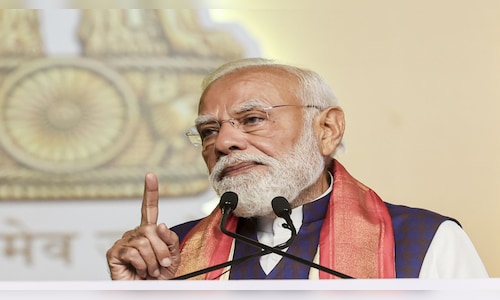
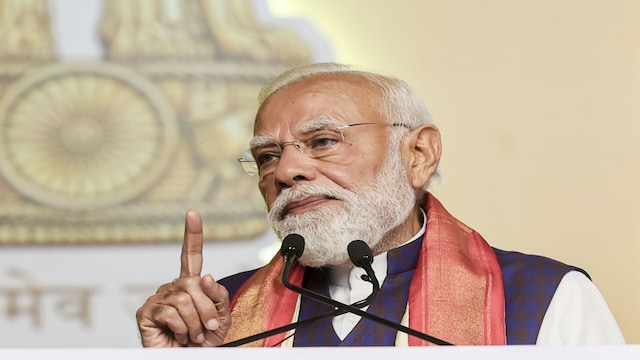
Prime Minister Narendra Modi’s seven-point appeal addressing fuel savings, reducing foreign exchange heavy expenditures, and fostering self-reliance has prompted responses from corporate executives, industry groups, and market analysts. Many are advocating for austerity measures, the transition to renewable energy, and decreased reliance on imports amidst the ongoing West Asia crisis. Here’s a summary of the reactions: (Image: PTI)
2 / 11
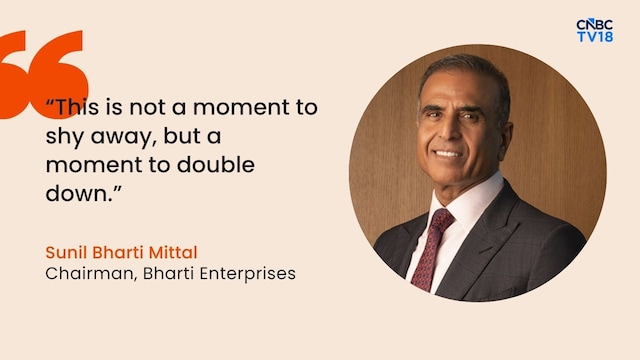
Sunil Bharti Mittal, Chairman of Bharti Enterprises | Mittal emphasized that the crisis in the Middle East is exerting pressure on global economies, making India equally vulnerable. He urged the industry to fulfill the Prime Minister’s vision by reducing oil dependency, adopting renewable energy, and controlling unnecessary foreign expenditure. Accordingly, Bharti Airtel aims to continue substantial investments in India, declaring it a time to strengthen commitments rather than retreat.
3 / 11
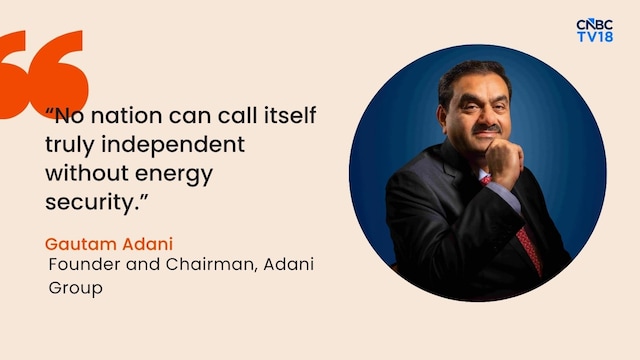
Gautam Adani, Founder and Chairman of Adani Group | Adani stated that no country can regard itself as truly independent without secure energy access. He referenced the 1973 oil embargo, noting it served not only as an energy shock but also a geopolitical caution for nations reliant on imports.
4 / 11
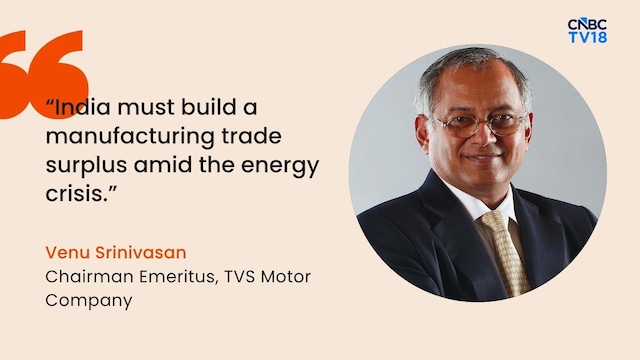
Venu Srinivasan, Chairman Emeritus of TVS Motor Company | Srinivasan asserted that India must produce high-quality products swiftly to remain competitive in global markets. He highlighted how the current crisis underscores the need for India to lessen its reliance on imported energy and strive toward a manufacturing trade surplus, urging companies to invest more in research, development, and quality enhancements.
5 / 11
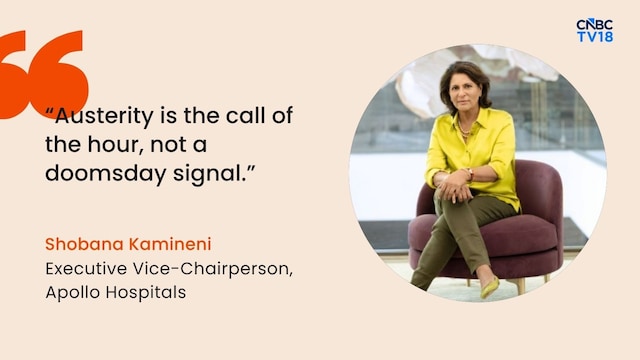
Shobana Kamineni, Executive Vice-Chairperson of Apollo Hospitals | Kamineni noted that “austerity is imperative at this juncture”, clarifying that the Prime Minister’s appeal should not be perceived as a harbinger of doom. She encouraged that India should continue its growth trajectory despite external pressures, emphasizing that individuals can cut unnecessary travel while still engaging in economic activities.
6 / 11
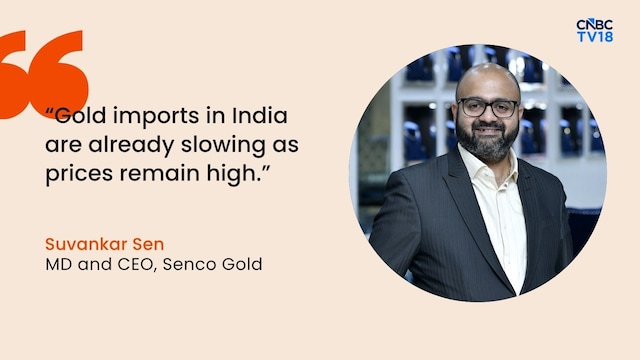
Suvankar Sen, MD and CEO of Senco Gold | Sen indicated that gold imports into India are already on the decline due to sustained high prices. He pointed out that historically, India imports around 700-800 tonnes of gold each year, with approximately 20-25% earmarked for exports. He suggested that the Prime Minister’s appeal could result in a 10-12% decrease in import volumes, mentioning that jewellers are already adapting product weights to keep gold within consumer reach.
7 / 11
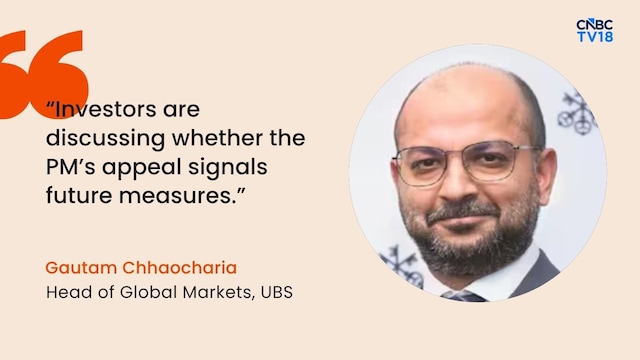
Gautam Chhaocharia, Head of Global Markets at UBS | Chhaocharia indicated that investors are contemplating whether the Prime Minister’s appeal might herald forthcoming policy initiatives, particularly with rising concerns regarding oil prices and external economic strains.
8 / 11
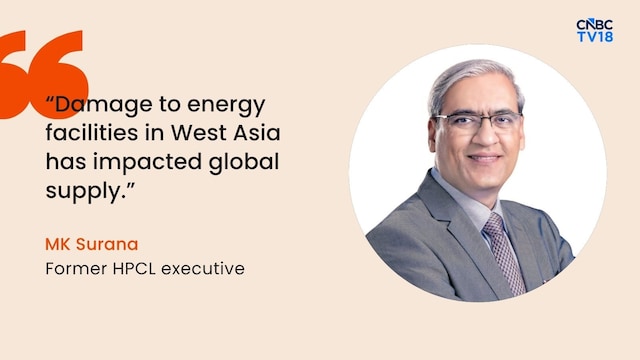
Experts in energy caution regarding fuel price pressures | Former HPCL executive MK Surana remarked that ongoing under-recoveries are burdening oil marketing firms and stated that damages to energy infrastructures in West Asia have disrupted supply chains. Energy specialist Raj Kumar Dubey mentioned that any adjustments to petrol and diesel prices will hinge on government fiscal policies and oil company financials, noting that numerous countries have already experienced steep fuel price increases.
9 / 11
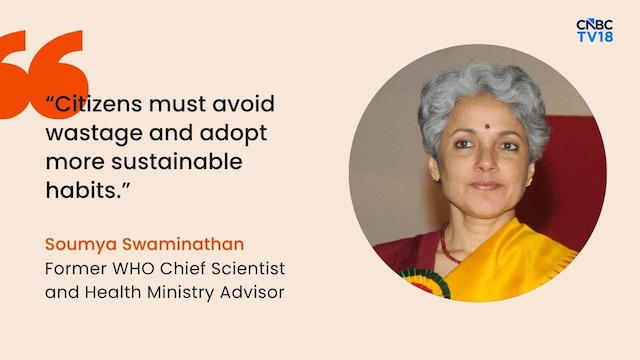
Soumya Swaminathan, former Chief Scientist at WHO and advisor to the Health Ministry | Swaminathan mentioned that the Prime Minister’s statements align with the government’s LiFE initiative and highlighted the importance of citizens minimizing waste and adopting more sustainable practices.
10 / 11
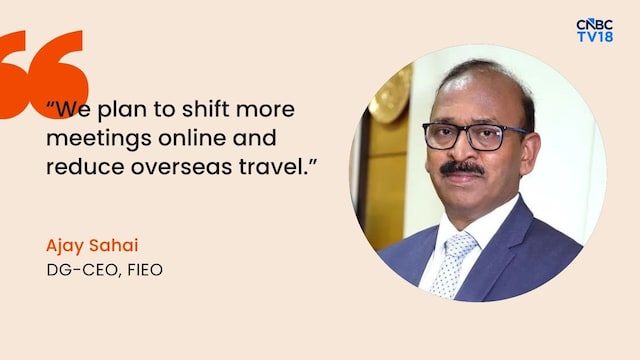
FIEO | Ajay Sahai, DG-CEO of the Federation of Indian Export Organisations, stated that the organization intends to obey the Prime Minister’s appeal by holding more meetings online, instituting alternate-day work-from-home practices, and minimizing foreign travel.
11 / 11
NITES | The Nascent Information Technology Employees Senate called on the Labour Ministry to recommend a work-from-home advisory for the IT and ITES sectors wherever appropriate. NITES argued that reducing employee commuting could aid in conserving fuel, alleviating traffic congestion, and supporting environmental ambitions while ensuring business continuity.