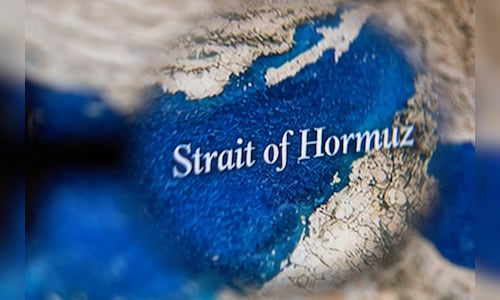
A spokesperson for the force issued a warning that any vessel breaching Iran’s regulations in the strait would be forcibly stopped, highlighting Tehran’s increasing dominance over this crucial global oil transit route.
This warning follows heightened tensions with the United States, particularly after President Donald Trump stated that Washington would assist stranded ships in navigating through the strait.
Iran’s military has retaliated, urging US forces to refrain from entering and maintaining that any secure passage must be coordinated with its armed forces.
Trump provided limited details regarding the initiative to support ships and their crews that have been “locked up” in the essential waterway for over two months, facing shortages of food and supplies since the conflict began.
In a statement on Truth Social, Trump remarked, “We have informed these Nations that we will guide their Ships safely out of these restricted Waterways, allowing them to continue their operations.”
US Central Command announced it would back this effort with 15,000 military personnel, more than 100 land and sea-based aircraft, as well as warships and drones.
The unified command of Iran’s armed forces retaliated by cautioning US forces to avoid the strait, stating they would “respond harshly” to any provocations.
“We have consistently asserted that the security of the Strait of Hormuz is our responsibility and that the safe passage of vessels requires coordination with the armed forces,” Ali Abdollahi, the head of the forces’ unified command, said in a statement.
“We warn that any foreign armed forces, particularly the aggressive US army, will face attacks if they attempt to approach and enter the Strait of Hormuz.”
The situation has resulted in hundreds of ships and thousands of seafarers being stranded, while incidents of vessels being fired upon and captured have raised security alarms.
As both sides solidify their stances, the Strait — an essential route for global energy transportation — has become a critical flashpoint in the wider conflict, intensifying volatility in oil markets and increasing risks to international shipping.