

 1 / 11
Chinese regulators have suspended the $2.5 billion deal between Meta and the AI startup Manus, transforming what was anticipated to be a standard technology transaction into a significant regulatory issue. Here’s a breakdown of the events and their implications.
 2 / 11
The deal attracted international interest: In December 2025, Meta’s agreement to acquire Manus progressed rapidly, finalizing in approximately two weeks. This acquisition was considered a notable high-value exit for a Chinese-founded AI venture, especially amid escalating US-China technology restrictions. (Image: Canva)
 3 / 11
Manus quickly established a presence in the AI field: The company became well-known for creating general-purpose AI agents capable of performing multi-step tasks, including research, coding, and analysis, with minimal human assistance. Its product launch in March 2025 generated significant interest. (Image: Canva)
 4 / 11
Initial excitement followed by scrutiny: The company experienced a surge in demand, leading to over a million users on the waitlist and reports of invite codes being sold for as much as $15,000. However, questions emerged regarding the authenticity of Manus’s technology and its reliance on models from companies like Anthropic and Alibaba.
 5 / 11
Strategic relocation to Singapore: By mid-2025, Manus decided to move its headquarters to Singapore, ceasing operations in mainland China. This transition allowed the company to seek international capital and utilize US-developed AI tools while facing fewer barriers. (Image: Canva)
 6 / 11
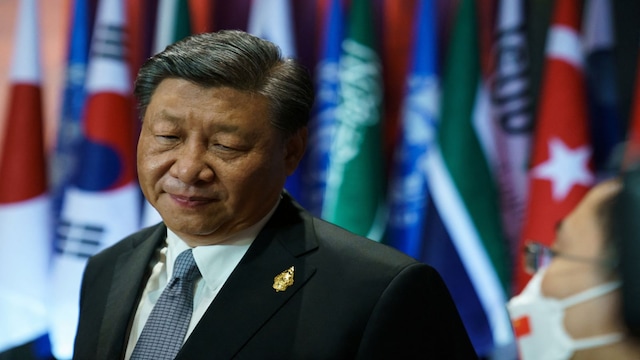
China’s perspective shifted following the Meta acquisition announcement: After the deal’s revelation, the sentiment among Chinese leadership, including the National Security Commission led by Xi Jinping, indicated that the deal could jeopardize the nation’s technological infrastructure.
 7 / 11
In-depth reviews and travel limitations were initiated: Various government agencies began an examination involving export controls, foreign investment regulations, and competition laws. Manus’ founders faced questioning and were reportedly restricted from leaving China during the ongoing investigation. (Image: Reuters)
 8 / 11
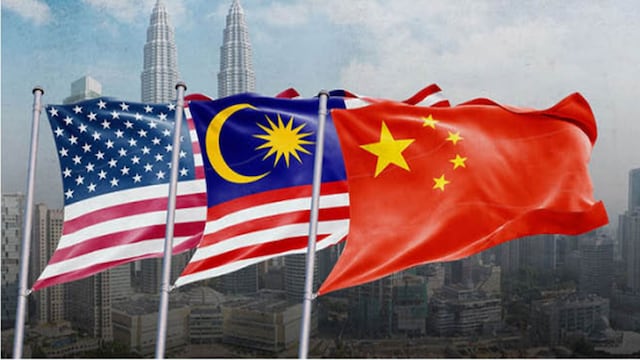
What makes this deal notable: While Chinese companies typically pursue international expansion, this particular case raised alarms due to its timeline: originating in China, relocating overseas, and swiftly selling to a US entity, signaling a potential method for technology transfer outside of China.
 9 / 11
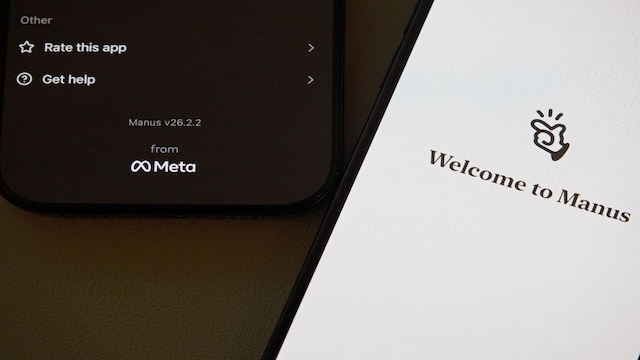
Next steps: China is urging both firms to terminate the deal within the upcoming weeks, necessitating the return of Chinese assets and the elimination of any transferred data. Noncompliance may result in penalties. (Image: Reuters)
 10 / 11
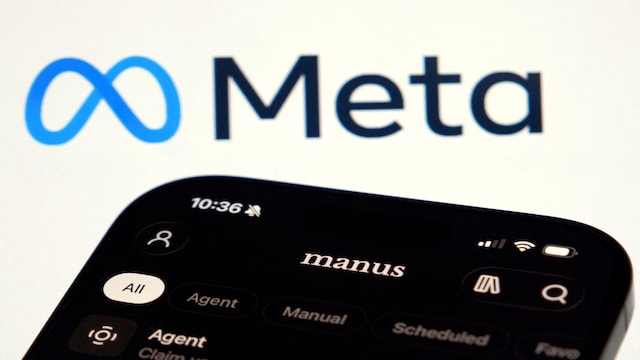
China’s legal foundation for intervention: While Manus has relocated, its origins in a Beijing entity keep it under China’s regulatory authority. According to Chinese legislation, cross-border transactions involving domestic companies are subject to review when they pose national security threats. (Image: Canva)
 11 / 11
Navigating a complex situation: The circumstances are intricate, as many elements of the agreement have already been put into action. Meta has begun to embed Manus into its infrastructure, leadership and staff have transitioned to its AI branch, and investors have been compensated. Reversing this deal could significantly impact business operations. (Image: Reuters)