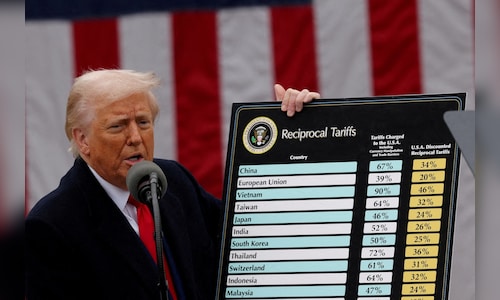
The refunds result from a ruling made by the US Supreme Court on 20 February 2026, which declared President Donald Trump’s tariffs illegal as they were imposed under the International Emergency Economic Powers Act (IEEPA) without appropriate legal authority.
The total amount for refunds from the tariffs, imposed starting 2 April 2025, is estimated to be around $166 billion, with approximately $12 billion associated with goods originating from India.
To claim refunds, US importers are required to submit detailed claims that include shipment data, tariff lines, and proof of payment. Only those who have actually paid the tariffs—primarily US importers and companies—are eligible to seek refunds.
Ajay Srivastava, Founder of the Global Trade Research Institute (GTRI), has indicated that approved claims, along with interest, are anticipated to be processed within 60–90 days.
With 53% of India’s exports to the US, particularly textiles and apparel, facing elevated tariffs, GTRI projects that textiles and apparel may represent around $4 billion, engineering goods another $4 billion, and chemicals about $2 billion.
Indian exporters will not receive refunds automatically, as disbursements will be made solely to US importers, leaving exporters without legal grounds to claim them. Any potential recovery will hinge on commercial negotiations.
Also read: India sends first trade team to US after tariff ruling, says it stands by deal despite changed circumstances
GTRI has encouraged Indian exporters to actively engage with US buyers to pursue a share of the refunded duties, particularly if earlier prices included tariff costs, especially when contracts were set on a duty-paid basis.
These initiatives may involve renegotiating contracts, incorporating rebate-sharing provisions, requesting price adjustments, or issuing credit notes, as well as utilizing invoices and tariff data to show how costs were absorbed.