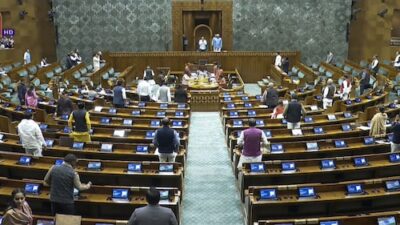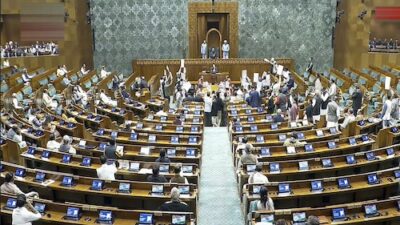
According to the draft bill, the number of Lok Sabha seats might be augmented to 850 from the current 543 to accommodate the women’s quota, following a delimitation process based on the latest census data. The draft also outlines an increase in the number of seats in state assemblies and Union Territories to ensure 33% reservation for women.
What is the controversy surrounding the delimitation bill?
The Women’s Reservation Bill, passed in 2023, is back in the limelight due to the delimitation bill. The implementation of the Women’s Reservation Bill was paused until delimitation based on the 2026 census.
The Centre has presented a legislative package that includes three laws and four significant modifications.Change 1: The proposed increase of Lok Sabha seats from 543 to 850.
Change 2: The removal of the constitutional requirement under Article 82, which mandates that delimitation must rely on the 2026 census. This requirement is to be eliminated.
Change 3: The assertion that Parliament should determine which census to adopt—2026 or 2011.
Change 4: Following this delimitation, the Women’s Reservation Bill will be enforced.
A delimitation commission, led by a retired Supreme Court judge, will be established to oversee the reconfiguration and redistribution of seats in both the Lok Sabha and state Assemblies.
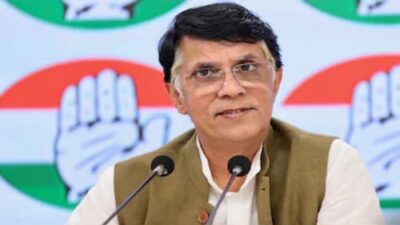
Congress MP Rahul Gandhi, the Leader of Opposition in the Lok Sabha, has claimed that the proposed bills undermine constitutional protections on delimitation and confer unchecked authority to a Delimitation Commission appointed by the government. “Delimitation should be based on a transparent policy framework, developed after extensive consultations with consensus. All Indians, regardless of community or state, should feel assured of representation and that their voices will be acknowledged,” he stated.
The key issue revolves around the census. Many experts caution that reliance on the 2011 census would disproportionately benefit northern states, which have experienced higher population growth over the past 50 years, potentially leading to enhanced representation for them at the expense of southern states.
While the government reassures that southern states need not be alarmed, the opposition argues that the bill’s language does not provide the necessary comfort.
Union Home Minister Amit Shah referenced these figures in Parliament, although they are absent from the Bill.
| S.no. | State | Current seats | Current % of 543 seats | 50% increase (approx) | New status (% of 816) |
| 1 | Karnataka | 28 | 5.15 | 42 | 5.14 |
| 2 | Andhra Pradesh | 25 | 4.6 | 38 | 4.65 |
| 3 | Telangana | 17 | 3.13 | 26 | 3.18 |
| 4 | Tamil Nadu | 39 | 7.18 | 59 | 7.23 |
| 5 | Kerala | 20 | 3.68 | 30 | 3.67 |
| Total | 129 | 23.76 | 195 | 23.87 |