The US-based think tank reports that since the onset of hostilities, Beijing has shipped multiple consignments of “missile fuel precursors” to Iran. Intelligence evaluations and shipping records suggest that Iranian vessels have been collecting crucial chemical components, including sodium perchlorate, directly from Chinese ports.
NEW: China is assisting Iran in rebuilding the Iranian missile program while US-Israeli efforts seek to weaken it. Western media revealed that China has sent several shipments of missile fuel precursors to Iran since the war began. (1/2)
Iran has been excavating underground… pic.twitter.com/CSuErq8c7O
— Institute for the Study of War (@TheStudyofWar) April 4, 2026
Analysts caution that this assistance could significantly enhance Iran’s missile manufacturing capabilities, potentially “adding hundreds more to its arsenal.” While it does not constitute direct military involvement, experts label it as “proxy support”—furnishing dual-use materials that enable Iran to sustain a prolonged conflict without China overtly entering the battlefield.
As per an Atlantic Council report, Chinese dual-use exports to Iran surged in January 2024, following the establishment of a formalized strategic partnership focused on defense and security collaboration.
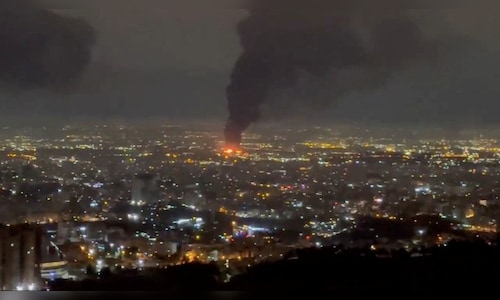
Despite frequent precision strikes from US and Israeli forces, Tehran has demonstrated a “relentless commitment to its underground infrastructure.” A New York Times report highlighted that US intelligence assessments reveal Iranian engineers are “excavating silos and bunkers almost immediately after they are targeted.” In certain cases, these facilities have resumed operations within hours of being struck.
In addition to raw materials, Beijing’s technological support is proving vital. China is providing Iran with access to its BeiDou Navigation Satellite System, enabling Iranian missiles to circumvent Western-controlled GPS, the Atlantic Council report noted. Utilizing BeiDou, Iran has “significantly strengthened the precision of strikes against high-value targets across the Gulf region,” enhancing the missile threat considerably.
Strategically, China seems to be positioning itself away from regional turmoil. Despite its dependence on Gulf oil, Beijing appears to have an advantage over the US in the Strait of Hormuz dynamics. An analysis by the Peterson Institute for International Economics asserts that while Beijing requires the waterway to remain open, it seeks to achieve this “on its own terms.”
By negotiating direct deals with Tehran to ensure secure passage for Chinese ships and paying for Iranian crude in renminbi via the CIPS payment system, Beijing protects its energy supplies while effectively diminishing Washington’s influence.