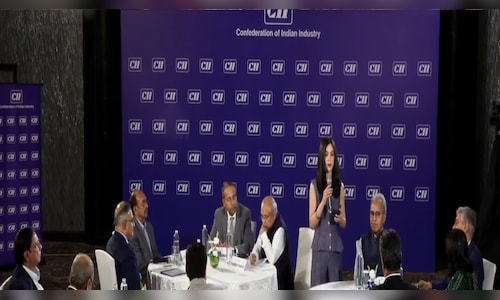
With oil prices surging beyond $100 per barrel amidst ongoing geopolitical tensions and uncertainties surrounding Iran, industry leaders have raised alarms about increasing threats to growth, inflation, and trade balances, as policymakers deliberate their strategies.
Banerjee underscored that the industry’s requirements are shifting but stressed that any support measures should not burden government finances. “A significant measure is one that does not add pressure on the fiscal budget—for example, a moratorium for small and mid-sized enterprises facing difficulties,” he articulated, noting that diversifying supply chains through government collaborations and partnerships in transitional sectors like ethanol blending is also vital.
He also urged for more prompt and precise trade actions. “Implementing trade measures such as anti-dumping should be expedited where necessary, while in certain industries, we might need to permit imports. This requires meticulous calibration,” Banerjee commented, highlighting the importance of dynamically managing Quality Control Orders to bolster domestic industries.

As the energy crisis unfolds, industry leaders have noted the sudden and disruptive nature of the shift. Vinayak Chatterjee, Founder & Managing Trustee at The Infravision Foundation, described this rapid macroeconomic transition, stating, “We have moved from what I term the ‘Goldilocks moment’ of low inflation and robust growth to what I describe as the ‘Red Riding Hood moment’ in merely 45 days.”
Chatterjee detailed a range of responses that are emerging from discussions between industry and government, including initiatives to transition from LPG to PNG and electric cooking, scenario planning for oil prices at $100, $150, and even $200 per barrel, alongside renewed focus on upstream oil and gas exploration. He noted that weekly fuel supply schedules from the government would enhance planning for companies. Additionally, he indicated that allowing flexibility in corporate social responsibility spending could assist firms in supporting vulnerable workers affected by inflation.
Stress is already evident within parts of the logistics ecosystem. Akshay Gulati, Co-Founder of Shiprocket, reported that exporters—particularly small and medium enterprises—are encountering significant cost increases. “Air freight costs have surged by 30-70%, depending on the day of shipment,” he remarked, labeling the scenario as a “double whammy” due to rising input costs and fuel disruptions.
He observed that while domestic logistics are relatively stable, with only slight cost escalations and minor delays, international shipments have been severely impacted. “With air freight costs surged by 30–40%, many exports are currently on hold. Inventory is accumulating, awaiting shipment,” Gulati noted.
Banerjee added that liquidity challenges are worsening for smaller businesses, emphasizing the urgent demand for quicker payments throughout supply chains. “MSMEs are clearly struggling with cash flow, making timely payments from larger industries to smaller ones crucial,” he asserted, pointing out the tightening working capital constraints.
In agriculture, Ajay S. Shriram, Chairman and Senior Managing Director of DCM Shriram Limited, expressed concerns about fertiliser availability due to disruptions in global gas supplies. However, he offered a cautiously optimistic outlook for the near term. “I anticipate no shortage of urea during the kharif season,” Shriram stated, citing existing inventories of around 6 million tonnes alongside steady domestic production, though he warned that the long-term outlook remains uncertain if the conflict continues.
Conversely, the crisis presents opportunities in certain sectors. Puneet Kaura, Managing Director and CEO of Samtel Avionics Ltd, posited that the circumstances could expedite India’s quest for self-reliance in defense manufacturing. He highlighted the necessity of enhancing the ecosystem beyond major manufacturers. “We must contemplate whether we are sufficiently focused on Atmanirbharta—creating opportunities not only for final OEMs but also for tier-one and tier-two suppliers,” Kaura emphasized, adding that the current disruptions could be harnessed to foster globally competitive capabilities.
As the West Asia conflict perpetuates market volatility and sustained energy prices, India Inc’s message is unequivocal: targeted relief, accelerated policy execution, and a coordinated transition strategy are imperative for navigating the ongoing crisis while maintaining growth momentum.
Also Read | Supply chain, logistics stress builds as West Asia tensions rise: Rajiv Memani
Below is the excerpt of the discussion.
Q: We have seen diversification in crude sourcing, and crude itself is not the biggest issue right now—it is LPG. But Chandrajit Banerjee, what are the key measures you are asking of the government?
Banerjee: From the government side, the demands will evolve continually. A primary measure is one that does not burden the fiscal budget—for instance, a moratorium for small and mid-sized enterprises facing challenges. Furthermore, partnerships in transitional areas such as ethanol blending and supply chain diversification through government discussions are also essential.
This isn’t just about today—we must also consider tomorrow. Another crucial area involves trade measures like anti-dumping, which need to be rapidly enacted where necessary, while in certain sectors we may have to permit imports. This requires meticulous calibration. Quality Control Orders also hold significance, and we must navigate them dynamically to bolster Indian businesses.
Q: Vinayak, what are your major takeaways from these discussions with the government?
Chatterjee: A glaring realization is the swift transition we’ve experienced—from what I term the “Goldilocks moment” of low inflation and robust growth to what I call the “Red Riding Hood moment” in just 45 days.
Regarding energy, I have four pivotal takeaways. First, an urgent shift towards transitioning from LPG to PNG and electric cooking. Second, the necessity for scenario planning—oil priced at $100, $150, and $200—with contingency preparations. Third, a renewed emphasis on upstream oil and gas exploration. Fourth, the petroleum secretary has consented to provide weekly schedules, granting the industry seven-day visibility for planning.
An additional point: while industries have numerous requests, we must also contribute. One initiative discussed was the flexibility in CSR spending. Currently, CSR entails 2% of profits after tax, but if flexibility is granted, industries could provide direct support to vulnerable groups—contract, gig, and daily wage workers—who may be adversely affected by inflation and livelihood challenges.
Q: Let me come to you, Akshay. From Shiprocket’s perspective, what is the current state of the logistics supply chain? Where are you experiencing the most challenges? How are costs affected?
Gulati: From a logistics standpoint, the government has effectively calibrated petrol and diesel prices, thus we are not encountering excessive increases on the domestic front. However, on the international air freight side, exporters, particularly small and medium businesses, are facing a dual challenge. Air freight costs have increased by 30-70%, dependent on which day you wish to ship. You might send a shipment on Friday, and by Monday, your costs could surge by 40%.
For small and medium businesses, this situation is exceedingly daunting. It’s indeed a double whammy—escalating input costs coupled with LPG availability issues for many industries, particularly in dyeing sectors. Some plants are currently shut down. Thus, air freight exports present a critical concern.
Domestically, we’re not witnessing a significant impact—perhaps a 1-2% cost increase that SMBs can absorb. However, with air freight costs at 30-40%, numerous exports are stalled, and inventories are rising, awaiting shipment.
From a domestic logistics viewpoint, supply chains are operating efficiently. So far, we’ve seen a 1-2% increase in costs along with less than a 24-hour delay.
Q: CB, do you wish to elaborate on that?
Banerjee: Yes. One point raised is about what the industry can do. MSMEs are undoubtedly facing cash flow challenges, making timely payments from larger industries to smaller ones imperative. This is something we are strongly advocating for. Additionally, working capital is tightening, and we are considering how to approach moratoriums with the government.
Q: Mr. Shriram, agriculture is another sector impacted by rising fertiliser prices and supply chain disruptions. What could be the potential effects?
Shriram: Fertiliser availability is a significant concern since it is essential to the agricultural sector in India. Due to the situation in the Middle East and the Iranian conflict, urea production has notably declined as a result of insufficient natural gas.
Fortunately, we had sufficient opening stock prior to the kharif season. Currently, we possess nearly 6 million tonnes of stock. The industry is operating at 80-85%. By May, we will have adequate supplies. I foresee no urea shortages during the kharif season.
The long-term outlook remains uncertain as we cannot predict the duration of the conflict. However, the government’s proactive sourcing strategies are encouraging signs.
Q: Puneet, while there are unfortunate challenges, one sector that appears to gain from current circumstances is defence. What is your perspective?
Kaura: I have a somewhat different viewpoint. We should assess whether we are sufficiently focused on Atmanirbharta—creating opportunities not just for final OEMs, but also for tier-one and tier-two suppliers.
We need to revert to fostering an ecosystem driven by innovation. This presents a window to convert crisis into real opportunity. India stands at a juncture where we can export technologies worldwide. Should we fail to seize this moment, we might miss our broader objectives.