Winter travel in Europe thrives as cities offer transport and cultural experiences that cater to shorter days. This report outlines the travel appeal of Prague, Vienna, Copenhagen, Barcelona, and Reykjavik, even in the colder months.
3 Min Read

 1 / 6
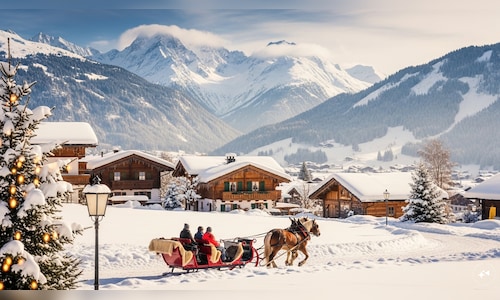
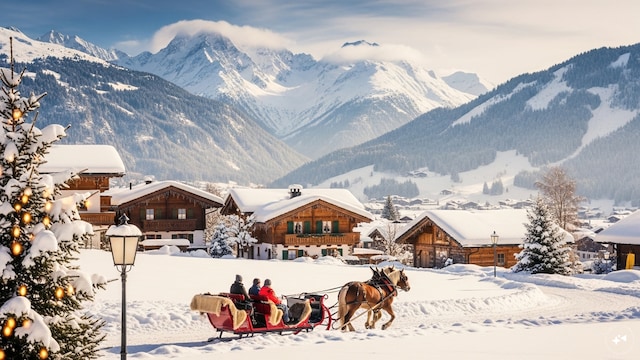
1 / 6Winter City Guide: Traveling in Europe during winter offers fewer crowds, seasonal transport deals, and weather characterized by chilly rain or snow. Cities enhance their appeal through reliable museums, effective transit, and engaging indoor events. Various festivals, markets, and light displays boost tourism. Though short days alter schedules, they don’t hinder access. This overview features five cities where winter conditions still facilitate enjoyable visits, cultural experiences, and significant value for travelers globally.(Generated image)
 2 / 6
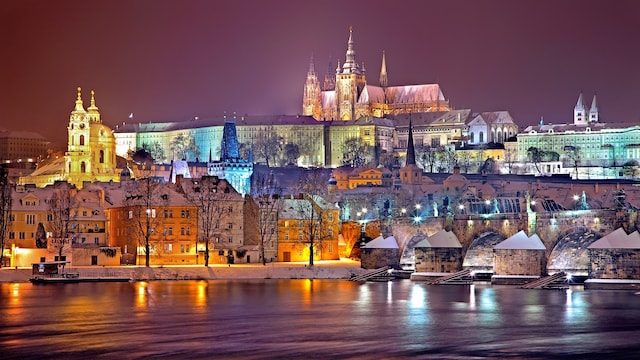
2 / 6Prague Winter: During winter, Prague remains accessible thanks to its compact layout and frequent public transport options. Snow minimally affects the streets. Historic attractions operate throughout the year. Popular sites such as castle complexes and old town squares maintain steady visitor numbers. Seasonal concerts are still held. Typically, accommodation prices dip after the holiday season. Sightseeing during daylight hours fits well within the limited sunlight. Rail services connect to neighboring countries without operational interruptions from central stations throughout winter months. (Source: Pixabay)
 3 / 6
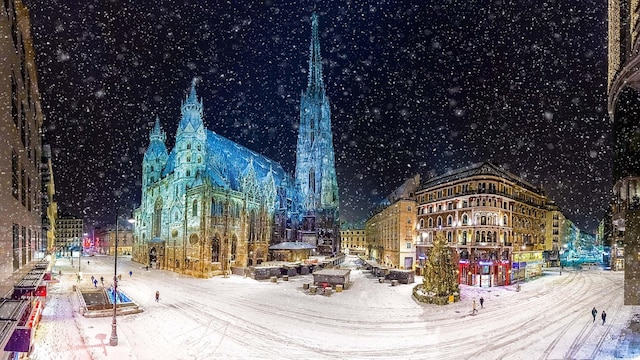
3 / 6Vienna Access: Vienna sustains its winter tourism with reliable public transport and vibrant indoor culture. Venues such as opera houses, museums, and palaces adhere to regular schedules. Christmas markets typically close by January. Cafes remain open every day. Snow rarely disrupts services. Hotel prices become more affordable in the middle of the season. The city enhances walking routes with adequate lighting and snow clearance. International train services function as usual across borders, connecting Austria to regional hubs during the winter travel demand period. (Source: Pixabay)
 4 / 6
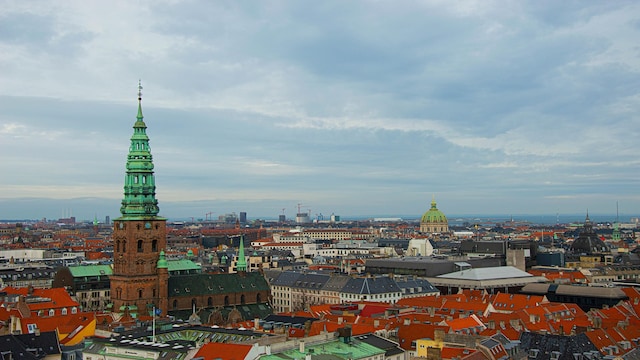
4 / 6Copenhagen Winter: Copenhagen operates smoothly in winter, as the city’s infrastructure accommodates the cold and darkness. The metro and buses operate frequently. Cycling decreases during this period. Museums, design centers, and restaurants stay open, while harbor areas remain accessible. Winter events are primarily held indoors. Prices tend to lessen after December, offering travelers the benefit of short distances across districts. Flights generally experience minimal disruptions despite seasonal weather affecting daylight hours. (Source: Pixabay)
 5 / 6
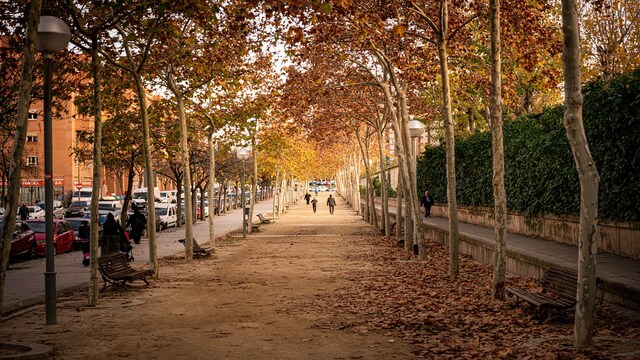
5 / 6Barcelona Winter: Barcelona experiences milder winter weather compared to northern cities, allowing for outdoor activities. Public transport remains fully operational, and major attractions maintain their hours. Beaches are tranquil, while museums and markets continue to attract visitors. Hotel availability typically drops after the holiday season, and dining areas remain lively. Low rainfall enhances reliability. International flights from the airport continue without interruption during winter, facilitating steady tourism from Europe and beyond. (Source: Pixabay)
 6 / 6
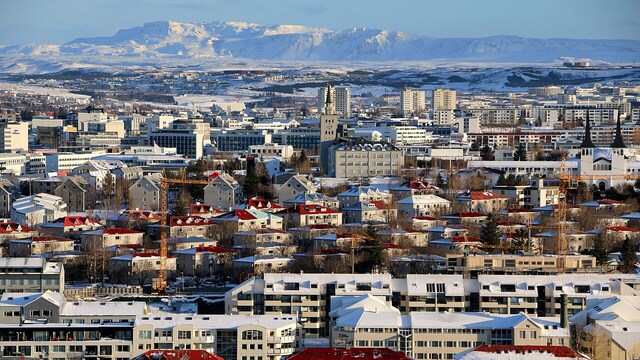
6 / 6Reykjavik Winter: Reykjavik caters to winter travelers seeking both natural beauty and urban advantages. The city utilizes geothermal energy for heating. Roads remain well-maintained, with tours available depending on the weather. Museums and thermal pools stay operational. Short daylight hours influence plans. Air travel connections facilitate tourist influx. Lodging capabilities meet visitor demands. Northern lights viewing typically occurs outside the city and requires organized transport, depending on weather forecasts and scheduled tours. (Source: Wikimedia Commons)