NASA Tests Heat Shield Materials on Cargo Mission Return
1 min read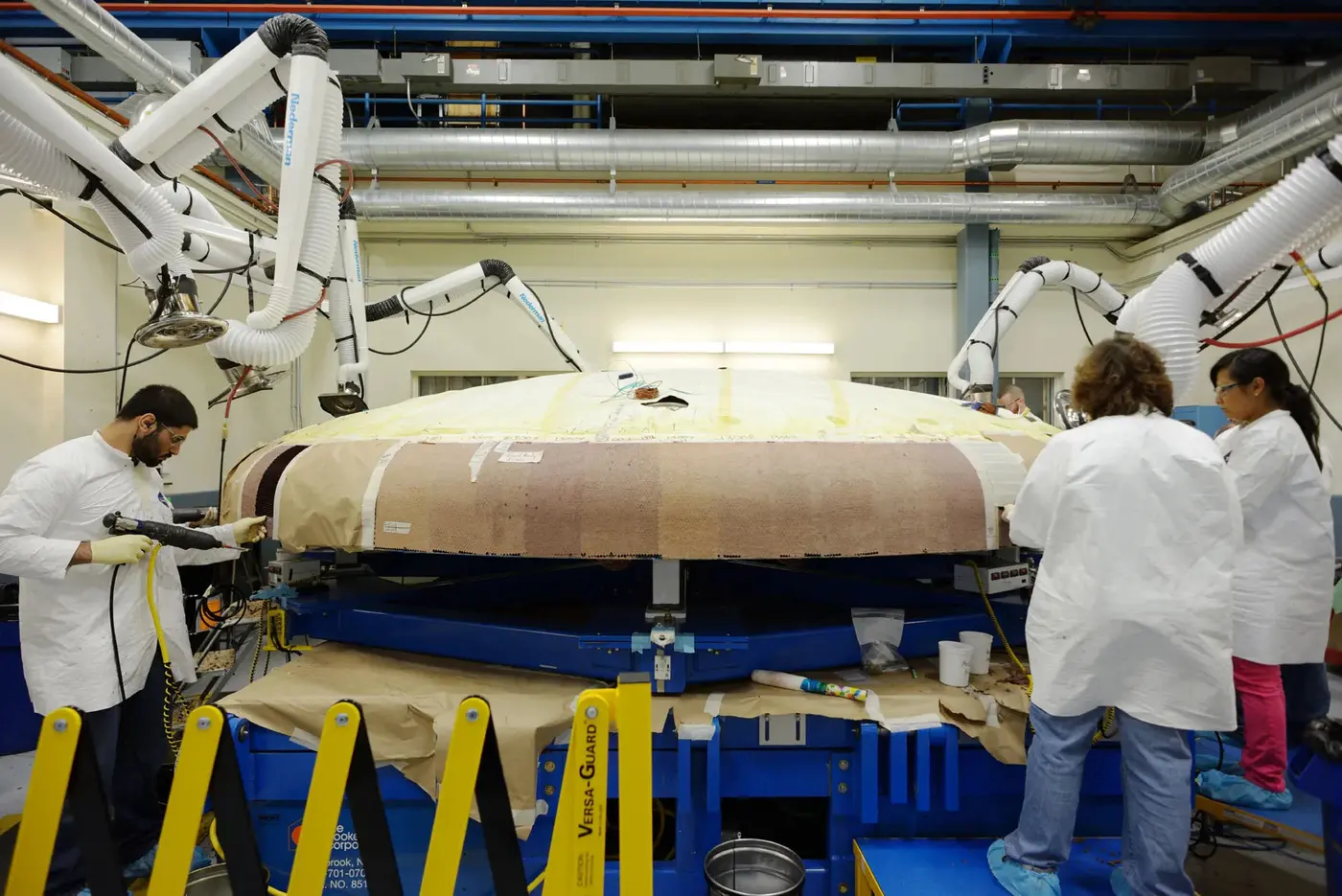
NASA tested heat shield materials by carrying 12 experimental capsules on the Northrop Grumman 24th cargo resupply mission to the International Space Station. The capsules were packed inside the Cygnus XL spacecraft with waste before it undocked from the station.
The experiment, called KREPE-3 (Kentucky Reentry Probe Experiment-3), was designed by University of Kentucky students in collaboration with NASA’s EPSCoR program, several NASA centers, and federal and commercial partners.
As the spacecraft broke apart in Earth’s atmosphere on its planned route, the capsules ejected and began collecting data on thermal protection materials. Satellite signals transferred live data to researchers.
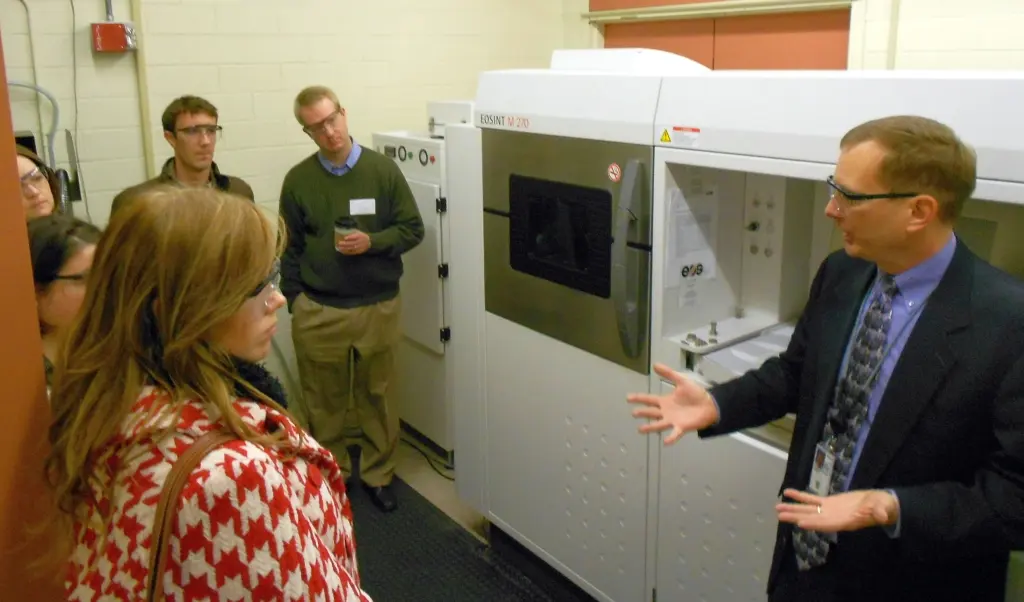
The capsules tested materials including ceramic tile used on the space shuttle, 3D-printed heat shields from NASA Johnson and Oak Ridge National Laboratory, and MERINO coverings made from carbon and phenolic fibers stitched together like felt.
One capsule tested a Phenolic Impregnated Carbon Ablator designed for NASA’s Dragonfly mission to Titan. Another tested an umbrella-shaped deployable heat shield called Adaptable Deployable Entry and Placement Technology.
David Berger, EPSCoR program manager at NASA Headquarters in Washington, said the experiment supported the next generation of scientists and engineers developing projects that benefit NASA’s mission goals.
Keith Peterson, a materials engineer at NASA Ames in California, said the approach provided flight data on materials still in development by hitching a ride on a vehicle already returning to Earth.