NASA advances Artemis plans for 2028 Moon landing
2 min readNASA said on Oct. 23 that it plans to return Americans to the lunar surface in 2028 with the Artemis IV mission. The agency is advancing the Artemis III test flight to 2027 and the Artemis IV Moon landing mission to 2028.
Four astronauts will fly aboard Orion on a planned 14-day mission in Earth orbit during Artemis III. The mission will test rendezvous, docking and operations between Orion and lunar lander test vehicles from SpaceX and Blue Origin.
NASA said Blue Origin will launch a Blue Moon lander test article into Earth orbit before SLS launches Orion and its crew. Orion will dock with the Blue Moon lander test article. SpaceX will then launch a Version 3 Starship lander test article, and Orion will undock from Blue Moon and dock with Starship.
NASA said Artemis III hardware is on track and processing timelines have been reduced by about half. The agency redesigned, built and tested a critical fuel-line component in-house in five months at roughly a tenth of the cost of an earlier outside-vendor estimate. Artemis program manager Jeremy Parsons said the work reflects NASA rebuilding core competencies.
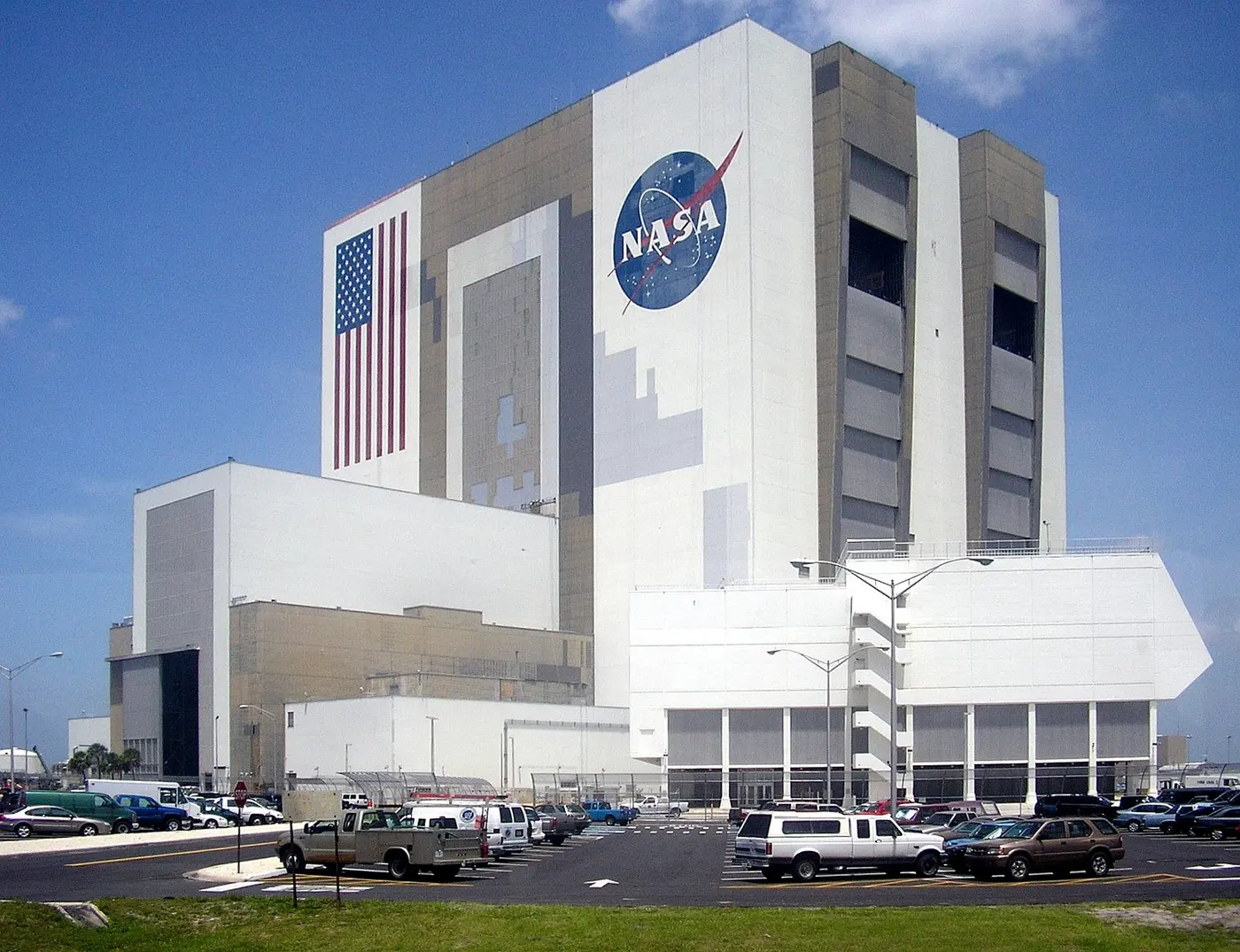
For Artemis IV, astronauts will launch aboard Orion on the SLS rocket from NASA’s Kennedy Space Center in Florida. NASA is working with SpaceX and Blue Origin on lunar landers. SpaceX’s Starship will refuel in Earth orbit and rendezvous with Orion. Blue Origin will use transfer stages in Earth orbit to push its Blue Moon Mark 2 lander toward the Moon. Both companies are targeting a crewed lunar landing in 2028.
NASA is pursuing two upper-stage options for the SLS rocket, including its current interim cryogenic propulsion stage and a stretched version of ULA’s Centaur V. The agency also announced plans with Axiom Space for a second, lighter suit design called the Sortie suit to enable the first moonwalks. NASA said Artemis astronauts will undertake increasingly difficult missions at the lunar South Pole as the agency works toward an enduring human presence on the lunar surface.