NASA accelerates 2028 Moon landing plans with Blue Origin and SpaceX
1 min readNASA said Blue Origin and SpaceX are developing commercial human landing systems for crewed Moon missions under an accelerated architecture aimed at returning American astronauts to the lunar surface in 2028. The agency said the first provider will be selected based on lander readiness, with a second crewed landing opportunity to follow.
Under the changes, Artemis III will demonstrate rendezvous and docking between test versions of the two providers’ landers and NASA’s Orion spacecraft in low Earth orbit next year. Both companies will participate in Artemis III, and neither has been assigned to a specific Artemis lunar landing mission.
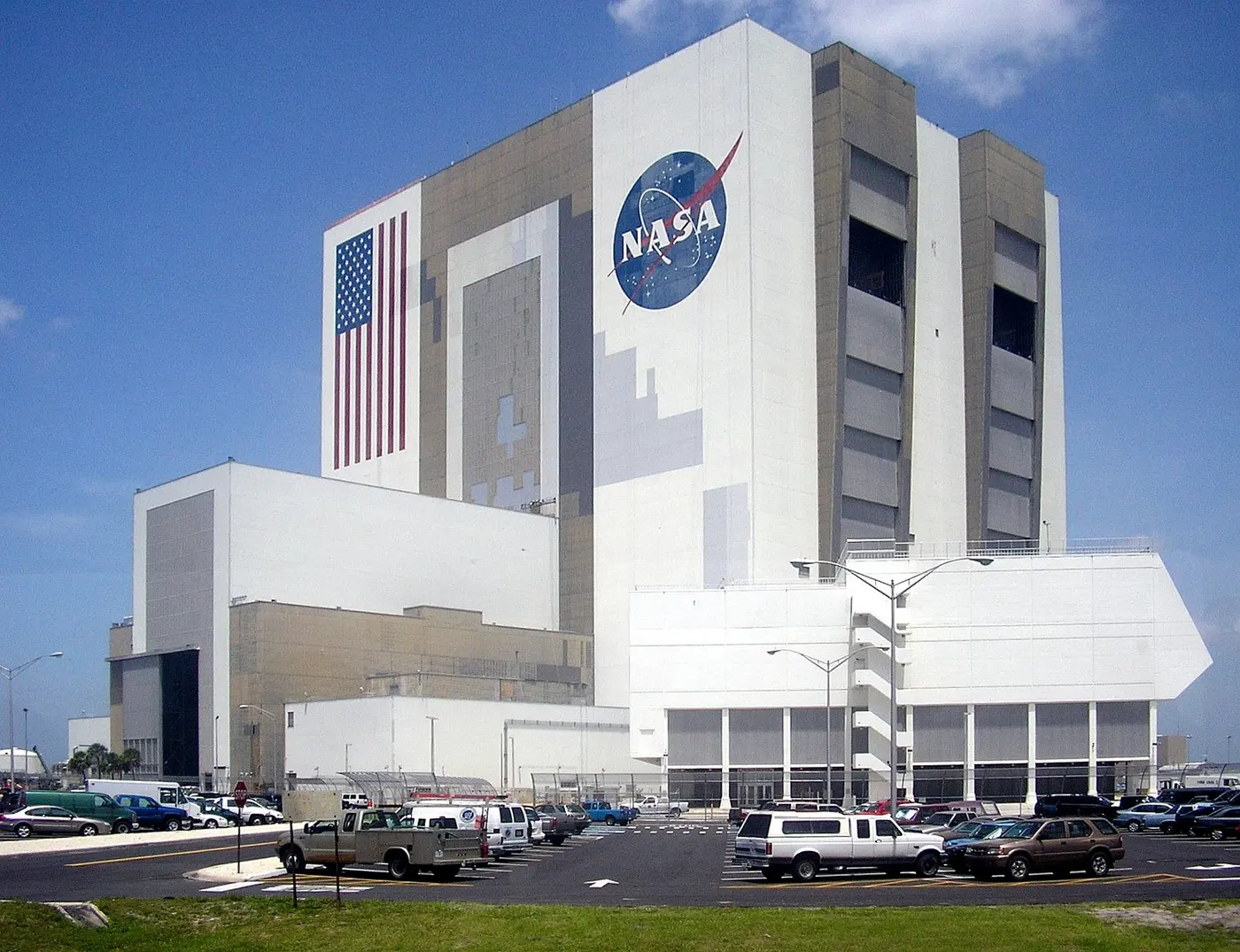
For initial crewed missions, astronauts will launch in Orion on top of the SLS rocket from NASA’s Kennedy Space Center in Florida. A commercial human landing system will link up with Orion before taking two crew members to the lunar surface while two remain aboard Orion.
Both companies must perform an uncrewed demonstration with their crewed landers before near-term Artemis crewed missions. NASA will certify the lander systems before those missions. SpaceX will demonstrate propellant aggregation during its demonstration mission.
SpaceX said Starship HLS will await Orion and its crew in Earth orbit. The lander and Orion will rendezvous and dock before Starship performs a trans-lunar injection burn for low lunar orbit. Blue Origin will use three transfer stages to send its Blue Moon Mark 2 Alpha Lander toward the Moon.
NASA is targeting two, approximately two-hour long lunar surface Moonwalks during initial surface missions. Astronauts will collect lunar samples and test the spacesuit provided by Axiom Space. NASA said it updated the companies’ contracts earlier this year to align requirements with the accelerated mission architecture.